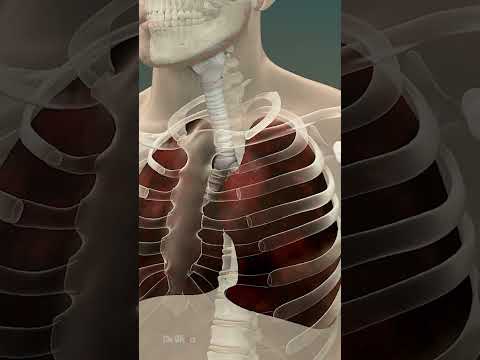
Pleurodynia might sound like a mouthful, but it’s basically a fancy term for chest pain caused by inflammation of the pleura, which is the lining around your lungs. Imagine your lungs are two balloons nestled in a pair of soft bags. When these bags become inflamed, you can feel sharp pain when you breathe or move.
Understanding pleurodynia can be fascinating and illuminating. It often strikes suddenly and can leave you feeling anxious about what’s happening to your body. While it may be linked with infections like the Coxsackie virus, its symptoms could also stem from other causes. This makes recognizing the signs crucial for seeking the right treatment.
Key Facts about pleurodynia include its common occurrence in young adults and adolescents, typically presenting as a stabbing pain in the chest that worsens with deep breathing or coughing. Many people describe it as feeling like they’ve pulled a muscle, but rest assured—the discomfort usually resolves on its own.
However, it’s important to remember that not all chest pain is benign. Seek advice from healthcare professionals rather than relying solely on internet searches or anecdotes from friends. Engaging with various medical experts can provide a well-rounded understanding of your symptoms and ensure appropriate care.
Stay curious and informed! The more you know about pleurodynia, the better equipped you’ll be to manage your health effectively.
The information provided in this article is intended solely for general informational and educational purposes. It does not constitute medical advice, diagnosis or professional treatment, and should not be considered a substitute for consultation with a qualified doctor or other licensed healthcare professional. Any health-related decisions should be made in consultation with accredited medical professionals.
While efforts have been made to ensure the information is accurate and up to date, no guarantees are given—either express or implied—regarding its accuracy, completeness, currency or suitability. Use of this information is at your own discretion.
It is strongly recommended to consult official sources such as the NHS (National Health Service) or other recognised medical institutions before acting on any information contained on this website or article. Under no circumstances should professional medical advice be ignored or delayed due to content read here.
This content is of a general and informational nature only. It is not intended to replace individualised guidance from a healthcare professional or to establish any doctor-patient relationship. The publication of this information does not imply any professional responsibility, guarantee or obligation on the part of the author or this site.
Unraveling the Mystery Behind Sudden Chest and Abdominal Pain
Sudden chest and abdominal pain can be alarming. It’s essential to understand the potential causes and implications of such discomfort. One condition that might be involved is pleurodynia, also known as “devil’s grip.”
Pleurodynia refers to sharp, intense pain in the chest or abdomen due to irritation of the muscles in the pleura, which is a membrane surrounding the lungs. It usually occurs after viral infections, particularly those caused by enteroviruses.
Key features of pleurodynia include:
The muscles affected can lead to discomfort not only in the chest but also extending into the abdomen. This is why people often confuse it with other issues like heartburn or even heart problems.
It’s worth remembering that while pleurodynia is typically benign, sudden chest pain can have various serious causes. These may include:
Consulting a healthcare provider for any new, unexplained pain is crucial. They can determine if it’s pleurodynia or something more serious. Don’t hesitate if you notice additional symptoms such as shortness of breath, sweating, or radiating pain to your arm or jaw.
In summary:
Understanding conditions like pleurodynia helps demystify sudden chest and abdominal pain. While it’s often related to viral infections and muscle strain, other serious causes need immediate attention.
Staying informed about your health allows you to make better decisions and seek appropriate care when necessary. Remember, listening to your body is key!
Understanding the Unexpected Challenges of Pleurodynia
Pleurodynia is a condition that causes sudden, sharp chest pain. It can feel like a knife stabbing your side. This pain usually comes from irritation of the pleura, which are the membranes around your lungs.
While pleurodynia may seem straightforward, it can present unexpected challenges. Understanding these issues is vital for managing your experience effectively.
Firstly, the pain can mimic other serious conditions. For instance, heart problems or lung issues might feel similar at first glance. It’s crucial to understand this is often benign but clear communication with healthcare providers is essential to rule out other causes.
Secondly, the episodes can vary greatly in intensity and duration. Some people may experience mild discomfort, while others suffer severe pain that lasts for hours or even days. Keeping track of these patterns can help you and your healthcare team find the best way to manage symptoms.
Fatigue is another challenge often overlooked. The physical strain of dealing with pain can wear you down emotionally and physically. It’s important to allow yourself time to rest and recover during flare-ups.
Additionally, anxiety may increase during episodes of pleurodynia. The fear of recurring pain or its seriousness can lead to stress that worsens your symptoms. Practicing relaxation techniques like deep breathing or mindfulness may help manage this anxiety.
There’s also a social aspect to consider. People with pleurodynia might hesitate to participate in activities due to fear of an episode striking unexpectedly. Speaking openly with friends or family about the condition can foster support and understanding.
Lastly, education about pleurodynia is key. Knowing what triggers your condition helps in reducing episodes over time. Common triggers include viral infections and sometimes physical exertion or stress.
In conclusion, while living with pleurodynia presents hurdles, understanding these challenges empowers individuals to better cope with them.
All contribute towards a more manageable experience.
Exploring the Range of Conditions Behind Chest Pain and Discomfort
Chest pain and discomfort can be alarming. It’s essential to understand that this sensation can arise from various conditions. Not all chest pain is heart-related, but it’s crucial to recognize the differences.
Pleurodynia is one specific condition that can cause chest pain. This involves inflammation of the tissues around the lungs (pleura). It’s often brought on by a viral infection, leading to sharp or aching pains that may worsen with breathing or coughing.
Here are some key facts about pleurodynia:
Besides pleurodynia, several other conditions can cause chest discomfort:
Recognizing these diverse causes is important. While some conditions are benign, others require immediate attention. If you experience severe chest pain, seek help right away.
Understanding your body helps make informed health choices. Talk openly with healthcare providers about symptoms and concerns. Remember: knowledge empowers you to differentiate between what’s normal and what’s a red flag.
Don’t ignore persistent symptoms or changes in your health. Trust your instincts; they often guide you toward seeking necessary care.
Pleurodynia is often an overlooked condition, yet it emphasizes the importance of recognizing and understanding chest pain that arises from inflammation of the muscles between the ribs. This reflection serves to highlight key facts and insights about pleurodynia.
First, it’s essential to note that pleurodynia typically manifests as sharp, sudden chest pain. This pain can worsen with movement or coughing, often leading individuals to mistakenly think they are experiencing a heart-related issue. It’s critical for both patients and healthcare providers to differentiate this condition from cardiac problems, as the misinterpretation can lead to unnecessary anxiety and interventions.
Moreover, pleurodynia is frequently associated with viral infections, particularly those caused by enteroviruses. Understanding this link helps clarify why many cases occur during viral outbreaks or seasons. Emphasizing prevention strategies—like hand hygiene during flu season—can reduce overall incidence rates.
Treatment usually focuses on symptom relief through over-the-counter pain relievers or anti-inflammatory medications. However, education about the benign nature of pleurodynia can alleviate patient concerns about serious underlying conditions.
In summary, recognizing pleurodynia’s symptoms and causes fosters better diagnosis and management while promoting awareness among patients. This understanding not only enhances patient care but also empowers individuals to seek timely help without fear or confusion regarding their symptoms.