The information provided in this article is intended solely for general informational and educational purposes. It does not constitute medical advice, diagnosis or professional treatment, and should not be considered a substitute for consultation with a qualified doctor or other licensed healthcare professional. Any health-related decisions should be made in consultation with accredited medical professionals.
While efforts have been made to ensure the information is accurate and up to date, no guarantees are given—either express or implied—regarding its accuracy, completeness, currency or suitability. Use of this information is at your own discretion.
It is strongly recommended to consult official sources such as the NHS (National Health Service) or other recognised medical institutions before acting on any information contained on this website or article. Under no circumstances should professional medical advice be ignored or delayed due to content read here.
This content is of a general and informational nature only. It is not intended to replace individualised guidance from a healthcare professional or to establish any doctor-patient relationship. The publication of this information does not imply any professional responsibility, guarantee or obligation on the part of the author or this site.
Ever noticed how some people have a unique way of seeing the world? It’s not just about glasses or contact lenses; sometimes, it’s about something deeper. Ocular albinism, for instance, affects how the eyes process light and can lead to vision challenges. You might be wondering what that means in practical terms or if someone you know could be affected.
This article is here to break down ocular albinism for you. We’ll talk about the symptoms that can come with it and the treatment options available. Understanding this condition is important, because it can help those affected make informed choices about their health.
Whether it’s navigating everyday life or finding the right support, knowledge truly makes a difference. Just keep in mind that this content doesn’t replace medical advice; health decisions should always be made in consultation with a healthcare professional.
So, let’s dive into what ocular albinism really is and how it impacts vision. You might find some eye-opening insights along the way!
Discover the Diversity and Unique Traits of Albinism Variants
Understanding Albinism Variants
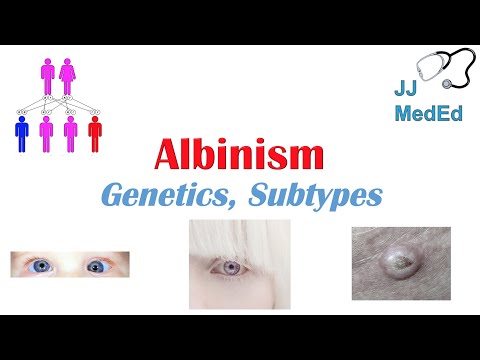
Albinism is a genetic condition that affects the way our bodies produce melanin, the pigment in our skin, hair, and eyes. You know, melanin is sorta like nature’s built-in sunscreen. When someone has albinism, they don’t produce enough of it. This leads to lighter skin and hair, and can also affect vision.
There are different types of albinism. The most common forms are oculocutaneous albinism (OCA) and ocular albinism (OA). Each variant has its own distinct features. OCA affects skin, hair, and eyes, while OA primarily impacts eyesight.
Ocular Albinism: What’s Going On?
Ocular albinism mainly impacts vision because the retina—the light-sensitive layer at the back of the eye—doesn’t develop normally without enough melanin. This can cause issues such as poor eyesight or even nystagmus, which is a fancy term for when your eyes move involuntarily.
If you’ve seen someone squinting or struggling to focus on things up close, they might be dealing with these symptoms. Frustratingly enough, their other physical traits—like skin tone—might not be very noticeable at all!
Symptoms to Look For
- Poor depth perception
- Sensitivity to bright light
- Nystagmus (involuntary eye movement)
- Refractive errors (like nearsightedness)
Treatment Options
Treating ocular albinism isn’t about curing it since it’s a genetic condition. Instead, it’s more about managing symptoms and helping with vision issues. Glasses or contact lenses can really help improve sight for many folks.
Sunglasses are also important! They protect sensitive eyes from UV rays that can cause damage over time. Some people find low-vision aids helpful too; these tools can assist in reading or seeing things better.
The Unique Traits of Albinism Variants
The variants of albinism are fascinating when you think about how diverse they are! For example, OCA comes in several subtypes based on which genes are involved. Each variant might show different levels of pigmentation or have unique health concerns associated with it.
Cultural Perspectives
It’s interesting how people with albinism experience life differently in various cultures. In some societies they’re celebrated; in others unfortunately face stigma or misunderstanding due to myths surrounding their condition.
A Final Note on Awareness
Understanding albinism helps foster acceptance and awareness around these unique traits. Every person with this condition has their own experience related to it—you could say it adds a layer of complexity to human diversity!
You might know someone who experiences this issue firsthand or have seen them honored in media recently; either way reaching out for knowledge helps break down barriers!
Exploring Hope and Solutions for Those Affected by Albinism
Understanding Ocular Albinism
Ocular albinism is a genetic condition that primarily affects the eyes. People with this type of albinism often have reduced pigmentation in their irises, making them appear lighter than usual. This can lead to some unique challenges.
Symptoms You Might Notice
The symptoms of ocular albinism can vary, but you might find someone squinting frequently or having trouble seeing well in bright light. They may also experience nystagmus, which is an involuntary movement of the eyes. You know how sometimes your eyes feel tired after staring at a screen? Imagine that feeling but more constant.
How It’s Inherited
This condition is usually passed down through families. It involves a mutation in genes responsible for eye pigmentation and development. So, if there’s someone in the family with it, there’s a higher chance others might be affected too.
Treatment Options Available
There isn’t a “cure” for ocular albinism since it’s related to genetics, but there are ways to manage its effects. Regular visits to an eye care professional can help adjust vision problems over time.
Some people find that wearing sunglasses helps reduce glare and makes bright settings easier to handle. Just like how your shades help you on a sunny day! Others might benefit from special contact lenses or glasses designed specifically for their needs.
The Importance of Support
Lifestyle adjustments can go a long way too. For instance, getting familiar with their surroundings and using contrast-y colors can help those affected navigate better during the day-to-day things like getting around school or work.
- Support groups exist where individuals and families share experiences.
- You might connect with others who understand similar challenges.
- Education about ocular albinism can also empower both individuals and their families.
Myths and Misconceptions
A common myth is that people with ocular albinism can’t see at all; that’s not true! While they may face challenges, most have some level of vision. And guess what? Many go on to live full lives just like anyone else!
If you’re looking into this topic because someone you know is affected by it—just know that every little step counts towards understanding and support. The journey may have bumps along the way, but there are avenues to explore together that provide hope and encouragement!
Understanding the Genetic Journey Behind Albinism
Albinism is a fascinating genetic condition that affects the body’s ability to produce melanin, the pigment responsible for coloring our skin, hair, and eyes. When someone has albinism, their body either makes very little melanin or none at all. This can lead to lighter skin and hair, but it also impacts vision significantly.
The genetic aspect of albinism is interesting. It often results from mutations in specific genes—like the TYR gene—that are crucial for melanin production. If both parents carry a mutated gene for albinism, there’s a chance their child could inherit this trait. It’s kind of like tossing a coin; sometimes you get heads, sometimes tails!
Ocular Albinism Explained
Now let’s talk about ocular albinism specifically. This form primarily affects the eyes. Individuals with ocular albinism may have normal skin and hair color but face challenges like reduced vision and sensitivity to light. Imagine trying to watch a movie under bright lights; it can be overwhelming for those with this condition.
Symptoms often include problems focusing on objects or trouble seeing in low-light conditions. Some people might even experience nystagmus, which is an involuntary eye movement that can make clear vision quite tough.
Treatment Options
When it comes to treatment options, they’re generally focused on managing symptoms rather than “curing” the condition itself. You know, there isn’t really a magic pill here! Instead, people may use specialized glasses or contact lenses designed to improve visual clarity.
Moreover wearing sunglasses or wide-brimmed hats helps reduce light sensitivity. Some folks also find that vision therapy provides significant benefits too—a bit like training your eyes to work better together.
Misperceptions about Albinism
A common misconception is that all individuals with albinism have pinkish eyes and very pale skin—this isn’t true! People with albinism come in various appearances depending on the type they have and other genetic factors at play.
It’s important to remember that while genetics plays a key role in this journey, understanding and compassion are equally essential when supporting someone affected by albinism. Sharing knowledge helps break down barriers faced by those living with these conditions.
A Final Thought
The genetic journey behind albinism is complex but worth exploring as it enriches our understanding of diversity within human health experiences; everyone deserves appreciation beyond physical differences!
Understanding Ocular Albinism: Symptoms and Treatment Options
Ocular albinism is a condition that affects the eyes, leading to vision problems. It occurs when melanin, the pigment responsible for color in our skin, hair, and eyes, is not produced in sufficient amounts. Since melanin plays a crucial role in eye health, its absence can cause issues.
The primary symptoms of ocular albinism include reduced visual acuity, which means that things may appear blurry or out of focus. People with this condition might also struggle with depth perception—that’s the ability to judge how far away something is. Additionally, they are often more sensitive to light than individuals with normal pigmentation.
Imagine being at the beach on a sunny day without sunglasses; that’s what bright light feels like to someone with ocular albinism.
Treatment options usually focus on managing symptoms rather than curing the condition since there’s no permanent remedy. Visual aids such as glasses or contact lenses can help improve vision quality. Some people benefit from tinted lenses that reduce glare.
In certain cases, low-vision rehabilitation services can assist individuals in making the most of their remaining sight. These resources provide strategies and tools tailored to enhance daily activities.
It’s important for those with ocular albinism to have regular eye check-ups. Early intervention can significantly impact overall quality of life. While living with this condition may present challenges, proper support and understanding can lead to fulfilling experiences balanced against visual limitations.
Ultimately, community awareness about ocular albinism plays a key role in fostering inclusion and empathy for those affected by it.