
The information provided in this article is intended solely for general informational and educational purposes. It does not constitute medical advice, diagnosis or professional treatment, and should not be considered a substitute for consultation with a qualified doctor or other licensed healthcare professional. Any health-related decisions should be made in consultation with accredited medical professionals.
While efforts have been made to ensure the information is accurate and up to date, no guarantees are given—either express or implied—regarding its accuracy, completeness, currency or suitability. Use of this information is at your own discretion.
It is strongly recommended to consult official sources such as the NHS (National Health Service) or other recognised medical institutions before acting on any information contained on this website or article. Under no circumstances should professional medical advice be ignored or delayed due to content read here.
This content is of a general and informational nature only. It is not intended to replace individualised guidance from a healthcare professional or to establish any doctor-patient relationship. The publication of this information does not imply any professional responsibility, guarantee or obligation on the part of the author or this site.
Ever looked in the mirror and noticed a weird growth on your skin, wondering if it’s something serious? You’re not alone. Many people experience skin changes as they age, and one common culprit is seborrheic keratosis.
This skin condition often appears as brown, black, or tan raised spots. They can feel kinda rough or even look like warts. And while they’re usually harmless, they can be concerning for those who don’t know much about them.
In this article, we’ll break down what seborrheic keratosis is, how to recognize its symptoms, and explore treatment options available. It’s important to understand that while these lesions are typically benign—meaning they’re not cancerous—they still matter for your overall skin health.
Remember, this content doesn’t replace professional medical advice. Health decisions should never be made solely based on what you read online. It’s always a smart move to consult with a healthcare professional about any concerns you have regarding your skin.
A Visual Guide to Understanding Seborrheic Keratosis and Its Appearance
A Visual Guide to Understanding Seborrheic Keratosis
Seborrheic keratosis is a common skin condition that results in non-cancerous growths on the skin. These growths can look like warts or moles, and they often appear as you get older. But what exactly are they? Let’s dive into it.
What Do Seborrheic Keratoses Look Like?
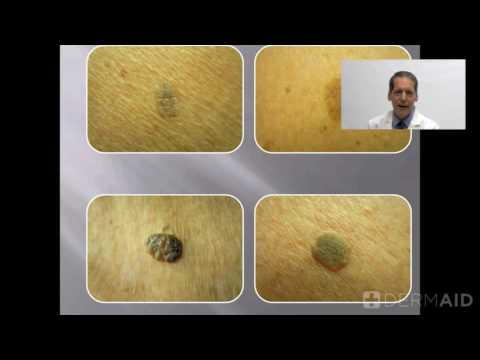
These growths can vary quite a bit in appearance. They can be small, about the size of a pencil eraser, or larger—sometimes even a few inches across. The shape may be round or oval and they usually have a slightly elevated surface.
Color-wise, they can range from light tan to dark brown or black. It’s not unusual for them to be scaly or flaky, too. Think of them like little pieces of stuck on dirt; that’s how some people describe them.
Where Do They Appear?
You’re more likely to see seborrheic keratoses on your face, chest, back, and scalp. They’re pretty common after age 40 but can appear earlier for some folks. If you notice something that looks different from your usual skin markings? It’s worth checking out.
Symptoms: What Should You Expect?
The good news is that seborrheic keratosis usually doesn’t come with any pain or discomfort. Sometimes, though, they might itch if irritated—kind of like having an old sticker that won’t come off easily!
Treatment Options
If you decide to remove these growths (and many people do for cosmetic reasons), there are several options available:
- Cryotherapy: This involves freezing the growth with liquid nitrogen.
- Curettage: A doctor scrapes off the lesion using a special tool.
- Laser therapy: Focused light beams help to eliminate the growths.
It’s crucial to remember that you shouldn’t try removing them yourself at home—seriously! Professional care ensures safety and reduces complications.
Myths and Misunderstandings
A popular myth is that these growths turn into cancerous spots. That’s not true; they are benign by nature! Just keep an eye on any changes in size, color, or texture because any unusual changes warrant further observation by professionals.
Pain Level and Healing Time
If treatment is necessary, most people report minimal discomfort during the procedures mentioned above—it’s often less than getting a shot at your doctor’s office! Healing time varies depending on how deep or big the lesion was but generally improves within days to weeks after removal.
Your Skin Is Unique!
Lastly, everyone’s skin is unique so what might work for one person may not work for another—that’s totally normal! If you have concerns about your skin leveling up its game with unwanted keratoses? It always helps to consult someone who knows their way around skincare.
Simple Tips for Smooth, Clear Skin Without the Clinic
Understanding Seborrheic Keratosis
Seborrheic keratosis is a common skin condition. You might see it as raised, wart-like growths on your skin. They can appear in various colors, from light tan to black. They often feel rough or scaly and can occur anywhere on the body, but they’re most commonly found on the face, chest, back, and scalp.
What Causes Seborrheic Keratosis?
The exact cause isn’t completely understood. Genetics plays a role, as this condition tends to run in families. Age is another factor—these growths usually show up in older adults.
Recognizing Symptoms
Symptoms of seborrheic keratosis are pretty straightforward. You’ll notice raised bumps that might look like moles or warts. These spots don’t typically hurt or itch. However, sometimes they can get irritated if you shave over them or rub against clothing.
Treatment Options
If you’re wondering about treatment options, there are a few pathways you could consider. While these growths are harmless and don’t need to be treated for health reasons, you might want to remove them for cosmetic purposes.
- Cryotherapy: This involves freezing the lesions with liquid nitrogen until they fall off.
- Curettage: A healthcare provider scrapes away the growth with a small instrument.
- Laser Therapy: Light energy is used to destroy the tissue causing the keratosis.
It’s crucial to talk with a healthcare pro about which option suits best for you if you’re considering removal. Each method has its pros and cons; some may leave less scarring than others for instance.
Simple Tips for Clear Skin
You may not need to visit a clinic for every skincare concern though! Maintaining smooth skin often comes down to daily habits that reduce irritation and keep your skin healthy.
- Cleansing: Gently wash your face twice daily using lukewarm water and mild soap—this helps remove dirt without irritating your skin.
- Moisurizing: A good moisturizer keeps your skin hydrated; just choose one that’s non-comedogenic (won’t clog pores).
- Sunscreen: Applying sunscreen daily protects against sun damage which can worsen conditions like seborrheic keratosis over time.
You know? It’s also smart to avoid harsh chemicals in skincare products that could irritate your skin more than help it!
A Final Thought
If you’re worried about what you’re seeing on your skin or have questions about treatment options that aren’t mentioned here, it’s always best chatting with someone who knows more about it—like a dermatologist—or maybe even ask around friends who’ve been through similar situations!
Effective Solutions for Managing Seborrheic Keratosis and Enhancing Skin Health
Understanding Seborrheic Keratosis
So, what is seborrheic keratosis? It’s a common skin condition that appears as raised, scaly patches. They can be brown, black, or light tan and may feel kind of rough or warty. Honestly, they’re not harmful but can sometimes be a bit annoying.
You might notice these spots on areas like your face, scalp, back, or chest. They usually develop with age and are more common in older adults. It’s like nature’s little reminder of time passing! And while they don’t cause any pain or discomfort on their own, some people wish to remove them for cosmetic reasons.
Symptoms to Look For
- Raised bumps that might look like warts.
- Color variations from light tan to deep black.
- Scaly or greasy texture.
- No itching or pain involved.
If you see something on your skin that resembles this description but isn’t quite it—like a mole or rash—it’s worth getting checked out by someone who knows about skin stuff!
Treatment Options
Now let’s talk about treatment. First off, if you’re not bothered by the keratosis spots, many people just leave them alone. But if you want them gone for any reason—fashion statement or otherwise—there are several options available.
- Cryotherapy: This involves freezing the keratosis with liquid nitrogen. It’s like giving it a cold blast!
- Curettage: This method uses a small tool to scrape off the growth. Think of it as gently scraping paint off a wall.
- Electrosurgery: Here, an electrical current helps remove the lesion. It sounds high-tech but works through heat!
- Laser therapy: A laser can target and reduce the appearance effectively without much fuss.
This may sound intense but most procedures are quick and done in a doctor’s office. Recovery is usually smooth; however,it’s important to follow aftercare instructions if you decide to go this route!
Enhancing Skin Health
A healthy skin routine can help everyone keep their skin looking good overall—regardless of whether they have seborrheic keratosis. Things like moisturizing daily and using sunscreen can really make a difference over time.
- Sunscreen: Protect your skin from harmful UV rays that can worsen various conditions including these growths.
- Nourishing moisturizers: Keep your skin hydrated; dry skin can lead to more noticeable issues!
- Avoid harsh soaps: Gentle cleansing products will help maintain your natural oils instead of stripping them away.
You may also want to stay hydrated and eat foods rich in vitamins C and E;those nutrients support overall skin health.. Together these strategies make for happier and healthier looking skin!
A Word About Myths
A lot of myths swirl around skincare treatment options out there! For instance, some people think home remedies work just as well as medical treatments—but that’s often not true. While things like apple cider vinegar sound appealing for DIY solutions; they could irritate your skin instead! Always do research before diving into any hacks you hear about because what’s good for one person might not be for another.
If you’re ever unsure about what you’re seeing on your skin—or how best to manage it—talking with someone knowledgeable really helps clear things up! That way you get solid info tailored specifically for you too .
Understanding Seborrheic Keratosis: Symptoms and Treatment Options
Seborrheic keratosis is a common skin condition, often seen in older adults. These growths can look like warts, but, they’re actually benign. They usually appear as raised, scaly patches that vary in color—like tan, brown, or even black. If you’ve spotted something a bit oddly textured on your skin, it might just be this.
One major point of interest is that seborrheic keratosis doesn’t typically cause any symptoms. Some people may experience itching or irritation, especially if the lesions rub against clothing or are in an area prone to friction. Honestly, most people only notice them when they look in the mirror or see them on a loved one.
Treatment options vary based on how bothersome these growths are to the individual. If someone wants them removed for cosmetic reasons—or if they become uncomfortable—there are several methods available.
- Cryotherapy: This involves freezing the growth with liquid nitrogen.
- Curettage: The growth is scraped off gently using a specialized instrument.
- Electrodessication: This uses electricity to remove the lesion and stop bleeding.
- Laser therapy: A focused light beam is used to eliminate the growth.
Don’t be too quick to worry; seborrheic keratosis is not cancerous and rarely causes complications. Regular skin checks with a dermatologist can keep your skin health in check and ensure any changes are monitored properly.
It’s essential to approach any skin lesions thoughtfully—understanding what’s normal and what’s not helps us take care of our bodies better. If you’re unsure about anything concerning your skin health, reaching out to a healthcare professional can provide clarity and peace of mind.


