The information provided in this article is intended solely for general informational and educational purposes. It does not constitute medical advice, diagnosis or professional treatment, and should not be considered a substitute for consultation with a qualified doctor or other licensed healthcare professional. Any health-related decisions should be made in consultation with accredited medical professionals.
While efforts have been made to ensure the information is accurate and up to date, no guarantees are given—either express or implied—regarding its accuracy, completeness, currency or suitability. Use of this information is at your own discretion.
It is strongly recommended to consult official sources such as the NHS (National Health Service) or other recognised medical institutions before acting on any information contained on this website or article. Under no circumstances should professional medical advice be ignored or delayed due to content read here.
This content is of a general and informational nature only. It is not intended to replace individualised guidance from a healthcare professional or to establish any doctor-patient relationship. The publication of this information does not imply any professional responsibility, guarantee or obligation on the part of the author or this site.
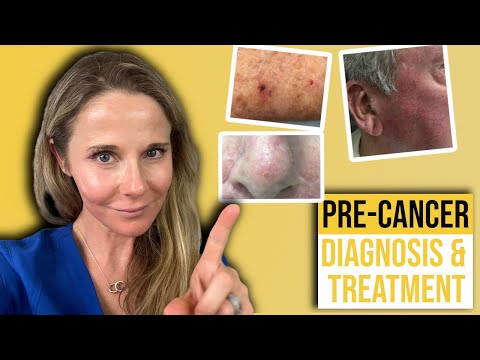
Have you ever noticed a rough, scaly spot on your face that just won’t go away? It’s more common than you might think. Many people shrug it off as sun damage, but it could be actinic keratosis. This skin condition affects millions and can be a sign of potential issues down the road.
Actinic keratosis is caused by years of sun exposure. You know those sunny days at the beach or long afternoons in the garden? Well, they can leave their mark. These spots usually pop up on areas like your cheeks, forehead, or ears—places that get the most sunlight.
But why should you care about these patches? Well, while they’re usually harmless, they can sometimes lead to skin cancer if left untreated. That’s right; it pays to keep an eye on your skin! In this article, we’ll explore how to recognize actinic keratosis and what treatment options are available.
This isn’t a replacement for medical advice though. Always consult with a healthcare professional about any skin concerns you have; they can provide guidance tailored just for you.
Simple Strategies to Soothe Your Skin and Restore Your Glow
Soothe Your Skin and Restore Your Glow
If your skin has been feeling rough or irritated, you might be dealing with a condition called actinic keratosis. It’s not just a mouthful to say; it’s important to know about too. These are scaly patches that can appear on areas exposed to the sun, like your face. They can be more than just annoying; over time, some may even develop into skin cancer.
Recognizing Actinic Keratosis
These patches often look like dry, red, or brown spots. They might feel rough or itchy too. Think of them as your skin’s way of saying it’s had too much sun exposure over the years. If you’ve spent a lot of time outdoors without sunscreen, this could explain why they’re popping up now.
Simple Strategies for Soothe Your Skin
- Moisturize Regularly: Applying moisturizer helps keep your skin hydrated. Look for products with ingredients like hyaluronic acid or glycerin.
- Use Sunscreen: Sunscreen isn’t just for hot summer days! Make it part of your daily routine to protect those patches from getting worse.
- Avoid Harsh Products: Stay clear of strong exfoliants or products with alcohol that could irritate sensitive skin further.
- Cool Compress: Sometimes, a simple cool compress can help soothe any discomfort you might have from those patches.
Treating Actinic Keratosis
If you notice persistent actinic keratosis patches, it can be wise to check in with a healthcare provider. They’ll guide you on what treatment might work best for your situation—sometimes topical creams can help remove these spots, and in other cases procedures like cryotherapy might be suggested.
The Glow Factor
Your skin deserves some love! Keeping it hydrated and protected from the sun is key to helping restore its glow over time. Eating a balanced diet rich in fruits and vegetables can also have positive effects on overall skin health.
You know? Every little bit counts when it comes to skincare routines! Making small changes today could lead to healthier-looking skin tomorrow. So whether it’s slapping on some sunscreen before heading outside or grabbing moisturizer after washing your face, taking care of yourself is really what it’s all about!
Visual Insights into Actinic Keratosis: Understanding Skin Changes on the Face
Understanding Actinic Keratosis
Actinic keratosis, or AK for short, is a skin condition that often pops up on areas of the body exposed to the sun. It usually appears as rough, scaly patches on your face, ears, and even your hands. You might think of it like a warning light that suggests your skin has been damaged by UV radiation over time.
What Does it Look Like?
These patches can vary in color from pink to red or brown. Sometimes they feel dry or flaky—almost like you’re dealing with a stubborn piece of dry skin. If you look closely, they might be slightly raised compared to the surrounding skin.
Why Does it Happen?
The main culprit is sun exposure. The more time you spend in the sunlight without proper protection, the higher your chances of developing AK. Think about those summer days when you forgot sunscreen; that’s when damage begins accumulating.
Who Gets Actinic Keratosis?
Anyone can develop actinic keratosis; however, it’s more common in people with fair skin and those who have had significant sun exposure throughout their lives. If you’ve spent years working outdoors or love hitting the beach without sunscreen, keep an eye out for those patches!
Treatment Options
Treating actinic keratosis varies based on how severe it is. Some people might only need regular monitoring while others may require treatments like cryotherapy (freezing) or topical medications to help get rid of those pesky spots.
- Cryotherapy: This involves freezing the affected area using liquid nitrogen. It’s pretty quick and usually effective.
- Topical Medications: Creams like 5-fluorouracil (5-FU) assist in destroying abnormal cells and can be applied at home over several weeks.
- Photodynamic Therapy: This treatment uses light and a special solution that helps eliminate the keratoses while being gentle on surrounding skin.
The Importance of Monitoring
Sometimes actinic keratosis can progress into something called squamous cell carcinoma if left untreated. So checking in with a healthcare professional regularly is crucial for catching any changes early on.
Your Role in Prevention
You know what? Prevention is key! Wearing sunscreen daily—even on cloudy days—can make a massive difference. Also consider wearing hats or seeking shade during peak sun hours.
A Few Last Thoughts
If you notice any new spots or changes in existing ones on your face or other sun-exposed areas, don’t hesitate to reach out to a healthcare provider for advice! It’s always better to be proactive about your health and skin care habits.
Discover Effective Solutions for Managing Actinic Keratosis
Understanding Actinic Keratosis
Actinic keratosis is a skin condition that often shows up as rough, scaly patches on sun-exposed areas like your face or hands. You know, it’s like your skin’s way of saying it’s been through the wringer from too much sun. These spots can vary in color—from red to brown—and they might feel dry or itchy at times.
What Causes Actinic Keratosis?
The primary culprit here is UV radiation from the sun. When you spend too much time in the sun without protection, it damages your skin cells over time. Think of it like a slow burn; each moment adds up until your skin finally reacts. People with lighter skin tones are more prone to developing these patches.
Recognizing the Symptoms
So how do you know if you’ve got actinic keratosis? Look for small, rough patches that don’t seem to go away. Sometimes they’ll peel or crust over, but they’ll often return. If they’re tender or bleed, that’s a sign to see someone for a check-up.
Treatment Options
- Cryotherapy: This involves freezing those spots with liquid nitrogen. It sounds intense but can be quick and effective.
- Topical treatments: Your healthcare provider might suggest creams that help remove those pesky patches gently over time.
- Photodynamic Therapy (PDT): This uses a special light after applying a sensitizing agent to target and destroy abnormal cells.
- Laser Treatment: Lasers can also help by targeting specific areas and removing damaged layers of skin.
Caring for Your Skin
No matter what treatment you choose, protecting your skin post-treatment is crucial! Sunscreen isn’t just for beach days; using it daily helps prevent future actinic keratosis. A broad-spectrum sunscreen with at least SPF 30 is generally recommended.
When to Seek Help
If you notice changes in size, color or texture of any spot on your skin—or if something new pops up—don’t hesitate to reach out for professional advice. Early intervention makes a real difference!
Myths and Facts about Actinic Keratosis
- Mistake:You only get actinic keratosis if you’re older.
Fact:This can happen at any age, especially if you’ve had significant sun exposure! - Mistake:If I have no symptoms it’s not serious.
Fact:Sometimes they don’t hurt but can still progress into more serious issues if ignored.
The key takeaway here? Keep an eye on your skin! If anything seems off or new appears, addressing it’s important for good health down the line.
Recognizing and Treating Actinic Keratosis on Your Face
Actinic keratosis (AK) is a skin condition that arises mainly due to prolonged exposure to sunlight. Honestly, it’s more common than many realize. These rough, scaly patches can appear on the face, ears, neck, or scalp and are considered precursors to skin cancer.
The first step in recognizing AK is understanding its appearance. These lesions typically feel dry or rough to the touch and might be pink, red, or tan. Sometimes they may even itch or burn. Think of them like a warning sign from your skin that it’s been overexposed to UV rays.
Treatment options for actinic keratosis vary depending on factors like the number and size of the lesions. Topical treatments are often used—they’re creams that can help remove these patches gently over time. Another approach could be cryotherapy, where the doctor freezes off the lesion with liquid nitrogen.
Now you might wonder if prevention is possible. The answer? Absolutely! Wearing sunscreen daily can significantly reduce your risk. Look for broad-spectrum SPF of at least 30 and make reapplying part of your routine when spending extended time outdoors.
If you notice any suspicious changes in your skin or have concerns about potential AKs, it’s always wise to consult a healthcare professional. Regular skin check-ups can help catch issues early when they’re more easily treatable.
In short, understanding actinic keratosis can empower individuals to take charge of their skin health effectively!