
The information provided in this article is intended solely for general informational and educational purposes. It does not constitute medical advice, diagnosis or professional treatment, and should not be considered a substitute for consultation with a qualified doctor or other licensed healthcare professional. Any health-related decisions should be made in consultation with accredited medical professionals.
While efforts have been made to ensure the information is accurate and up to date, no guarantees are given—either express or implied—regarding its accuracy, completeness, currency or suitability. Use of this information is at your own discretion.
It is strongly recommended to consult official sources such as the NHS (National Health Service) or other recognised medical institutions before acting on any information contained on this website or article. Under no circumstances should professional medical advice be ignored or delayed due to content read here.
This content is of a general and informational nature only. It is not intended to replace individualised guidance from a healthcare professional or to establish any doctor-patient relationship. The publication of this information does not imply any professional responsibility, guarantee or obligation on the part of the author or this site.
Have you ever noticed a dark spot on your skin and wondered if it’s something to worry about? You’re not alone. Many people find themselves in similar situations, especially when it comes to changes in their skin. One of those changes could be a condition called lentigo maligna melanoma.
This particular type of melanoma is more common than you might think, and recognizing it early can make a huge difference in treatment outcomes. It usually presents as a flat, discolored patch on sun-exposed areas like the face or arms. If left untreated, it can turn into a more aggressive form of cancer.
In this article, we’ll explore how to identify lentigo maligna melanoma and discuss effective treatment options available today. Understanding this condition is crucial not just for your health but also for peace of mind.
Remember, though, this information isn’t a substitute for professional medical advice. Always consult with a healthcare professional before making any decisions about your health.
Exploring the Visual Signs of Lentigo Maligna
Understanding Lentigo Maligna
Lentigo maligna is a type of skin cancer that often appears in sun-exposed areas, usually on older adults. It develops slowly and can sometimes be mistaken for age spots or freckles. Recognizing its visual signs early on is important. Early detection can lead to better outcomes.
What Does It Look Like?
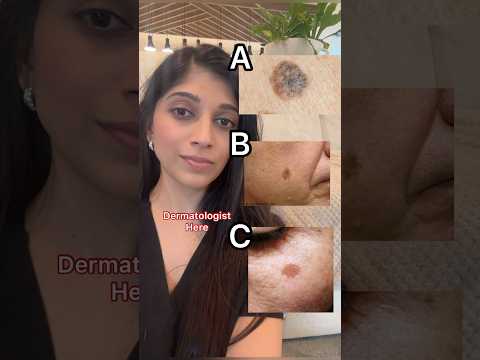
You might notice a flat, brownish or dark patch on the skin. Sometimes it has irregular borders and varying colors like tan, brown, or even black. Think of it as a coffee spill—kind of messy with different shades mixed in. Over time, it might become larger.
How to Spot Changes
One way to monitor these patches is by using the ABCDE method:
- A for Asymmetry: One half doesn’t match the other.
- B for Border: Edges are irregular or blurry.
- C for Color: Multiple colors in one spot are concerning.
- D for Diameter: If it’s larger than a pencil eraser, get it checked.
- E for Evolving: Any change over time deserves attention.
Risk Factors
If you have light skin, history of sunburns, or spend lots of time outdoors without protection, you may be at higher risk. Age also plays a role—most cases appear in people over 50. It’s like having an old car; over time some parts just wear down more easily.
Treatment Options
If diagnosed early enough, lentigo maligna can often be treated effectively through surgical excision. This means removing the cancerous area along with some healthy skin around it to ensure no remnants are left behind. Other treatments might include topical therapies but consult with someone who knows their stuff before deciding anything.
Misinformation about Lentigo Maligna
A common myth is that only sunburns cause this type of skin cancer. While UV exposure from the sun does contribute significantly, other factors like genetics also come into play. So just because you’ve never had a bad burn doesn’t mean you’re off the hook!
The Bottom Line
Lentigo maligna can appear quite harmless at first glance but keeping an eye on any changes is crucial as it progresses slowly but surely. Don’t hesitate to get your skin checked if you see something unusual; it’s better to be safe than sorry! Just remember: regular check-ups and awareness make all the difference.
Understanding the Risks and Realities of Lentigo Maligna
Understanding Lentigo Maligna
Lentigo maligna is a type of skin melanoma that often appears in older adults. You might notice it as a dark, irregularly shaped spot on areas that have had long-term sun exposure, like the face or arms. It tends to grow slowly over several years, which can make it tricky to identify early on.
Recognizing the Signs
When you look at lentigo maligna, it typically has uneven color and jagged edges. The spot can be shades of brown, black, or even tan. It’s kinda like an inkblot that’s spreading over time. Most people might think it’s just age spots or freckles at first.
Regular skin checks are important. If you see any changes in size or color of a spot you’ve had for a while, it’s worth getting checked out by a healthcare professional.
The Risks Involved
Evolving from lentigo maligna to invasive melanoma is possible but not guaranteed. If left untreated for years, there’s a chance it could develop deeper into the skin layers. That’s when things get serious because invasive melanoma can spread to other parts of the body.
Your risk factors include having fair skin, lots of sun exposure over your lifetime, or having previously had other types of skin cancer. Sometimes family history plays a role as well—if your relatives had issues with skin cancer before, it could raise your risk too.
Treatment Options
Treating lentigo maligna usually involves surgical removal of the affected area. This helps ensure that all cancerous cells are taken out. Other treatments may include topical chemotherapy creams which help target the cancer cells directly on the skin surface without surgery.
Sometimes doctors recommend close monitoring instead, especially if it’s caught very early and hasn’t changed much over time. It’s like watching for signs that something might be going wrong before taking action.
Myths and Misconceptions
A common myth is that you can’t do anything about lentigo maligna until it turns into melanoma—that’s false! Catching it early means better chances for successful treatment and recovery.
Also, some folks think sunscreen is only necessary during summer months; that’s misleading too! Sun damage occurs year-round—cloudy days included—so daily sunscreen use can really help protect your skin in keeping those spots at bay.
The Bottom Line
Lentigo maligna may sound alarming but with awareness and regular check-ups you can stay ahead of potential issues. Understanding what to look for and discussing any concerns with your healthcare provider offers peace of mind while navigating this health concern responsibly.
Understanding the Risks and Realities of Lentigo Maligna
Understanding Lentigo Maligna
Lentigo maligna, huh? It’s a type of melanoma that usually appears as a flat, brownish spot on the skin. Most often, you’ll find it in areas that have seen lots of sun, like the face or arms. So, what’s the deal with this particular skin condition?
What Makes Lentigo Maligna Different?
Well, it starts off as something called a lentigo. That’s just a fancy term for “age spot” or “sun spot.” Over time, these spots can become cancerous if they develop into lentigo maligna melanoma. It’s critical to catch it early because, honestly, untreated melanoma can spread to other parts of the body.
Risk Factors
- Sun exposure: The more sun your skin has taken over the years, the higher your risk.
- Skin type: Fair-skinned folks are generally at greater risk.
- A history of skin cancer: If you’ve had it before, you gotta be more vigilant.
- Age: It’s more common in older adults.
Recognizing Lentigo Maligna
You might notice a few signs that could point to lentigo maligna. Look for uneven color and borders along with an increase in size. Sometimes it can even change texture or start bleeding—definitely not things you wanna ignore. Remember that any new or changing spot on your skin deserves attention.
Treatment Options
If lentigo maligna is diagnosed early, removal is usually straightforward—often just a minor surgical procedure does the trick. But if it progresses to melanoma? Treatment gets more complex and may include surgery alongside options like immunotherapy or targeted therapy.
The Importance of Regular Check-Ups
You know what? Regular dermatological check-ups are super important! They help catch changes early when they’re easier to treat. Don’t hesitate to ask questions and voice concerns during these visits; it’s all part of proactive healthcare!
Myths vs Reality
- Myth: Only fair-skinned people get melanoma.
- Reality: While they’re at higher risk, anyone can develop this condition regardless of their skin tone.
- Myth: Sunscreen isn’t necessary when it’s cloudy.
- Reality: UV rays can penetrate clouds; sunscreen should always be applied!
Catching lentigo maligna early makes all the difference in treatment outcomes. Stay vigilant about changes in your skin and consult with healthcare professionals if you’re ever unsure about something unusual appearing on your body.
The key takeaway here? Knowledge is power—understand what you’re looking for and don’t hesitate to seek help! Your health is worth it!
Recognizing and treating lentigo maligna melanoma (LMM) involves a nuanced understanding of its characteristics and the best approaches to care. LMM often appears in sun-damaged skin, particularly in older adults, making it essential to identify early signs. It starts as a flat, brown lesion that can grow over time, often mistaken for harmless age spots.
Diagnosis relies heavily on visual examination and biopsy for confirmation. The challenge lies in differentiating it from other skin conditions, which can be tricky without training. Healthcare providers must be vigilant since early detection significantly improves outcomes.
Treatment typically includes surgical excision, where the melanoma is removed along with some surrounding healthy tissue. In more advanced cases, additional therapies may be necessary. Understanding patient histories and factors like sun exposure is crucial in tailoring treatment plans effectively.
Education plays a vital role too; patients should be informed about self-examinations and when to seek help for changes in their skin. By fostering awareness around LMM, we empower individuals to participate actively in their health.
In summary, recognizing lentigo maligna melanoma early can lead to successful treatment outcomes. Staying informed and proactive benefits both healthcare providers and patients alike.


