Have you ever glanced at your skin and wondered if a mole or spot is something to keep an eye on? You’re not alone. Skin checks can feel overwhelming, especially when it comes to understanding the difference between harmless blemishes and potential threats like melanoma.
Visual insights—using photos to recognize signs of melanoma—can be incredibly helpful. They provide a reference point, allowing you to spot changes in your skin. Think of it like comparing your own garden to pictures of flourishing flowers versus pesky weeds. Understanding what’s normal can empower you to take action if something looks suspicious.
However, it’s essential to remember that while visuals can guide you, they aren’t foolproof. Melanoma can present in many forms that aren’t always captured in images. It’s crucial not to rely solely on photos for diagnosis. Always consult healthcare professionals who specialize in skin health for personalized advice tailored just for you.
Stay curious, but also be cautious. Exploring various resources ensures you’re well-informed—different specialists and varied media offer perspectives that deepen your understanding of skin health and melanoma risks. Your skin tells a story; make sure you’re reading it right!
The information provided in this article is intended solely for general informational and educational purposes. It does not constitute medical advice, diagnosis or professional treatment, and should not be considered a substitute for consultation with a qualified doctor or other licensed healthcare professional. Any health-related decisions should be made in consultation with accredited medical professionals.
While efforts have been made to ensure the information is accurate and up to date, no guarantees are given—either express or implied—regarding its accuracy, completeness, currency or suitability. Use of this information is at your own discretion.
It is strongly recommended to consult official sources such as the NHS (National Health Service) or other recognised medical institutions before acting on any information contained on this website or article. Under no circumstances should professional medical advice be ignored or delayed due to content read here.
This content is of a general and informational nature only. It is not intended to replace individualised guidance from a healthcare professional or to establish any doctor-patient relationship. The publication of this information does not imply any professional responsibility, guarantee or obligation on the part of the author or this site.
Unveiling the Secrets of Skin Health Through Advanced Imaging Techniques
Understanding skin health is essential. Our skin is the body’s largest organ. It protects us from various environmental factors and helps regulate temperature.
Advanced imaging techniques have revolutionized how we view skin health. They allow us to see beneath the surface, providing detailed insights into skin conditions. These methods can help identify issues like melanoma at an early stage.
Melanoma is a serious form of skin cancer. Its early detection significantly improves treatment outcomes. Advanced imaging can help visualize changes in moles or spots on the skin that might not be visible to the naked eye.
Some common imaging techniques include:
These innovations assist healthcare providers in making better assessments. By utilizing these technologies, doctors can differentiate between benign spots and potentially harmful ones more effectively.
It’s important to remember that not all moles are harmful, but certain characteristics may raise concerns. For example:
Regular self-examinations play a key role too. Being aware of what your skin looks like normally can help you spot any unusual changes early on.
While advanced imaging offers valuable information, it’s not a substitute for professional evaluation. If you notice concerning changes in your skin, consulting with a healthcare provider is crucial.
In conclusion, understanding advanced imaging techniques enhances our approach to recognizing melanoma and other skin conditions early on. It empowers both patients and providers to make informed decisions about skin health management. Regular check-ups and awareness remain essential components in maintaining healthy skin.
Uncovering the Telltale Signs That Could Save Your Skin
Understanding how to recognize potential skin issues, like melanoma, is essential for everyone. Melanoma is a serious form of skin cancer that can develop when skin cells change. By being aware of certain signs, you can take prompt action.
One way to remember the warning signs is through the “ABCDE” rule:
You should also pay attention to any new growths on your skin. This includes spots that appear suddenly and don’t go away. Melanoma can arise from existing moles or develop as new ones.
Another common sign is irritation around a mole that doesn’t seem to heal properly. This could be redness or crusting that lasts longer than a few weeks.
Regular self-exams of your skin are helpful too. Check yourself monthly in good lighting using both mirrors if necessary. It’s like doing routine maintenance on your car; small checks can catch potential problems early.
If you see something suspicious, don’t hesitate to consult a healthcare professional. Early detection makes a difference in outcomes.
It’s also important to debunk some myths about melanoma risks. Tanning beds and sun exposure do contribute significantly but being fair-skinned isn’t the only risk factor. Anyone can develop melanoma regardless of their background.
Remember to protect your skin by wearing sunscreen daily—not just at the beach! Use at least SPF 30 and reapply every two hours when outdoors.
In conclusion, knowing these signs and taking preventive measures are key steps towards maintaining healthy skin. Staying informed empowers you to make better health choices for yourself and loved ones.
Essential Steps for Early Detection and Peace of Mind
Early detection of melanoma can be a crucial factor in successful treatment. Melanoma is a type of skin cancer that can often be treated effectively when caught early. Understanding how to spot potential signs can provide you with peace of mind.
Know Your Skin
Regularly check your skin for any changes. This includes moles, birthmarks, or any new spots that might appear. Familiarity with your skin helps you notice anything unusual.
The ABCDE Rule
One popular method for assessing moles is the ABCDE rule:
The Role of Sun Safety
Protecting your skin from harmful UV rays is vital. Use sunscreen with at least SPF 30 daily. Wearing protective clothing and seeking shade during peak sun hours can significantly reduce your risk.
Skin Exams Matter
Consider scheduling regular skin exams with a professional if you have risk factors like family history or lots of moles. These exams can catch anything concerning earlier than self-checks alone.
Mole Changes to Watch For
Keep an eye on moles that bleed, itch, or crust over. These changes may indicate something isn’t right and should be evaluated as soon as possible.
A Healthy Lifestyle Supports Skin Health
Eating well and staying hydrated contributes to better overall health and may help support your skin’s resilience against various conditions.
Remember, while these steps offer valuable guidance for spotting melanoma early, they do not replace professional medical advice. If you’re concerned about any markings on your skin, seeking expert guidance is always wise. Having knowledge empowers you to make informed decisions about your health.
“Visual Insights: Recognizing Melanoma with Photos” offers a vital perspective in the fight against skin cancer. Melanoma can be deadly, but early detection is key to successful treatment. This resource emphasizes the importance of visual education in recognizing skin changes that may indicate melanoma.
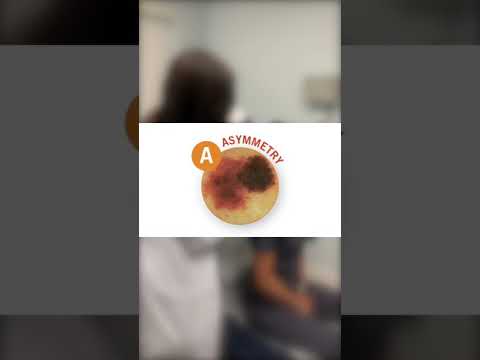
Photos serve as powerful tools for understanding what to look for. They can demystify medical terminology and empower individuals to take charge of their skin health. By learning about the ABCDEs of moles—Asymmetry, Border, Color, Diameter, and Evolving—people can become more vigilant.
Knowledge is a protective factor. The more we know about the characteristics of dangerous moles, the better we can identify them early. This approach encourages regular self-examinations and promotes open dialogue with healthcare providers.
However, it’s important to remember that not all changes are indicative of melanoma. Misinterpretation is common, so if something seems off, seeking professional advice is crucial. Visual materials should enhance understanding, not replace expert evaluation.
In summary, resources like “Visual Insights” bridge the gap between complex medical concepts and everyday awareness. They provide essential knowledge while reminding us that vigilance—and action—are our best defenses against skin cancer.