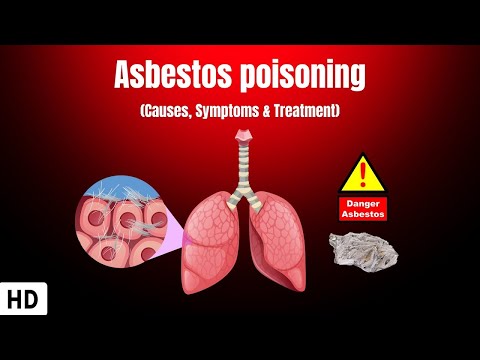
The information provided in this article is intended solely for general informational and educational purposes. It does not constitute medical advice, diagnosis or professional treatment, and should not be considered a substitute for consultation with a qualified doctor or other licensed healthcare professional. Any health-related decisions should be made in consultation with accredited medical professionals.
While efforts have been made to ensure the information is accurate and up to date, no guarantees are given—either express or implied—regarding its accuracy, completeness, currency or suitability. Use of this information is at your own discretion.
It is strongly recommended to consult official sources such as the NHS (National Health Service) or other recognised medical institutions before acting on any information contained on this website or article. Under no circumstances should professional medical advice be ignored or delayed due to content read here.
This content is of a general and informational nature only. It is not intended to replace individualised guidance from a healthcare professional or to establish any doctor-patient relationship. The publication of this information does not imply any professional responsibility, guarantee or obligation on the part of the author or this site.
Have you ever thought about what’s in the air you breathe? You might be surprised to learn that tiny fibers called asbestos can cause serious health problems. One of those issues is asbestosis, a lung disease that often goes unnoticed until it becomes a real concern.
This article is here to shed light on asbestosis—its symptoms, causes, and treatment options. It’s important because many people may have been exposed to asbestos without even knowing it. You see, it’s not just around; it’s often found in older buildings and materials.
If you’ve been feeling short of breath or experiencing a persistent cough, this could relate to asbestosis or another serious condition. Understanding these signs can be key to seeking help sooner rather than later.
But remember: this content doesn’t replace medical advice. It’s crucial not to make health decisions solely based on what you read here. Always consult with a healthcare professional for personalized guidance.
Finding Relief and Reclaiming Your Breath
Understanding Asbestosis: Symptoms, Causes, and Treatment Options
Asbestosis is a chronic lung disease caused by inhaling asbestos fibers. Many people might not realize how serious exposure to asbestos can be. When these fibers enter the lungs, they can cause scar tissue to form over time, which can lead to breathing difficulties.
Symptoms of Asbestosis
The symptoms typically develop gradually. At first, you might notice a persistent cough that just won’t go away. It’s often dry and may worsen over time.
Another common symptom is shortness of breath. You know, it’s that feeling when you try to take a deep breath but can’t quite fill your lungs completely. This often gets worse with physical activity.
People with asbestosis may also experience chest pain or a tightness in the chest area. Some may feel fatigued more easily than before. If you or someone you know has these symptoms, it’s important to keep track of when they occur.
Causes of Asbestosis
The leading cause? Exposure to asbestos fibers. These tiny fibers can become airborne and inhaled during certain occupations like construction or shipbuilding.
If asbestos is disturbed—like during renovations—it becomes even more dangerous. It’s good practice for older buildings to have assessments for asbestos presence if renovations are being planned.
Treatment Options for Asbestosis
While there’s no cure for asbestosis, there are ways to manage it effectively. Treatment usually focuses on relieving symptoms and preventing complications.
- Pulmonary rehabilitation:This is a program that helps improve breathing techniques and increases physical endurance.
- Medications:Your doctor might recommend medications like corticosteroids to reduce lung inflammation.
- Oxygen therapy:If the lungs aren’t getting enough oxygen, supplemental oxygen can make daily life easier for those affected.
Lifestyle changes also play an important role; quitting smoking if you’re a smoker is crucial since smoking worsens lung health considerably.
Finding Relief
This condition can be frustrating both mentally and physically. Clinical support groups provide safe spaces for sharing experiences with others who understand what you’re going through—they can help with emotional relief too!
If you’re worried about asbestosis or experiencing any symptoms mentioned above? Reaching out for medical advice from professionals who understand your concerns—whether that’s doctors or respiratory therapists—can make all the difference in managing this condition right?
Recognizing the Early Warning Signs of a Hidden Danger
Recognizing Early Warning Signs of Asbestosis
Asbestosis is a serious lung disease caused by inhaling asbestos fibers. It’s often linked to exposure in workplaces like construction or shipyard jobs, and often develops many years after exposure. So, knowing the early warning signs can make a big difference.
Symptoms to Watch For
One of the first signs might be shortness of breath. You know, it’s that feeling when you can’t catch your breath easily, especially during physical activities. At first, it may seem normal—something we all experience from time to time.
Coughing is another common symptom. Not just an occasional cough; we’re talking about a persistent one that doesn’t seem to go away. It’s like your body’s way of trying to clear something out but just can’t.
As asbestosis progresses, you might notice chest tightness or pain. It’s different from regular discomfort you sometimes feel after exercising too hard. This is more constant and can even affect your ability to breathe deeply.
Why It Matters
If you’re experiencing any of these symptoms, it’s important not to ignore them. Sometimes people write off their breathing issues as “just getting older” or “being out of shape.” But early detection could be crucial.
You see, once symptoms appear, it may mean that damage has already begun in your lungs. Catching the disease early can help in managing symptoms and improving quality of life.
Causative Factors
The key cause here is asbestos exposure. This material was widely used for insulation and fireproofing due to its strength and heat-resistance properties. However, it’s not safe at all; inhalation can lead to inflammation and scarring in lung tissue over time.
There are certain jobs where you’re at higher risk for exposure—if you’ve worked in industries like roofing, plumbing or even automotive repair done before regulations were put into place.
Treatment Options Available
While there’s no cure for asbestosis itself right now, treatment focuses on managing symptoms. Doctors might prescribe medication for inflammation or provide oxygen therapy if needed—this means using supplemental oxygen to help with breathing difficulties.
Lung rehabilitation programs could also help improve overall well-being by focusing on exercises that strengthen lung function while teaching techniques to conserve energy during daily activities.
- Every case is different—what works for one person may not work for another.
- You should always consult with healthcare professionals who understand your individual situation better than anyone else can.
A Final Word
If you’ve been exposed to asbestos in the past and are experiencing any troublesome symptoms related to breathing—it’s vital you don’t delay seeking medical advice! Remember that recognizing these early warning signs could be pivotal in addressing potential health issues sooner rather than later!
Uncovering the Hidden Triggers of a Silent Lung Disease
Understanding Asbestosis
Asbestosis is a lung disease caused by inhaling asbestos fibers. Asbestos is a material that was widely used in construction and insulation due to its durability and resistance to fire. Even though it’s now banned in many places, some buildings still contain it. This can be a real concern for those working in renovation or demolition.
So, what happens when you breathe in these fibers? Well, they can get trapped in the lungs and cause inflammation. Over time, this leads to scarring or stiffness of the lung tissue, which makes it harder for your lungs to work properly.
Symptoms to Look Out For
The symptoms of asbestosis often don’t show up until many years after exposure. It’s kind of like waiting for a delayed reaction. Common symptoms include:
- Shortness of breath
- Persistent cough
- Chest tightness
- Clubbing of fingers (where your fingertips swell)
If you notice these symptoms, especially after being exposed to asbestos, it’s important to talk with someone about it. Early detection can help manage the condition better.
Causes Behind Asbestosis
The main cause is obviously asbestos exposure. but not everyone who is exposed will develop asbestosis. It often depends on the amount and duration of exposure—like how long were you around it? Were you working directly with materials containing asbestos?
It’s worth noting that smoking can worsen the effects of asbestosis significantly. So if someone has been exposed and smokes, their risk for more severe issues increases a lot.
Treatment Options Available
Currently, there is no cure for asbestosis itself. Treatment usually focuses on easing symptoms and improving quality of life. This might involve:
- Lung rehabilitation therapy: helps strengthen your lungs through exercise.
- Meditations or breathing techniques: which can make breathing easier.
- Medication: like inhalers or steroids might be prescribed to reduce inflammation.
- Oxygen therapy: provides extra oxygen if levels are low.
Your doctor may also suggest lifestyle changes such as quitting smoking if you’re still puffing away—honestly, this helps improve lung function over time!
A Closing Thought on Awareness
Look, being informed about diseases like asbestosis is really important; knowledge empowers you! If there’s any chance you’ve been exposed to asbestos, don’t wait around hoping things will be fine; get screened or checked out sooner rather than later! Remember that awareness leads not only to better health choices but also potentially early intervention if needed!
Understanding Asbestosis: Symptoms, Causes, and Treatment Options
Asbestosis is a serious lung disease caused by the inhalation of asbestos fibers. These tiny fibers can get trapped in lung tissue, leading to scarring and damage over time. It’s important to really grasp what asbestosis is, since it can have significant health implications.
Symptoms
The symptoms of asbestosis can develop slowly, often taking decades to appear. People may experience shortness of breath, persistent cough, and chest tightness. Over time, these symptoms may worsen.
Sometimes, folks might notice their fingers becoming wider or rounder at the tips—this is called clubbing and can be linked to various lung issues.
Causes
The primary cause of asbestosis is prolonged exposure to asbestos. This mineral was widely used in construction and insulation materials due to its heat resistance. However, when those materials are disturbed or damaged, they release fibers into the air that can be inhaled.
It’s crucial for industrial workers or those living near old buildings—where asbestos might still exist—to be aware of this risk.
Treatment Options
Currently, there’s no cure for asbestosis. Treatment focuses on managing symptoms and improving quality of life. Pulmonary rehabilitation programs can be helpful; they include exercise training and education about lung health.
Medications like bronchodilators may ease breathing difficulties but aren’t a permanent solution. In severe cases, oxygen therapy or even surgery might be considered.
A supportive environment plays a key role too—often counseling or support groups can help individuals cope with the emotional aspects of living with chronic lung conditions.
Final Thoughts
You know? Understanding asbestosis is vital not just for those affected but also for society at large in order to prevent further exposure to asbestos. Knowledge about symptoms and treatment options empowers people to seek care early and live more comfortably with the illness.