The information provided in this article is intended solely for general informational and educational purposes. It does not constitute medical advice, diagnosis or professional treatment, and should not be considered a substitute for consultation with a qualified doctor or other licensed healthcare professional. Any health-related decisions should be made in consultation with accredited medical professionals.
While efforts have been made to ensure the information is accurate and up to date, no guarantees are given—either express or implied—regarding its accuracy, completeness, currency or suitability. Use of this information is at your own discretion.
It is strongly recommended to consult official sources such as the NHS (National Health Service) or other recognised medical institutions before acting on any information contained on this website or article. Under no circumstances should professional medical advice be ignored or delayed due to content read here.
This content is of a general and informational nature only. It is not intended to replace individualised guidance from a healthcare professional or to establish any doctor-patient relationship. The publication of this information does not imply any professional responsibility, guarantee or obligation on the part of the author or this site.
Understanding Atheroma: Causes, Symptoms, and Treatment Options
Have you ever heard the term “atheroma”? It might sound technical, but it’s more common than you think. Imagine someone you know who’s dealing with heart issues or high cholesterol; atheromas could be part of that story. They play a major role in cardiovascular health.
An atheroma is essentially a buildup of fatty deposits in your arteries. This buildup can restrict blood flow and lead to serious complications. Honestly, knowing about this condition can empower you to take control of your heart health.
This article will break down what atheromas are, how they form, and the symptoms to watch out for. You’ll also learn about treatment options available today so that you can discuss them with your doctor if needed.
Remember, this content isn’t meant as medical advice. Health decisions should always involve a conversation with your healthcare professional who knows your unique situation best.
So let’s dive into the details—understanding is the first step toward taking charge of our well-being!
Unlocking Health: Effective Solutions for Atheroma Management
Understanding Atheroma
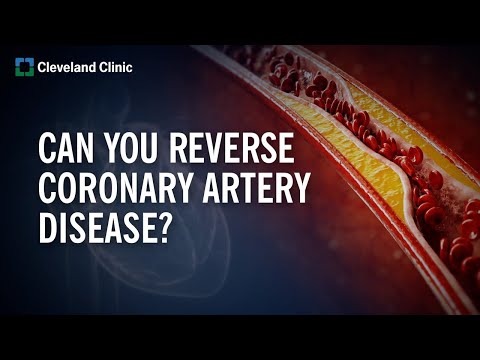
Atheroma is a type of buildup that occurs in the arteries. Imagine your blood vessels like tubes carrying water; if gunk accumulates inside, the flow gets restricted. This “gunk” consists of fat, cholesterol, and other substances. Over time, this buildup can harden and narrow the arteries, which is not good for your heart.
What Causes Atheroma?
The causes of atheroma are pretty straightforward when you break it down. High levels of cholesterol in your blood often play a major role. Factors like poor diet, lack of exercise, smoking, and diabetes contribute to rising cholesterol levels. Stress can also be a hidden culprit.
Think about it like this: if you keep feeding your body saturated fats and sugars without any physical activity to balance it out, you’re setting yourself up for some serious issues.
Recognizing Symptoms
The tricky part is that many people don’t have symptoms at first. You might feel perfectly fine until an artery gets really blocked. Sometimes people experience chest pain or tightness—this could be angina—and at other times they may feel shortness of breath.
If an atheroma causes a complete blockage or breaks open, it could lead to more severe problems like heart attack or stroke, which is why keeping track of risk factors is so important.
Treatment Options
Managing atheroma usually involves lifestyle changes and medications. Eating healthier foods can make a difference—more fruits and veggies are great! Regular exercise helps too; even walking can do wonders for your circulation.
- Medications: Doctors often prescribe statins to lower cholesterol levels.
- Surgery: In some cases where an artery is severely blocked, procedures like angioplasty may be needed to clear the blockage.
- Lifestyle changes: Quitting smoking and managing stress also play significant roles in treatment.
You know, it’s about building better habits over time rather than seeking quick fixes. Habits matter more than temporary solutions!
The Importance of Monitoring
If you’re at risk for heart disease or already dealing with atheromas, regular check-ups with healthcare providers are key. Blood tests can show cholesterol levels; monitoring those numbers helps guide what steps to take next.
This isn’t just about medications; it’s about understanding your body better too! Knowledge empowers you to make choices that benefit your health in the long run.
A Final Thought on Myths
There’s a common myth that once someone has high cholesterol or heart issues, there’s no turning back—this isn’t true! Many individuals manage their conditions effectively through lifestyle adjustments and regular support from healthcare teams.
Your health journey is unique; navigating through these challenges takes effort but isn’t impossible!
Recognizing the Warning Signs of Poor Circulation in Your Lower Limbs
Poor circulation in your legs and feet is something that many people experience, sometimes without even knowing it. When blood flow gets restricted, it can lead to a bunch of symptoms you might not want to overlook.
What are Atheromas?
Atheromas are fatty deposits that build up on the walls of your arteries. Think of them like a sludge buildup in a pipe. When these deposits grow, they can narrow your arteries and restrict blood flow, which is what you want to avoid.
Common Symptoms of Poor Circulation
You might experience cramps or pain when walking or exercising. This discomfort often eases up with rest but comes back when you’re active again. It’s kind of like your muscles sending a distress signal that they’re not getting enough oxygen.
- Numbness or tingling in the legs or feet
- Coolness in one leg compared to the other
- Swelling in the lower limbs
- Skin changes like redness or sores that don’t heal
Causes Behind Poor Circulation
The causes can vary quite a bit. A common culprit is atherosclerosis—the thickening and hardening of arteries due to fat deposits, like those lovely atheromas we mentioned earlier.
Your lifestyle plays a role too. Smoking, obesity, and lack of exercise often contribute to poor circulation. Even conditions like diabetes can mess with blood flow over time.
Treatment Options You Might Consider
If you’re dealing with symptoms, reaching out for help is important. Treatment can include lifestyle changes—like improving diet and increasing physical activity. Sometimes doctors prescribe medications to manage cholesterol levels or blood pressure as well.
- A heart-healthy diet rich in fruits, vegetables, and whole grains may be recommended.
- Quitting smoking helps improve overall circulation significantly.
- Your healthcare provider could also suggest physical therapy for targeted exercises.
The Importance of Early Intervention
Catching poor circulation early means you have more options for treatment and less chance for complications down the road. Regular check-ups are key! If you notice any signs mentioned above, don’t hesitate to talk about them with someone who can help.
You know? Taking care of yourself now could prevent bigger issues later on—it’s all about paying attention to what your body tries to tell you!
Understanding the Hidden Signs of Atheroma and What They Mean for Your Health
Understanding Atheroma: An Overview
Atheroma is a buildup of fatty deposits, cholesterol, and other substances in the arteries. Think of it like a clog in a drain. When this happens, blood flow gets restricted, which can cause serious health issues.
Arteries are the blood vessels that carry oxygen-rich blood from your heart to the rest of your body. If they narrow due to atheroma, it can lead to problems like heart disease or stroke.
Causes of Atheroma
So, what causes this buildup? Well, several factors play a role. High cholesterol levels can create fatty streaks. These streaks can develop into larger plaques if not managed.
- Poor diet high in saturated fats and sugars can increase bad cholesterol levels.
- Lack of exercise is another contributing factor—it’s like neglecting to clean out that drain!
- Smoking damages your arteries, making them more prone to atheroma formation.
- Conditions such as diabetes or high blood pressure also encourage plaque buildup.
Hidden Signs You Might Notice
The tricky part about atheroma is that you often don’t notice symptoms until it becomes serious. For example, if you’ve ever felt chest pain during exercise or intense stress, that could be an indicator that something’s off.
Other signs might include shortness of breath or fatigue with usual activities. Sometimes people even experience numbness or weakness in one arm or leg—these could signal issues with blood supply.
Why It Matters for Your Health
If left untreated, atheroma can lead to significant health risks. It’s not just about having clogged arteries; there’s potential for heart attacks and strokes too. Imagine how scary it would be if there’s an unexpected failure in your body’s plumbing!
Treatment Options Available
You might wonder what options you have once diagnosed with atheroma. The first line of defense usually involves lifestyle changes—this means adjusting your diet and increasing physical activity.
- Eating more fruits and vegetables while cutting down on processed foods helps lower cholesterol levels.
- Regular exercise strengthens your heart and improves blood flow—like clearing out debris from that metaphorical drain!
- If lifestyle changes aren’t enough, doctors may prescribe medications to help manage cholesterol levels or control blood pressure.
A Final Thought on Prevention
Taking steps now can go along way in preventing serious health consequences later on. Regular checkups are crucial! They help catch issues before they become crises.
Your health is vital—staying informed about things like atheroma empowers you to make better choices every day!
Understanding atheroma is crucial for anyone interested in cardiovascular health. Atheroma, which refers to the buildup of fatty deposits in the arteries, plays a significant role in heart disease.
So, what causes atheroma? It’s often related to lifestyle factors like poor diet, lack of exercise, and smoking. These habits can lead to cholesterol accumulation in artery walls. This occurs when low-density lipoprotein (LDL), often dubbed “bad cholesterol,” penetrates artery linings. Over time, this accumulation forms plaques that narrow arteries and restrict blood flow.
Now let’s talk symptoms. Atheroma itself may not show any signs until it becomes severe. Often people don’t realize they have it until experiencing chest pain or difficulty breathing during physical activity. Sometimes it can lead to more serious issues like heart attacks or strokes if a plaque ruptures.
Treatment options vary based on severity. Lifestyle changes—like improving diet and increasing physical activity—are foundational steps. Medications may also be prescribed to manage cholesterol levels or blood pressure. In some cases, procedures such as angioplasty or bypass surgery might be necessary to restore blood flow.
The important takeaway here is that understanding the risk factors and symptoms of atheroma can significantly impact prevention and treatment success. It’s always wise to consult healthcare professionals for personalized advice tailored to individual health needs.