The information provided in this article is intended solely for general informational and educational purposes. It does not constitute medical advice, diagnosis or professional treatment, and should not be considered a substitute for consultation with a qualified doctor or other licensed healthcare professional. Any health-related decisions should be made in consultation with accredited medical professionals.
While efforts have been made to ensure the information is accurate and up to date, no guarantees are given—either express or implied—regarding its accuracy, completeness, currency or suitability. Use of this information is at your own discretion.
It is strongly recommended to consult official sources such as the NHS (National Health Service) or other recognised medical institutions before acting on any information contained on this website or article. Under no circumstances should professional medical advice be ignored or delayed due to content read here.
This content is of a general and informational nature only. It is not intended to replace individualised guidance from a healthcare professional or to establish any doctor-patient relationship. The publication of this information does not imply any professional responsibility, guarantee or obligation on the part of the author or this site.
Have you ever felt unusually weak or noticed muscle pain and wondered what was happening? It might be easy to brush it off, but sometimes those signs can indicate something more serious. Polymyositis is one of those conditions that can sneak up on you.
This autoimmune disorder mainly affects your muscles, causing inflammation and weakness. It’s not just about feeling tired; it impacts daily life and activities you used to take for granted. You know how frustrating that can be.
In this article, we’ll break down the symptoms of polymyositis, explore what causes it, and discuss the treatment options available. Understanding this condition is crucial if you or someone you love is dealing with unexplained muscle issues.
Remember, though: while this information aims to provide clarity and support, it doesn’t replace talking to a healthcare professional. Health decisions are complex and should always involve a qualified expert who can guide you based on your unique situation.
Navigating Effective Strategies for Relief and Recovery
Understanding Polymyositis
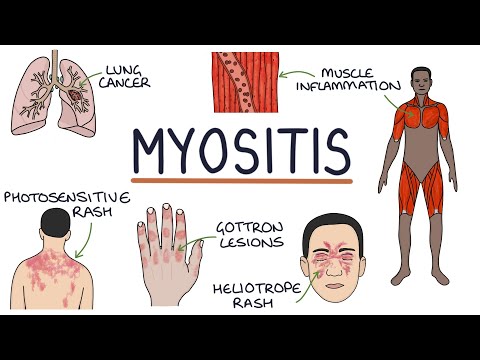
Polymyositis is a rare condition that causes muscle weakness and inflammation. It primarily affects the muscles closest to the trunk, like those in the hips, thighs, and shoulders. You may notice that everyday activities become difficult, such as lifting your arms or climbing stairs.
Symptoms of Polymyositis
The symptoms usually develop gradually. Early signs can include fatigue and muscle pain. Often people don’t realize it’s polymyositis at first. Perhaps you or someone you know has felt a decreasing strength in their muscles or maybe even experienced trouble swallowing.
- Weakness in specific muscle groups
- Pain in affected muscles
- Difficulty swallowing
- Fatigue after physical activity
Causes of Polymyositis
The exact cause of this condition remains unclear. Some researchers believe it may be related to autoimmune issues, where the body’s immune system mistakenly attacks its own muscle fibers. Genetics could also play a role, meaning it may run in families.
- Autoimmune disorders: conditions where your body attacks itself.
- Virus infections: some viruses might trigger this response.
- Genetic predisposition: if someone in your family has it, you might be at higher risk.
Treatment Options for Recovery
Treating polymyositis often requires a multi-faceted approach. The goal is to reduce inflammation and improve muscle strength. Common treatments involve medication and therapy but they’re not one-size-fits-all solutions.
Corticosteroids:
Corticosteroids are often prescribed to help reduce inflammation quickly. They can have side effects though, like weight gain or mood changes.
Immunosuppressants:
If corticosteroids aren’t enough on their own, doctors sometimes prescribe immunosuppressants to help with the autoimmune response.
Physical Therapy:
This can be vital for regaining strength and function over time; think of it as guided exercise tailored for your needs.
Lifestyle Adjustments for Relief
You know how sometimes small lifestyle changes can make a difference? Diet and rest play crucial roles too! Eating a balanced diet rich in vitamins can support overall health.
- Adequate rest: Your body needs time to heal; listen when it tells you to slow down!
- Nutritional support: Nutrients fuel your recovery process!
The Importance of Support Systems
Coping with higher levels of fatigue or weakness can affect emotional well-being too. Connecting with support groups or talking to friends about these challenges can really help lighten the load you carry.
You might find solace in sharing experiences with others facing similar battles.
This topic isn’t just medical—it’s about lives lived every day! Understanding polymyositis gives an insight into what is happening within the body while opening doors for more compassionate conversations around it all.
Unraveling the Mystery Behind Muscle Inflammation
Understanding Muscle Inflammation
Muscle inflammation can be a bit of a puzzle. It occurs when muscles become inflamed, which can lead to pain, weakness, and even swelling. Think of it like your body’s alarm system going off when it detects something wrong. Sometimes, this inflammatory response is a good thing—it helps heal injuries or fight infections. Other times, it can turn into a chronic problem.
Polymyositis Explained
One specific type of muscle inflammation is polymyositis. It’s an autoimmune condition where the immune system mistakenly attacks healthy muscle tissue. Imagine your body sending out its own soldiers to fight against your muscles instead of protecting them. This leads to weakness and discomfort.
Symptoms You Might Notice
The signs of polymyositis often sneak up on you. You might feel unusually weak in your arms or legs, making simple activities—like climbing stairs—feel really tough. Fatigue is another common symptom; it’s that bone-deep tiredness that makes you want to lie down all day.
- Muscle weakness
- Pain or tenderness in muscles
- Difficulty swallowing or speaking
- Fatigue and fever sometimes
What Causes Polymyositis?
The exact cause isn’t entirely clear, but genetics and environmental factors could play roles too. Some researchers think infections might kick off the inflammatory response in people who are genetically predisposed—meaning they have a family history of similar issues.
Treatment Options Out There
If you’re diagnosed with polymyositis, don’t worry; there are ways to manage it! Doctors often suggest corticosteroids to reduce inflammation and help improve muscle strength over time. These meds are powerful but come with side effects, so they need careful handling.
Physical therapy is another key element for recovery. It’s like having a personal coach helping you regain muscle function gradually through exercises tailored just for you.
Lifestyle Changes Matter Too!
You know how nutrition plays an important role in overall health? Eating well can support your healing process too! A balanced diet rich in antioxidants might help combat some inflammation.
Walking or engaging in gentle activities can also keep muscles active without overdoing it.
Understanding Your Condition Better
If you’re feeling lost with polymyositis or any muscle inflammation issue, connect with someone who understands these conditions well—a healthcare professional can guide you through the maze.
- Your situation matters: Everyone’s experience with muscle inflammation differs; what works for one may not work for another.
A supportive community: Sometimes talking with others facing similar challenges can provide comfort and encouragement.
Mysteries surrounding conditions like polymyositis remind us of the complexity within our bodies—and that’s okay! The more you learn about symptoms and treatments available now more empowered you’ll feel navigating this journey ahead!
Recognizing the Subtle Signs of Muscle Inflammation
Muscle inflammation can be tricky to spot at first. Sometimes, the signs are so subtle they blend into our daily lives. One common condition that involves muscle inflammation is polymyositis, an inflammatory disease that affects muscles all over the body. Let’s dive into what to look for.
Common Symptoms
The most obvious symptom of muscle inflammation is weakness. You might notice that lifting everyday objects feels harder than usual. Everyday tasks like climbing stairs or even getting out of a chair can become challenging.
Pain is another telltale sign, but it’s often mild at first. You may feel soreness in specific areas, or general discomfort when moving those muscles. It’s easy to brush this off as just getting older or maybe overdoing it during workouts.
Fatigue comes hand-in-hand with these symptoms too. If you find yourself tired after simple activities, it could be a subtle indicator your muscles are inflamed.
What Causes Polymyositis?
The exact cause of polymyositis isn’t entirely clear. It’s believed to be an autoimmune response where the immune system mistakenly attacks healthy muscle tissue. This might happen due to genetic factors or even infections that trigger this abnormal response.
What You Can Do
If you suspect you have these subtle signs of muscle inflammation, keep track of how you’re feeling over time. It’s important to note any patterns in your symptoms—when they flare up or if they worsen with specific activities.
See a healthcare provider who can help you’ve concerns about muscle weakness or pain confirming a diagnosis if necessary through tests or examinations.
Treatment Options
Treatment for polymyositis typically involves medications like corticosteroids to reduce inflammation and immune suppressants to manage the immune response. Physical therapy can help restore strength and improve flexibility.
- A well-rounded approach often includes lifestyle changes: proper diet and moderate exercise can aid recovery and maintain overall health.
The thing is, being aware of these subtle signs is essential for early intervention which may lead to better outcomes down the road! So listen to your body; it’s often trying to tell you something important.
Polymyositis is an inflammatory muscle disease that leads to muscle weakness. It primarily affects the skeletal muscles, which are the muscles we use for movement. Symptoms often include gradual muscle weakness, difficulty swallowing, and in some cases, skin rashes. It’s important to note that not everyone feels the same symptoms; some may experience them more severely than others.
The causes of polymyositis aren’t fully understood yet. Researchers believe it might involve a combination of genetic predisposition and environmental factors. Imagine your body’s immune system as a protective shield, sometimes it mistakenly attacks your own muscles instead of harmful germs. This misfiring can cause inflammation and damage.
Treatment options for polymyositis often focus on reducing inflammation and strengthening muscles. Corticosteroids are commonly prescribed to help control the immune response; think of them as anti-inflammatory warriors. Physical therapy also plays a key role in recovery by helping patients regain strength and mobility.
It’s crucial for those affected to stay informed and work closely with healthcare providers to manage this condition effectively. Support groups can be beneficial too—sharing experiences with others who understand can provide comfort and insights.