The information provided in this article is intended solely for general informational and educational purposes. It does not constitute medical advice, diagnosis or professional treatment, and should not be considered a substitute for consultation with a qualified doctor or other licensed healthcare professional. Any health-related decisions should be made in consultation with accredited medical professionals.
While efforts have been made to ensure the information is accurate and up to date, no guarantees are given—either express or implied—regarding its accuracy, completeness, currency or suitability. Use of this information is at your own discretion.
It is strongly recommended to consult official sources such as the NHS (National Health Service) or other recognised medical institutions before acting on any information contained on this website or article. Under no circumstances should professional medical advice be ignored or delayed due to content read here.
This content is of a general and informational nature only. It is not intended to replace individualised guidance from a healthcare professional or to establish any doctor-patient relationship. The publication of this information does not imply any professional responsibility, guarantee or obligation on the part of the author or this site.
Have you ever thought about how a simple drug test can seriously affect someone’s life? Imagine being denied a job because of a positive result, and yet you’ve never touched illegal substances. It’s more common than you might think. False positives can happen for many reasons, and understanding this can be crucial.
So, what exactly causes these misleading results? Sometimes it’s just as simple as cross-reactivity with medications or even certain foods. Other times, it can be a flaw in the testing process itself. It’s important to know that not all drug tests are created equal.
This article will explore the various causes of false positive drug tests in health. By breaking it down into easily digestible parts, I hope to shed light on why this issue matters to everyone—not just those facing testing at work or in sports.
Please keep in mind that while I’m sharing valuable information here, it doesn’t replace professional medical advice. Health decisions should always involve discussion with a healthcare professional who knows your specific situation.
A Step-by-Step Guide to Clearing Your Name and Protecting Your Future
Understanding False Positive Drug Tests
So, you got a positive result on a drug test, but you haven’t used any drugs. What gives? It can be really frustrating to deal with false positives. Let’s break down what can cause these results and what steps you might take next.
What is a False Positive?
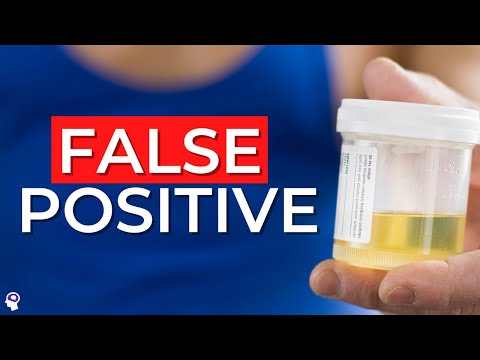
A false positive happens when a drug test indicates the presence of a substance that isn’t actually there. Picture this: it’s like thinking your phone is ringing, but it’s just your imagination. In the context of drug tests, it may lead to serious consequences at work or in legal situations.
Common Causes
- Medications: Some prescription and over-the-counter drugs can mimic illegal substances. For example, certain cold medications might show up as amphetamines.
- Food: Believe it or not, some foods can trigger false positives too! For instance, eating poppy seeds could lead to opiate detection.
- Medical Conditions: Certain health issues, like liver disease or diabetes, could impact how drug tests are processed in your body.
- Cross-Reactivity: Sometimes, the chemicals used in tests have “cross-reactivity.” This means they react to things other than the drug they’re supposed to detect.
Your Next Steps
If you find yourself facing a false positive result, don’t panic! First off, consider requesting a confirmatory test. This is typically more accurate and uses different methods like gas chromatography-mass spectrometry (GC-MS). It’s something along the lines of getting a second opinion at the doctor—just makes sense!
You might also want to gather evidence. Keep track of any medications or supplements you’ve taken recently. This info will be helpful if you need to contest the results later on.
The Importance of Communication
If you’re in an employment situation where this has come up – talk to HR or your supervisor about what happened. Being upfront shows integrity and honesty; most workplaces value that highly.
Avoiding Future Issues
You can minimize risk by being mindful of what you consume before any testing period. Always read medication labels and if you’re unsure about something affecting your health check with someone who knows more—like a pharmacist!
Mental Health Matters Too
Navigating through misunderstandings around drug tests can take an emotional toll. Be sure not just to look after your physical health but also your mental well-being during such times; connect with friends or family who support you.
The bottom line is that false positives are usually more common than people think and understanding why they happen will help you navigate things better if they occur in your life someday.
Uncovering Surprising Substances That Might Land You in Trouble
Understanding the Causes of False Positive Drug Tests
False positive drug tests can be confusing and frustrating. You might be thinking, “How could I fail a test for something I didn’t even take?” Well, let’s break it down.
What is a False Positive?
A false positive occurs when a test incorrectly indicates the presence of a substance. Imagine you’re baking cookies and you accidentally mix salt instead of sugar. The cookies taste bad, right? That’s kind of like what happens in a false positive: the outcome doesn’t match reality.
Common Substances Causing False Positives
Certain foods and medications can trigger these misleading results. For instance, consuming poppy seeds might make you test positive for opiates. It’s like eating a bagel that messes with your medical results!
- Poppy Seeds: They can contain small amounts of morphine.
- Certain Medications: Some over-the-counter drugs like cold medications may show up as amphetamines.
- Herbal Supplements: St. John’s Wort might affect how your body processes drugs.
The Role of Urine pH
Your body’s chemistry also plays a part. The acidity or alkalinity of urine (that’s basically the pH level) can influence test results. If it’s too acidic or too alkaline, it might skew the accuracy of what the test detects.
The Testing Process
You might not realize this, but drug tests are complex! They often start with an immunoassay—a fancy term for a kind of screening method. If this initial test is positive, they typically do a confirmatory test to double-check accuracy. This helps lower the chance that an innocent person gets caught up in something they didn’t do.
Mistakes and Misunderstandings
It’s easy to misunderstand why someone would get flagged in these tests. People sometimes think it’s about doing something wrong when often it’s just miscommunication in biology and technology. It raises an important question—how does society handle these outcomes?
The Importance of Communication
If you’re facing testing—whether for work or sports—transparency is key! Discuss any medications or supplements you’re taking with your employer or physician beforehand. It’s always better to clarify than to deal with surprise outcomes later on.
Conclusion: Staying Informed Is Key
The bottom line is that while drug tests serve crucial purposes, they’re not without their flaws. Understanding what can lead to false positives helps everyone be more informed and prepared—not just those getting tested but also employers and healthcare professionals alike!
Unexpected Foods That Could Land You in Hot Water with Drug Tests
What Are False Positive Drug Tests?
False positive drug tests happen when a test indicates you’ve used a substance you actually haven’t. This can be really frustrating, especially if you’re clean and still face consequences.
Many factors contribute to these results, including medications, foods, and even some vitamins. Some unexpected foods can sometimes trigger these tests, which is honestly surprising.
Unexpected Foods to Watch Out For
Let’s look at some common foods that could mess with your drug tests.
- Poppy Seeds: You might enjoy a bagel topped with poppy seeds for breakfast. Thing is, those tiny seeds come from the poppy plant, which also produces opiates. Eating them can lead to morphine showing up in your system.
- Soy Products: Foods like soy sauce or tofu may cause some false readings for marijuana in certain tests. It’s related to the compounds in soy that resemble THC—the main psychoactive compound in cannabis.
- Coca Tea: People drink coca tea in South America for its stimulant properties. However, it can also lead to a positive cocaine result because it’s derived from the coca leaf.
- Alcohol-Free Beer: Some alcohol-free beers contain small amounts of alcohol and might show up as positive for certain drugs if consumed in large quantities.
- Certain Fruits: Fruits like bananas and avocados contain trace amounts of substances that could affect urine drug tests due to their natural breakdown products.
The Science Behind It
You see, our bodies metabolize food differently. That means what you eat can affect how substances are processed and detected. Lab technicians look for specific markers; if food contains something similar enough to illicit drugs, it might cause confusion on the test results.
A Few Other Factors
Apart from food, other things can lead to false positives too. Your medications—over-the-counter ones included—could react with your test as well. Even certain supplements may show up as narcotics or amphetamines!
This can be problematic since individuals unaware of these interactions could face job loss or legal trouble based on misleading results.
The Bottom Line
If you’re having a drug test coming up and are unsure about what foods could impact it, maybe it’s best just to stick with safe choices for a while beforehand? Open communication about dietary habits is key if you’re ever questioned about test results.
And remember: understanding how food interacts with drug testing helps break down some of the confusion surrounding this topic!
False positive drug tests can be quite a concern in health settings. They occur when a test indicates the presence of a drug that isn’t actually there. For instance, imagine someone testing positive for THC, the psychoactive ingredient in marijuana, after consuming something as innocent as hemp seeds.
Understanding the causes is key. Certain medications can interfere with drug tests. Over-the-counter pain relievers like ibuprofen or some antibiotics have been known to cause false positives. It’s essential for healthcare providers to consider a patient’s full medication history when interpreting results.
Food can also play a role, as I mentioned with those hemp seeds. Some foods contain compounds that may mimic drugs in tests. This shows us how diverse the reasons for false positives can be.
Cross-reactivity is another factor to understand. This occurs when a test detects substances that are chemically similar to the target drug but aren’t actually it. This issue highlights why it’s so important to confirm initial results with more specific testing methods.
Healthcare professionals need to approach this topic with sensitivity and awareness, understanding that patients may feel anxious about testing outcomes. Clear communication and further testing are crucial steps in addressing any discrepancies in test results.
In reflecting on causes of false positive drug tests, it’s clear we must continually educate ourselves and others within our field about these complexities.