The information provided in this article is intended solely for general informational and educational purposes. It does not constitute medical advice, diagnosis or professional treatment, and should not be considered a substitute for consultation with a qualified doctor or other licensed healthcare professional. Any health-related decisions should be made in consultation with accredited medical professionals.
While efforts have been made to ensure the information is accurate and up to date, no guarantees are given—either express or implied—regarding its accuracy, completeness, currency or suitability. Use of this information is at your own discretion.
It is strongly recommended to consult official sources such as the NHS (National Health Service) or other recognised medical institutions before acting on any information contained on this website or article. Under no circumstances should professional medical advice be ignored or delayed due to content read here.
This content is of a general and informational nature only. It is not intended to replace individualised guidance from a healthcare professional or to establish any doctor-patient relationship. The publication of this information does not imply any professional responsibility, guarantee or obligation on the part of the author or this site.
Have you ever wondered how a simple swab can tell so much about someone’s drug use? It’s pretty fascinating, right? Mouth swab drug tests, also known as saliva tests, are becoming more common these days. They’re used in workplaces, schools, and even at home for various reasons.
The main appeal of these tests is their convenience. Just a quick swab on the inside of your cheek can reveal recent substance use. This article is going to break down how these tests work, their accuracy, and why they might be used in first place.
You might have concerns about privacy or the reliability of the results. That’s totally normal! Understanding what goes on during a mouth swab test can really help alleviate some of those worries. We’ll tackle common questions that pop up around these tests so you can feel more informed.
Remember, while this information is helpful, it doesn’t replace professional medical advice. Health decisions should always involve discussions with a healthcare provider to ensure you’re getting the best guidance possible.
Quick Strategies to Clear Your System Fast
Understanding Mouth Swab Drug Tests
Mouth swab drug tests, sometimes called saliva tests, are a common way to check for drug use. They’re non-invasive, which means they don’t involve needles or blood. Instead, a tester collects saliva from the inside of your mouth using a swab. It’s pretty simple and quick.
Accuracy of Mouth Swab Tests
You might wonder how accurate these tests really are. Generally speaking, they can detect drugs for a shorter period compared to other methods like urine or blood tests. Usually, they’re good at identifying recent use—often within the last few hours to a few days.
Lets say someone takes marijuana; a mouth swab test is likely to pick this up within 1-3 hours after smoking. However, if it’s been longer since usage, the chances of detection drop significantly.
Uses of Mouth Swab Tests
- They’re often used in workplaces for pre-employment screenings.
- Law enforcement may use them during traffic stops to check for impairment.
- They help in rehabilitation settings to monitor recovery progress.
Quick Strategies to Clear Your System
If you’re looking into “quick strategies” for clearing drugs from your system before a test, there’s quite some misconception out there. You know? Many people think that certain drinks or tricks can speed things up immensely—like using detox drinks or cranberry juice—when in reality it isn’t that straightforward.
The body has its natural way of detoxifying itself over time through metabolism and excretion processes. Staying well-hydrated is essential; drinking water may help flush out substances but don’t expect miracles overnight…
Myths about Detoxing Before Tests
- Cranberry Juice: It’s often thought that this can purge drugs quickly—but it doesn’t work like magic!
- Pills/Detox Kits: Some products claim fast results but usually lack solid evidence backing their efficacy.
- Sweating: While exercise helps with overall health, it won’t prominently clear drugs from your system quickly enough for an upcoming test.
The Bottom Line
If you’re expecting immediate results from those tricks people talk about online—well—you might want to manage your expectations. If you have concerns about drug testing and its consequences on life choices or careers, consider seeking support systems or professional advice rather than relying solely on quick fixes.
The key takeaway here is understanding the limits of mouth swab drug tests and what truly influences drug detection times in your body. Remember: each person’s metabolism is different—and what works for one might not work for another!
Uncovering the Truth About Detection Times for Oral Drug Tests
Understanding Mouth Swab Drug Tests
Mouth swab drug tests, also known as saliva tests, are becoming more popular for detecting drug use. They’re often used because they’re non-invasive and easy to administer. But do you know how these tests work and their accuracy?
How Do Mouth Swab Tests Work?
These tests collect saliva from the mouth using a swab or sponge. This sample is then analyzed for traces of drugs. The great thing about saliva is that it can indicate recent drug use, usually within the last few hours to a few days.
Think of your mouth like a sponge for what you’ve ingested; it holds small amounts of substances that enter your body. When you consume drugs, they can show up in your saliva quickly, making it useful for testing recent use.
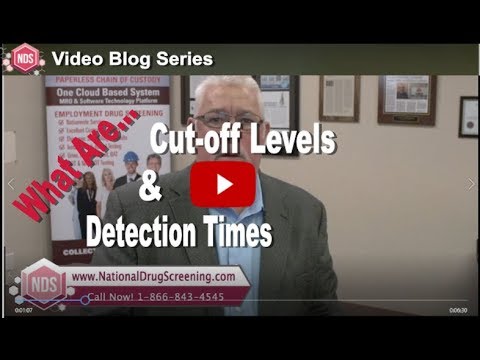
Detection Times
Detection times vary depending on the substance being tested. For example:
- Cannabis: Usually detectable for 1 to 3 days after use.
- Cocaine: Can show up within 1 to 2 days.
- Amphetamines: Often found in saliva for about 1 to 2 days.
This means if someone had used cannabis a week ago, it’s unlikely that a mouth swab test would still detect it.
Accuracy Concerns
You might wonder—how accurate are these tests? Well, they have a pretty good track record but are not infallible. Factors like the test brand and the person’s hydration levels can affect results. If someone drinks lots of water right before testing, it might dilute their saliva and potentially lower drug levels detected.
Additionally, false positives can occur—it’s when the test shows drug presence even if someone hasn’t used them. This could happen due to cross-reactivity with other substances in the body or medications taken by the person being tested.
Limitations of Mouth Swab Tests
Mouth swab tests aren’t designed to detect long-term drug use. They ideally just help identify recent consumption; so if you’re looking at historical patterns or chronic use, blood or urine tests may be more suitable options.
The Big Picture
If you’re facing a mouth swab test or just want clarity on how these things work In your life, knowing how they function and their detection capacities can offer peace of mind—or at least an understanding of what’s at stake!
The important takeaway here is awareness; understand what affects detection times and how accurate results can be affected by several factors. It’s always good to stay informed about these things!
Uncovering Hidden Factors That Could Affect Your Results
Understanding Mouth Swab Drug Tests
Mouth swab drug tests, also known as oral fluid tests, collect saliva to detect drugs in your system. They’re gaining popularity because they’re easy to administer and less invasive than blood tests.
How Do They Work?
When you take a mouth swab test, the tester rubs a small stick inside your cheek or under your tongue. Saliva gets collected on the stick, which is later analyzed for drug residue. It’s kind of like getting a taste of something before eating it—you’re basically tasting what’s in your system.
What Factors Can Affect Results?
Several hidden factors can mess with the accuracy of these tests. First off, how much time has passed since drug use matters. Saliva tests usually only detect recent substance use—typically within 24 to 48 hours.
Then there’s hydration. If you’re super hydrated or have just drunk water right before the test, it might dilute the saliva sample. This could lead to false negatives, where drugs aren’t detected even if they’re present in your body.
The Role of Medications
If you’re taking prescription medications, these can cause confusion during testing too. Some substances found in common medications can trigger positive results for drugs you haven’t used at all! This happens with certain cold medicines or pain relievers—kind of like an unexpected guest crashing your party.
Mouth Hygiene Matters
Your mouth’s cleanliness can also play a role. If you’ve recently eaten or smoked prior to the test, food particles or tobacco may interfere with results as well. It’s similar to when you try to take a photo and there’s something smudging the lens; it just doesn’t come out clear.
Timing of Drug Use
The type of drug and its detection window are important too. For instance, marijuana might be detectable for longer periods compared to cocaine—which clears from saliva more quickly. It’s like tracking how long different drinks stay fresh; some last days while others spoil quicker.
What Should You Keep in Mind?
- The timing between drug use and testing significantly matters.
- Stay aware of medications that could interfere with results.
- Mouth hygiene plays a crucial role too—be mindful!
- Hydration is important but don’t overdo it right before testing.
If you’re worried about a mouth swab test affecting you unfairly due to any hidden factors discussed here, it’s worth having an open conversation about this with someone who understands these nuances better.
Always prioritize understanding over assumptions when it comes to health assessments!
Mouth swab drug tests, also known as saliva tests, have gained popularity for their convenience and non-invasive nature. They work by analyzing the saliva for traces of drugs like marijuana, cocaine, and opiates. One of the key advantages is that they can detect recent use—usually within a few hours to a couple of days. This immediacy can be essential in many situations.
In terms of accuracy, these tests are generally reliable but not infallible. Factors such as hydration levels and oral hygiene can influence results. For instance, a person who drinks a lot of water might dilute their saliva, potentially affecting the test outcome. While false positives or negatives can occur, they are typically less common with confirmatory testing methods.
The use cases for mouth swab tests are diverse; they’re used in workplaces for employee drug screening, in rehabilitation settings, and even law enforcement during traffic stops when impairment is suspected. They offer a quick way to ensure safety but should be seen as one piece of a larger puzzle.
Overall, understanding how these tests work and their limitations helps reduce misconceptions surrounding them. It’s important to approach the topic with an open mind and consider that no single testing method is perfect on its own.