Understanding ovulation and fertility can feel like navigating a complex maze. But don’t worry; you’re not alone on this journey. Learning the ins and outs of your reproductive health is empowering and can pave the way for informed decisions about family planning.
Everyone’s fertility story is unique, influenced by various factors such as age, lifestyle, and even emotional well-being. Just like tuning into the rhythm of your favorite song, mastering ovulation involves paying attention to your body’s signals. Whether you’re trying to conceive or simply want to understand your cycle better, you’re taking a vital step towards mastering your health.
However, it’s essential to approach this topic carefully. Information about fertility can vary greatly depending on sources; not everything online is accurate or applicable to you. Always seek insights from different specialists and trusted media outlets. This will help ensure you receive balanced, evidence-based information tailored to your individual needs. Stay curious, stay informed, and know that your journey towards understanding ovulation and fertility is worthwhile!
The information provided in this article is intended solely for general informational and educational purposes. It does not constitute medical advice, diagnosis or professional treatment, and should not be considered a substitute for consultation with a qualified doctor or other licensed healthcare professional. Any health-related decisions should be made in consultation with accredited medical professionals.
While efforts have been made to ensure the information is accurate and up to date, no guarantees are given—either express or implied—regarding its accuracy, completeness, currency or suitability. Use of this information is at your own discretion.
It is strongly recommended to consult official sources such as the NHS (National Health Service) or other recognised medical institutions before acting on any information contained on this website or article. Under no circumstances should professional medical advice be ignored or delayed due to content read here.
This content is of a general and informational nature only. It is not intended to replace individualised guidance from a healthcare professional or to establish any doctor-patient relationship. The publication of this information does not imply any professional responsibility, guarantee or obligation on the part of the author or this site.
Unlocking the Secrets of Your Reproductive Cycle
Understanding your reproductive cycle can feel like unlocking a mystery, but it’s actually quite straightforward once you break it down. This knowledge is essential for mastering ovulation and improving fertility.
Your cycle typically lasts about 28 days, but it can range from 21 to 35 days. The cycle is divided into phases: menstrual, follicular, ovulation, and luteal. Each phase has distinct hormonal changes that prepare your body for potential pregnancy.
The menstrual phase occurs at the start of the cycle. During this time, the lining of the uterus sheds if no fertilization takes place. You might experience bleeding that lasts from 3 to 7 days.
The follicular phase overlaps with menstruation and begins on day one of your cycle. During this phase, several follicles in the ovaries are stimulated by hormones to grow. One of these will mature into an egg.
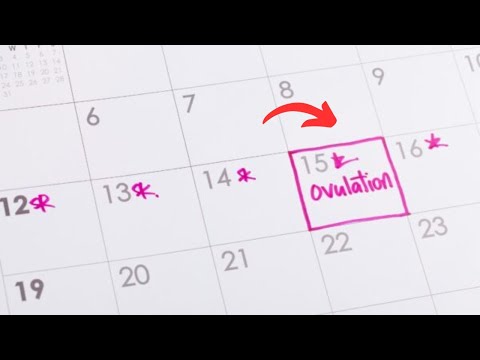
Around day 14 of a typical cycle is when ovulation occurs. This is when a matured egg is released from the ovary into the fallopian tube. It’s often referred to as the most fertile time in your cycle because if sperm is present, fertilization can happen.
Following ovulation is the luteal phase. This lasts about 14 days and prepares the body for pregnancy. The ruptured follicle transforms into a structure called the corpus luteum which produces hormones to maintain a potential pregnancy.
If fertilization does not occur, hormone levels drop and you enter back into menstruation, starting another cycle.
Here are some key points related to ovulation and fertility:
It’s important to know that cycles vary greatly among individuals. External factors like stress or illness can influence how regular they are.
Many myths surround fertility too. For instance, some believe you can’t get pregnant during your period or only during specific days of your cycle—but sperm can live for several days in a woman’s reproductive tract!
Additionally, while tracking cycles can help with conception efforts or understanding health trends, it’s not foolproof for avoiding pregnancy or guaranteeing conception success.
The more knowledge you equip yourself with about your reproductive health, the better decisions you can make regarding family planning and overall wellness. Always consider discussing any concerns with someone who understands reproductive health if you’re looking for specific guidance tailored to you!
Unlocking the Secrets to Boosting Your Reproductive Health
Understanding your reproductive health can feel like unraveling a mystery. One key aspect of this health is ovulation. Let’s explore some important insights into boosting your fertility.
First, knowing your cycle is essential. The menstrual cycle typically lasts about 28 days, but can vary from person to person. Ovulation usually occurs around the middle of the cycle, when an egg is released from the ovaries. This is your best time for conception.
Tracking ovulation can be helpful. Many people use calendars or apps to monitor their cycle. Look for signs like changes in cervical mucus or slight temperature shifts in your body. These clues may hint that ovulation is near.
Nutrition plays a big role too! A balanced diet rich in fruits, vegetables, whole grains, and lean proteins supports overall health. Folic acid, found in leafy greens and fortified foods, is especially important for reproductive health.
It’s also wise to consider weight management. Being underweight or overweight can disrupt hormonal balance and affect ovulation. Aim for a healthy weight through diet and exercise that feels good for you.
Stress management matters as well. High stress levels can interfere with hormone production and lead to irregular cycles. Techniques like yoga, meditation, or simply taking time out can help relax your mind and body.
Don’t forget about sleep! Quality sleep helps regulate hormones that are crucial for reproductive health. Aim for 7-9 hours each night whenever possible.
Lastly, avoid smoking and limit alcohol consumption if you’re thinking about conceiving. Both can negatively impact fertility in both men and women.
In summary:
These steps may help you better understand how to support your reproductive health over time. Remember that every individual’s journey is different; what works for one person may not work for another! Keep learning about your body and stay open to seeking guidance if needed.
Unlocking the Secrets of Your Cycle and Its Role in Reproductive Health
Understanding your menstrual cycle can feel like decoding a secret language. It’s all about balance and timing, playing a crucial role in reproductive health.
Every month, the body goes through hormonal changes that prepare it for a potential pregnancy. The menstrual cycle typically lasts about 28 days, but it can vary from person to person.
Menstruation is just one part of the cycle. It usually lasts between three to seven days and marks the beginning of the new cycle. During this time, the lining of the uterus sheds if no pregnancy occurs.
After menstruation, follicular phase kicks in. Hormones called estrogen rise to help prepare an egg for release. This phase ends with ovulation.
Ovulation is when a mature egg is released from the ovary. This typically happens around day 14 in an average cycle but can vary widely. Think of it like opening a gift box—you never know exactly when it will happen until the moment arrives.
After ovulation comes the luteal phase, where progesterone levels increase to maintain a possible pregnancy. If fertilization doesn’t happen, hormone levels drop, leading back to menstruation.
Here are some key insights into your cycle and fertility:
Being attuned to your body is essential for understanding these phases better. Tracking your symptoms can provide valuable insights into your reproductive health.
There are myths around cycles too. For example, many believe that you can’t get pregnant during your period—but sperm can survive for several days inside the female body!
Also, not everyone has 28-day cycles; irregularities are common and don’t always signify problems. Factors like stress or diet play significant roles in these fluctuations.
If you’re looking at conception or contraception methods, knowledge about these cycles empowers informed choices but does not replace professional medical advice.
In conclusion, getting familiar with your menstrual cycle’s phases promotes awareness of your body’s functions and supports better reproductive health decisions!
“Mastering Ovulation and Fertility: Key Insights for You” is a thought-provoking exploration of the intricate processes involved in ovulation and fertility. This topic resonates with many individuals and couples looking to understand their reproductive health better.
It’s essential to grasp that ovulation is a natural monthly cycle where an ovary releases an egg. Understanding this cycle can empower individuals, especially those trying to conceive. Recognizing signs of ovulation, such as changes in cervical mucus or body temperature, can significantly improve the chances of conception.
- Self-awareness is crucial. Knowing your cycle helps you track fertile windows effectively.
- Nurturing health through a balanced diet, regular exercise, and managing stress can enhance fertility.
- Myths debunked: It’s important to challenge common misconceptions about fertility that can lead to unnecessary anxiety or misinformation.
The conversation around fertility should be approached with compassion and understanding, as it often touches on deeply personal experiences. Moreover, it’s vital to emphasize that while knowledge is empowering, seeking professional advice tailored to individual circumstances is equally important.
In summary, proficiency in understanding one’s ovulation cycle fosters informed decisions regarding reproduction and overall health awareness. Empowerment through education leads to healthier choices and encourages open discussions about fertility challenges without stigma or fear.