Have you ever noticed a swollen bump on your skin after a minor injury? That could be a hematoma. These often-misunderstood collections of blood can occur in various situations and might leave you wondering what exactly is going on beneath the surface. Understanding hematomas is essential for recognizing their types, knowing their causes, and exploring treatment options.
In this article, we’ll break down what hematomas are, how they form, and what’s available for healing them. Think of it as a friendly guide to help you navigate this intriguing health topic. Whether it’s from a bump on the head or bruises after an intense workout, knowing how to handle these situations can empower you to make informed decisions about your health.
However, it’s crucial to approach this information with care. While learning about hematomas through this article can provide valuable insights, relying solely on one source can be misleading. Always consider consulting with healthcare professionals and cross-reference information from reputable sources. Everyone’s body is different; what works for one person may not work for another. Stay curious but cautious!
The information provided in this article is intended solely for general informational and educational purposes. It does not constitute medical advice, diagnosis or professional treatment, and should not be considered a substitute for consultation with a qualified doctor or other licensed healthcare professional. Any health-related decisions should be made in consultation with accredited medical professionals.
While efforts have been made to ensure the information is accurate and up to date, no guarantees are given—either express or implied—regarding its accuracy, completeness, currency or suitability. Use of this information is at your own discretion.
It is strongly recommended to consult official sources such as the NHS (National Health Service) or other recognised medical institutions before acting on any information contained on this website or article. Under no circumstances should professional medical advice be ignored or delayed due to content read here.
This content is of a general and informational nature only. It is not intended to replace individualised guidance from a healthcare professional or to establish any doctor-patient relationship. The publication of this information does not imply any professional responsibility, guarantee or obligation on the part of the author or this site.
Exploring the Varied Forms of Hematomas and Their Impacts on Health
Hematomas can be a bit confusing. They are localized collections of blood outside of blood vessels, usually caused by injury or trauma. When the body experiences a bump or a fall, blood vessels can break and leak blood into surrounding tissues.
There are several types of hematomas, each with unique characteristics and potential health impacts. Understanding these is key to knowing how they affect health.
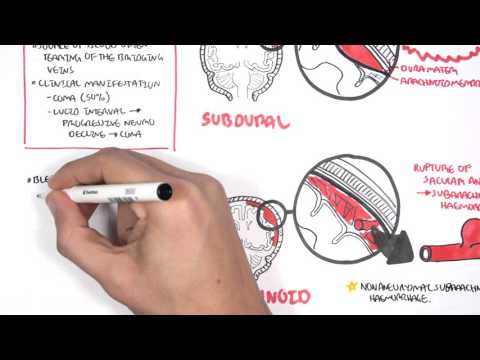
Subdural Hematoma: This occurs in the space between the brain’s surface and its outer covering. Often seen in older adults or after head injuries, it can lead to pressure on the brain, causing symptoms like headaches or confusion.
epidural hematoma: This happens when blood collects between the skull and the outer layer of the brain. It often follows a skull fracture from a violent blow to the head. Symptoms may develop quickly, including loss of consciousness followed by confusion.
Intramuscular Hematoma: Sometimes referred to as a deep bruise, this type occurs within muscle tissue due to trauma. It can cause swelling and pain at the site but often heals on its own with rest and ice.
Subungual Hematoma: This is when blood collects under a fingernail or toenail, usually from smashing it in something heavy. It can be quite painful but may resolve as the nail grows out.
The treatment for hematomas varies based on type and severity.
It’s important not to overlook any persistent symptoms following an injury, regardless of how minor it seems at first glance. Monitoring any unusual changes like increased pain, swelling, or neurological symptoms is crucial since they may indicate complications that need attention.
In summary, while hematomas are often harmless and heal naturally over time, some can pose serious risks depending on their location and size. Awareness is key in managing them effectively!
Exploring Effective Ways to Manage and Heal Hematomas
Hematomas are a common condition where blood collects outside of blood vessels, usually due to an injury. They can vary in size and intensity, and their management depends on several factors. Let’s explore effective ways to manage and heal hematomas.
First, it’s important to know the types of hematomas. Some of the most common include:
Understanding where the hematoma is located helps determine how to treat it.
Most small hematomas resolve on their own. However, several methods can help speed up healing and ease discomfort. One key strategy is using the R.I.C.E method:
Over-the-counter pain relief such as acetaminophen or ibuprofen may help with any discomfort. Always follow instructions on dosage.
Sometimes, larger or more serious hematomas may require medical attention. If you notice intense pain, increasing swelling, or changes in sensation around the area, seek professional advice.
Nutrition also plays a role in recovery. Consuming foods rich in vitamin K (like leafy greens) can support blood health. Staying hydrated is equally important for overall recovery.
Additionally, be cautious about certain activities after sustaining an injury. Engaging in contact sports too soon could worsen existing injuries or cause new ones.
Myth debunking time! Some people believe applying heat immediately after an injury helps with healing. In fact, heat should only be used after initial swelling has decreased—typically around 48 hours post-injury.
Managing stress is also crucial during recovery as stress can slow down healing processes. Gentle yoga or meditation may provide benefits without requiring much physical exertion.
Lastly, remember that while self-care strategies are helpful for minor cases, always listen to your body and consult with healthcare professionals for conditions that feel severe or unusual. Your health should always be a top priority!
Uncovering the Surprising Factors Behind Blood Clots and Skin Discoloration
Understanding blood clots and skin discoloration can be enlightening. Often, these occurrences are related to each other, especially when it comes to hematomas.
A **hematoma** is basically a collection of blood outside of blood vessels. Think of it as a bruise that forms when blood leaks into surrounding tissue. This can happen after an injury or even without any noticeable cause.
There are several types of hematomas:
So, what causes these hematomas? Well, they can arise from various factors.
First is trauma; a bump or fall can easily cause bleeding under the skin. Sometimes even minor injuries lead to significant bruising if you have fragile blood vessels.
Another factor is certain medical conditions. For instance, people with clotting disorders might find themselves getting hematomas more easily because their bodies don’t stop bleeding efficiently.
Medications also play a big role. Blood thinners like warfarin reduce your body’s ability to form clots effectively. This means even a harmless knock could result in a larger-than-normal bruise.
Now let’s talk about skin discoloration. Hematomas often show up as dark purple or blue spots on the skin. As they heal, you may notice colors changing—from purple to greenish yellow—as your body breaks down the trapped blood.
It’s fascinating how our bodies work this way! The healing process involves enzymes that break down hemoglobin, which gives the blood its color initially.
You might wonder when to seek help. If you’re getting frequent or unexplained bruises, it’s worth discussing with someone who knows about health matters. It could indicate an underlying issue that needs attention.
Assessing risk factors is also important. A sedentary lifestyle contributes to poor circulation, which may increase susceptibility to clots over time.
In summary, recognizing hematomas and understanding their causes helps in taking better care of our health. Knowing what factors come into play allows for informed choices and discussions around personal health risks and management strategies.
Remember, your body communicates changes through symptoms like bruising and discoloration—pay attention!
Understanding hematomas is essential for recognizing how our bodies respond to injury and managing those responses effectively.
Types of Hematomas: Hematomas can occur in different areas of the body, leading to various classifications. The most common are:
Each type has unique presentations and implications for treatment.
Causes: Hematomas generally result from trauma. However, they can also arise from conditions like blood clotting disorders or certain medications that affect bleeding. Understanding these causes helps in prevention and takes urgency out of cases that may not need immediate intervention.
Treatment Options: Treatment varies based on severity. Many minor hematomas require little more than rest and ice. More significant cases might need medical intervention like drainage or surgery.
Recognizing symptoms early, such as swelling or discoloration, is key to effective management. Education about these factors empowers individuals to make informed decisions regarding their health.
In summary, comprehending the types, causes, and treatments of hematomas enhances awareness about bodily injuries and promotes proactive healthcare approaches.