The information provided in this article is intended solely for general informational and educational purposes. It does not constitute medical advice, diagnosis or professional treatment, and should not be considered a substitute for consultation with a qualified doctor or other licensed healthcare professional. Any health-related decisions should be made in consultation with accredited medical professionals.
While efforts have been made to ensure the information is accurate and up to date, no guarantees are given—either express or implied—regarding its accuracy, completeness, currency or suitability. Use of this information is at your own discretion.
It is strongly recommended to consult official sources such as the NHS (National Health Service) or other recognised medical institutions before acting on any information contained on this website or article. Under no circumstances should professional medical advice be ignored or delayed due to content read here.
This content is of a general and informational nature only. It is not intended to replace individualised guidance from a healthcare professional or to establish any doctor-patient relationship. The publication of this information does not imply any professional responsibility, guarantee or obligation on the part of the author or this site.
Have you ever felt a nagging ache on the outer side of your hip? You’re not alone. Outer hip pain is actually pretty common, and it can seriously disrupt your daily life. You know, whether it’s that twinge you notice while bending down to tie your shoes or a persistent discomfort when sitting for too long, it can be tough to ignore.
This article dives into the causes of outer hip pain and what treatment options are out there. We’re talking about everything from simple muscle strains to more complex conditions like bursitis or tendonitis. You might be wondering—why does this matter? Understanding what’s causing your pain can empower you to take action and find relief.
We’ll cover some practical tips and insights that could help alleviate discomfort, but remember—this content doesn’t replace medical advice. Health decisions shouldn’t be based solely on articles like this; always consult a healthcare professional if you’re experiencing ongoing or severe pain.
Your comfort matters, so let’s get into the details together!
Uncovering the Hidden Factors Behind Discomfort in Women’s Hips
Understanding Outer Hip Pain
Discomfort in the outer hip can be more common than you might think, especially among women. But what really causes it? Let’s break it down.
Common Causes of Outer Hip Pain
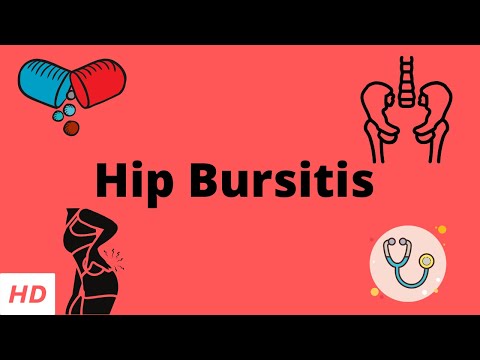
One major cause is bursitis. Bursae are small fluid-filled sacs that help reduce friction between bones and soft tissues. When they get inflamed, it can lead to pain on the outer side of your hip.
Another factor could be tendonitis, which happens when tendons—those tough cords connecting muscles to bones—become irritated or inflamed.
Ever heard of IT band syndrome? This occurs when the iliotibial band, a strip of tissue running along the outside of your thigh, gets tight and pulls on the area near your hip. It’s often associated with overuse or repetitive movements.
Injuries and Other Conditions
Iguana injuries from falls or slips might also result in hip discomfort. Even minor tweaks can lead to aches later on.
You should know that arthritis can contribute to this discomfort as well. Osteoarthritis is quite common and it happens when cartilage—the cushion at joints—wears down over time.
Lifestyle Factors Play a Role
Your daily habits significantly impact hip health. If you’re sedentary or have poor posture while sitting, that can put pressure on your hips leading to discomfort.
- Poor footwear might also contribute; if you’re wearing bad shoes, it changes how you walk and puts extra stress on your hips.
- Weight gain can influence joint health too; excess weight adds strain to your hips.
- A lack of strength in core muscles may alter balance and stability affecting how you carry yourself.
Treatment Options for Outer Hip Pain
If you’re experiencing this kind of pain, rest is often one of the first steps. It gives your body time to heal without additional strain.
Ice packs can help with inflammation; just apply them for about 15-20 minutes at a time, but always wrap them in a cloth so they don’t damage your skin!
- Gentle stretches might ease tightness; think about yoga or physical therapy exercises tailored for hip flexibility.
- Your healthcare provider may also suggest anti-inflammatory medications if warranted but make sure you discuss benefits and risks first!
The Importance of Movement
You know what? Even though moving might feel uncomfortable at times, gentle movement actually promotes healing! Walking and low-impact activities like swimming can keep those joints functioning smoothly without putting too much pressure on them.
When to Seek Help
If discomfort lingers despite home treatments or worsens over time, it’s worth getting evaluated by a healthcare professional. They could check for underlying issues that might need special attention or intervention.
The thing is: listen to your body! Pay attention if something feels off—earlier action often leads to better outcomes down the road!
Understanding Your Discomfort: Insights into Left Hip Pain in Women
Understanding Left Hip Pain in Women
Left hip pain can be troublesome, right? Especially for women, it might begin to interfere with everyday life. There are several reasons why someone might feel discomfort in that area.
Common Causes of Left Hip Pain
Let’s start with the basics. One common cause is something called bursitis. Picture small, fluid-filled sacs acting like cushions between bones and tissues. When they become inflamed, it leads to pain.
Another reason could be arthritis. It’s a condition where the cartilage—the protective tissue on the ends of bones—wears away over time. Imagine a worn-out tire; it just doesn’t function as well anymore.
Tendinitis is also worth mentioning—it occurs when tendons (the cords connecting muscles to bones) get inflamed or irritated. This can happen from repetitive use or strain.
The Role of Hormones
Women’s hormones can play a significant part too. For instance, during menopause, estrogen levels drop, which may lead to joint issues including hip pain. It’s like having less lubrication in an engine; things might start to squeak.
Pain Location Matters
Where exactly does it hurt? The outer hip area often indicates issues related to muscles or tendons on that side—like gluteal tendinopathy or iliotibial band syndrome. If you think about it as a car tire wearing unevenly on one side, it makes sense!
Treatment Options
- Physical Therapy: Engaging in specific exercises strengthens muscles and improves balance.
- Icing: Easing inflammation with ice packs can provide some relief after intense activity.
- Pain Relievers: Over-the-counter medications like ibuprofen help reduce pain and inflammation.
- Shoe Inserts: Sometimes adding support underfoot helps align everything better while walking or running.
When to Seek Help
If your left hip pain is persistent or worsening, it’s really important to consult someone who knows their stuff in health matters—like a physical therapist or physician.
This kind of support could guide you toward understanding what’s happening and how best to manage your discomfort.
A Final Thought
Pain is our body’s way of telling us something isn’t right, so listening closely makes sense. You know your body best! Don’t hesitate if you’re feeling uncertain about your symptoms or if you’ve got questions! It never hurts to ask for help.
Understanding the Unexpected Causes and Solutions for Unexplained Discomfort
Understanding Outer Hip Pain
Outer hip pain can be really frustrating. You might be wondering, “What’s causing this discomfort?” or “Is it serious?” Let’s break it down in a friendly way.
Common Causes
First off, one common cause is bursitis. That’s when the small fluid-filled sacs that cushion your joints, called bursae, become inflamed. It usually hits after repetitive movements like running or cycling.
Another potential cause is tendinitis. It happens when the tendons—the tough cords that connect muscles to bones—get irritated or damaged. Running too much without proper warm-ups can lead to this.
You might also experience outer hip pain due to muscle strains. If you’re not stretching properly before a workout, you could pull a muscle in that area and end up feeling some discomfort.
Other Factors
Sometimes, it’s related to issues with your lower back or pelvic alignment. Your hips are connected to your spine; if something’s off there, it could send pain radiating down to your hips.
Your shoes may also play a role. Worn-out footwear doesn’t provide the right support and can lead to imbalances in how you walk or run.
Finding Solutions
The good news? There are ways to relieve this discomfort! First, rest is key. Taking a break from activities that worsen the pain often helps.
Icing the affected area for 15-20 minutes can reduce inflammation too. Just make sure you have a cloth between the ice and your skin—you don’t want frostbite!
If you’re feeling adventurous, gentle stretches might help ease tight muscles around your hips. Think of movements like pulling one knee towards your chest while lying on your back—it feels nice!
- Avoid sudden intensive exercises: Slow down and gradually increase workout intensity over time.
- Shoe check: Invest in well-fitting shoes that offer good arch support.
- Create balance: Strengthening both sides of your body can help prevent future strain on your hips.
When To Seek Help
If pain persists despite trying these solutions for more than a few weeks, consider consulting with someone who can provide tailored advice based on an assessment of what’s going on with you personally.
You deserve relief!
Mental Aspect
Pain can be stressful and affect daily life—it’s important to acknowledge how you feel about it emotionally too. Sometimes talking about it with friends or family helps lighten the mental load.
A Final Note
A lot of people experience outer hip pain at some point in their lives; you’re not alone! Understanding the causes and exploring solutions empowers you towards finding what works best for you personally.
Remember: being proactive about your health always pays off!
Understanding Outer Hip Pain: Causes and Treatment Options
Outer hip pain can be a common complaint, often seen in both active individuals and those with sedentary lifestyles. It’s important to understand what might be causing this discomfort before jumping into treatment options.
Causes of Outer Hip Pain
This type of pain is frequently linked to overuse or strain. Activities like running, cycling, or even standing for long periods can wear down the muscles and tendons around the hip. A common condition is trochanteric bursitis, which involves inflammation of the bursa—a small fluid-filled sac that cushions bones and soft tissues.
Another reason could be iliotibial (IT) band syndrome, where the IT band becomes tight or inflamed as it rubs against your thigh bone. Some people may also experience pain due to arthritis or tendonitis in the hip area.
Treatment Options
Treatment for outer hip pain usually starts with rest. It’s vital to allow your body some downtime, especially if you’ve been active. Ice therapy can really help reduce swelling and pain too—just like putting ice on a bruise!
Physical therapy is often beneficial as well. A trained therapist can guide you through exercises that strengthen the muscles around your hip without straining them further. Stretching is critical too because it maintains flexibility and helps alleviate tension.
If conservative measures don’t work, some may benefit from injections that target inflammation directly in the painful area.
The Bigger Picture
If you’re dealing with outer hip pain, it’s worthwhile keeping track of when it flares up and what activities seem to worsen it. This kind of awareness can help you prevent recurrences down the line.
Sometimes, a simple lifestyle change—like adjusting your workout routine—may be all you need for relief. Understanding how different factors contribute to your own discomfort is key in finding an effective treatment path.