The information provided in this article is intended solely for general informational and educational purposes. It does not constitute medical advice, diagnosis or professional treatment, and should not be considered a substitute for consultation with a qualified doctor or other licensed healthcare professional. Any health-related decisions should be made in consultation with accredited medical professionals.
While efforts have been made to ensure the information is accurate and up to date, no guarantees are given—either express or implied—regarding its accuracy, completeness, currency or suitability. Use of this information is at your own discretion.
It is strongly recommended to consult official sources such as the NHS (National Health Service) or other recognised medical institutions before acting on any information contained on this website or article. Under no circumstances should professional medical advice be ignored or delayed due to content read here.
This content is of a general and informational nature only. It is not intended to replace individualised guidance from a healthcare professional or to establish any doctor-patient relationship. The publication of this information does not imply any professional responsibility, guarantee or obligation on the part of the author or this site.
Have you or someone you care about recently faced a hip fracture? It’s more common than you might think, especially in older adults. In fact, studies show that one in three people over 65 will experience a fall resulting in injury. Crazy, right?
If you’re feeling a bit overwhelmed by what comes next, you’re not alone. Recovering from a hip fracture can be daunting. You might be wondering about the healing process, pain management, and what kind of support you’ll need. This article aims to shed some light on those very questions.
We’ll explore everything from immediate care after surgery to rehabilitation and long-term recovery tips. Understanding this journey matters because it can help set realistic expectations and improve your emotional well-being.
Just remember, while this information is here to guide you along the way, it’s not a substitute for professional medical advice. Always consult with a healthcare provider when making decisions about your health.
Discover What to Expect on Your Journey to Recovery
What to Expect After a Hip Fracture: Healing and Care
Recovering from a hip fracture can be a challenging journey. It often involves physical pain, emotional ups and downs, and some adjustments to daily life. Let’s break down what you might expect during this recovery process.
The Immediate Aftermath
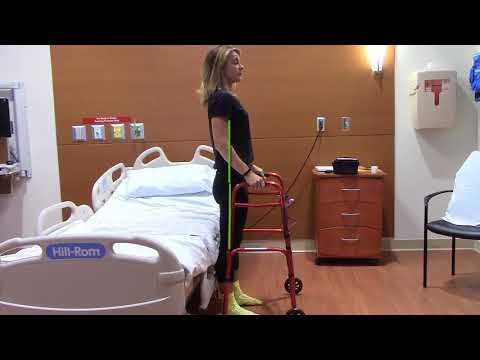
Right after the fracture, you may have constant pain. It’s usually sharp and can make it hard to move around. At this stage, doctors typically recommend rest and immobilization, sometimes using crutches or a walker.
When you go to the hospital, a couple of things happen. You’ll likely get X-rays to see how bad the break is. Depending on that, you might need surgery to fix it; other times, non-surgical methods work just fine.
Surgery or Not?
If surgery is needed, doctors will place screws or plates in your hip bone. That sounds painful, huh? But it’s meant to help your bones heal correctly by holding them in place.
If surgery isn’t required, bed rest and gradual movement will be part of the plan too. They might offer physical therapy options later on tho help regain strength.
The Healing Process
Once you’ve got through the immediate phase—surgery or not—the healing process begins. Generally speaking, this takes about 10-12 weeks but varies by person. Age plays a big role here; older folks might take longer than younger individuals.
During these weeks, keeping up with prescribed medications is important for managing pain and inflammation. You don’t want those aches slowing down your recovery!
Physical Therapy: Your New Best Friend
You’re gonna meet your new buddy—physical therapy (PT). This helps regain mobility in your hip joint and improve strength over time.
PT usually starts shortly after surgery or once you’re stable if no surgery was done.
Your therapist will guide you through exercises tailored for you; these will feel tough at first but gradually get easier as you build muscle back up.
Mental Health Matters
A hip fracture isn’t just about joints—it’s also about emotions! It can be frustrating not being able to do things you used too do easily.
Maybe you’ve always loved jogging or dancing with friends? Stay positive! Surround yourself with supportive people and talk about how you’re feeling—it really helps!
Navigating Daily Life
You might find daily tasks more difficult during recovery like getting dressed or cooking meals. Consider planning ahead ask family members for some support while you’re recovering.
- Create A Routine: Set small goals each day; maybe walk to the mailbox one day then increase distance slowly over time.
- Avoid Falls: Use non-slip mats in the bathroom and wear sturdy shoes around home so accidents don’t happen!
- Pace Yourself: Listen to your body! If something feels too hard today—it may just mean it’s better saved for another time!
Follow-Up Appointments
You won’t get checked out of therapy right away assistive devices like walkers may still be part of life until feeling ready again.
Regular follow-ups are key—your doctor will monitor healing progress closely with x-rays or physical assessments.
Don’t hesitate to bring up any concerns along the way either!
Your Recovery Journey
The journey back from a hip fracture won’t always be smooth sailing—but hang in there! Celebrate every little victory along the way even if that means choosing socks by yourself again at home 😉 .
Everyone’s pathway looks different based on age health habits involved loves their summer gardening—and that’s totally okay too!
Taking care of our bodies requires patience understanding inner strength so don’t rush it enjoy each step forward towards recovery together as we learn what works best for us personally—and hope only shines brighter with every pulse step toward returning normalcy out into world outside these walls again soon enough!
Avoiding Common Mistakes for a Smooth Recovery
After a Hip Fracture
Recovering from a hip fracture can be tough. It’s important to understand what to expect, so you don’t make common mistakes that could slow down your healing. Let’s chat about some key points that can help you navigate this process.
Understanding the Healing Process
First off, healing takes time. Your body needs it to repair tissues and regain strength. Typically, it can take anywhere from weeks to months for full recovery—so patience is key here.
You might feel frustrated by how slow progress seems, but remember: it’s normal! Keeping realistic expectations helps avoid disappointment and stress.
Ignoring Pain Signals
Pain is your body’s way of saying something needs attention. If you’re feeling pain while moving or doing exercises, that can be a sign you’re overdoing things. It’s really important to listen to your body instead of pushing through discomfort, which could lead to further injury.
- Stay within your comfort zone during physical therapy sessions.
- If something feels wrong, don’t hesitate to speak up about it.
Missing Physical Therapy Appointments
Sometimes people think they can skip therapy sessions or just do them later at home. But honestly, those appointments are crucial for restoring movement and strength in the hip joint.
Your therapist tailors exercises specifically for your needs and ensures you’re doing them correctly; skipping might set back your recovery significantly!
Avoiding Weight-Bearing Too Soon
An all-too-common mistake is trying to put weight on the affected leg too early. Your doctor will give guidelines on when it’s safe to start bearing weight again; it’s vital not to rush this part! Doing so can lead to complications.
- Your healthcare team will guide you through this transition with crutches or walkers initially.
- This gradual process helps ensure stability and safety as you recover.
Nourishing Your Body
The role of nutrition often gets overlooked during recovery stages. Eating well supports healing because your body needs essential nutrients like calcium and vitamin D for bone health. Incorporating fruits, veggies, lean proteins into meals makes a difference!
Pushing Too Hard with Exercise
Sure, exercise is important for regaining strength and mobility—yet doing too much too soon may hinder progress! Focus instead on gentle movements at first under guidance from professionals before ramping up the intensity later on.
Not Asking For Help
This one’s big: don’t hesitate to ask others for help during your recovery! Whether it’s family members assisting with daily tasks or connecting with support groups; having a strong network aids emotional well-being and practical assistance in everyday life tasks post-surgery!
In Closing…
Taking time off work may feel daunting but remember: recovering from a hip fracture isn’t just about physical healing—it includes mental wellness too! Keep an open line of communication with healthcare professionals while surrounding yourself with supportive friends/family encourages smoother sailing throughout this journey!
Understanding the Challenges and Changes Following a Hip Injury
When someone experiences a hip injury, especially a fracture, it can feel overwhelming. You know, the hip is vital for mobility. It helps us walk, run, and even sit comfortably. So when it’s injured, life gets pretty complicated.
What Happens Right After a Hip Injury?
After a hip fracture, people often face immediate pain and swelling. Moving the leg might feel impossible. It’s like your body suddenly decides to put on brakes. Doctors usually recommend rest and sometimes surgery to stabilize the hip joint.
Surgery isn’t always necessary, but in many cases, it’s essential for healing correctly. Think of it like fixing a broken toy—you need to put it back together to make sure it works again.
Healing Time: What to Expect
The healing process can take several weeks to months. It depends on factors like age and overall health. For older adults, recovery can be slower—it’s just part of the deal as we get older.
In general, physical therapy is part of recovery. It helps strengthen muscles around the hip and improve mobility again. So yeah, even though you might feel stiff at first, movement is key.
Challenges During Recovery
You might encounter various challenges during recovery from a hip injury. Pain is common but should gradually lessen with time and care. Sometimes people worry about falling again; it’s totally normal to feel anxious.
Additionally, some folks experience emotional changes after such an injury—feeling sad or frustrated is understandable! Remember that support from family or friends can make this phase easier.
Lifestyle Adjustments Post-Injury
A hip injury often requires some lifestyle adjustments. You may need help with daily tasks that used to be easy—like grocery shopping or climbing stairs. It’s important not to rush things; taking your time will aid healing much more effectively.
If you have pets or kids at home, consider asking for assistance while you recover as well—relying on others doesn’t mean you’re weak!
Nurturing Yourself through Recovery
This period also presents an opportunity to focus more on self-care—something often neglected in our busy lives! Eating healthy foods can provide your body with nutrients needed for healing while staying hydrated matters too!
The Path Forward
The road ahead after a hip injury may seem daunting at times—but take heart! Many people successfully return to their normal activities over time with patience and commitment.
If you’re ever in doubt about what steps are right for you during recovery? Just reach out for professional advice or talk with physical therapists—they’re there help guide you along!
What to Expect After a Hip Fracture: Healing and Care
After experiencing a hip fracture, the healing process can be quite challenging. Most often, it requires a combination of medical intervention, physical therapy, and ongoing support from family and friends.
Initial Recovery
Right after the fracture, surgery is usually needed to stabilize the hip. This could involve inserting screws or replacing the joint altogether. You may be in the hospital for just a few days or longer depending on your overall health and how complicated the surgery was.
Pain Management
Pain is part of this journey. Doctors will provide pain relief options, which might include medications like acetaminophen or stronger prescription drugs. It’s important to communicate openly about your pain levels to ensure effective management.
Physical Therapy
Once you’re stable post-surgery, physical therapy kicks in. Often starting within days of surgery, therapists guide you through exercises designed to improve strength and mobility. Think of it like learning to ride a bike again – at first it feels tough, but with practice you get there!
Nutrition Matters
Your body needs fuel to heal. Eating well is crucial; focus on protein-rich foods along with vitamins like calcium and vitamin D that are important for bone health. So yes, don’t skip that glass of milk!
Long-term Considerations
The healing process can take several months or even longer before you feel fully functional again. It’s common for people to feel frustrated during this time since recovery isn’t always linear—it may come with ups and downs.
Support from loved ones can make all the difference here; having someone help with daily tasks not only eases your burden but also boosts morale.
Follow-Up Care
Your doctor will schedule follow-up appointments to monitor your progress. These check-ins are vital as they help assess how well you’re healing and adjust any treatments if necessary.
A hip fracture is more than just an injury; it affects many areas of life including mobility and mental health. Embracing recovery as a gradual journey will help you through this challenging time.