The information provided in this article is intended solely for general informational and educational purposes. It does not constitute medical advice, diagnosis or professional treatment, and should not be considered a substitute for consultation with a qualified doctor or other licensed healthcare professional. Any health-related decisions should be made in consultation with accredited medical professionals.
While efforts have been made to ensure the information is accurate and up to date, no guarantees are given—either express or implied—regarding its accuracy, completeness, currency or suitability. Use of this information is at your own discretion.
It is strongly recommended to consult official sources such as the NHS (National Health Service) or other recognised medical institutions before acting on any information contained on this website or article. Under no circumstances should professional medical advice be ignored or delayed due to content read here.
This content is of a general and informational nature only. It is not intended to replace individualised guidance from a healthcare professional or to establish any doctor-patient relationship. The publication of this information does not imply any professional responsibility, guarantee or obligation on the part of the author or this site.
Have you ever felt that nagging pain in your lower back or hip, making everyday tasks seem like a chore? You’re definitely not alone. In fact, lower back and hip pain is one of the most common complaints many people experience. It can throw off your whole day or even week, right?
Understanding what causes these pains is key to finding relief and getting back to doing what you love. This article dives into the various reasons behind lower back and hip discomfort. Whether it’s posture, muscle strain, or even stress—there’s often more than meets the eye.
But here’s the important part: while we’ll go over symptoms and possible causes, this content is not a substitute for professional medical advice. If you’re feeling persistent pain, chatting with a healthcare professional is crucial.
So let’s explore these common aches together and uncover practical insights to help you feel better. Trust me; understanding your body can be a powerful first step toward healing!
Understanding the Hidden Triggers Behind Discomfort in Your Lower Back and Hips
Lower back and hip pain is something many people experience. It can feel really frustrating, right? The thing is, pain can come from various sources, and knowing what they are helps a lot.
The Anatomy of Pain
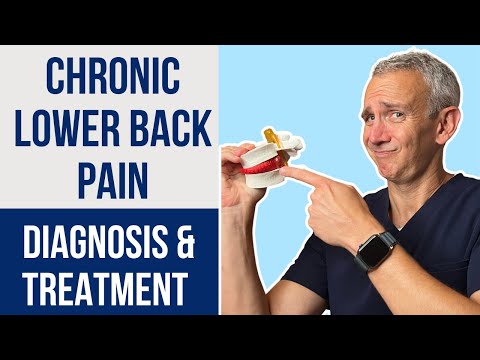
Your lower back, or lumbar region, consists of muscles, bones, and nerves. When any of these components gets irritated or damaged, it often results in discomfort. Hip pain usually involves the joints and surrounding ligaments.
Think of your spine like a stack of blocks. If one block wobbles or shifts out of place, it can mess up the whole stack. Similarly, if a part of your body isn’t functioning well—like muscles getting tight—it can cause pain elsewhere.
Common Causes of Discomfort
- Poor Posture: Slouching on the couch or hunching over your phone can lead to muscle strain.
- Inactivity: Sitting for long periods makes muscles weak and stiff.
- Aging: As you get older, wear and tear on joints may trigger arthritis.
- Injury: A sudden movement or fall may strain muscles or ligaments.
- Disease: Conditions like herniated disks or sciatica can also be culprits; they affect nerve signals to your legs and back.
The Mind-Body Connection
You know how stress can create tension? Well, emotional factors often play a role in physical pain too. Anxiety or stress might tighten muscles in your back without you even realizing it!
This connection means caring for both mind and body is important when addressing lower back issues. You might consider relaxation techniques like yoga or meditation to help cope with stress effectively.
Caring for Yourself
If you’re facing this kind of discomfort regularly, keeping an eye on daily habits could help. Simple stretches might ease tightness; walking regularly can strengthen those supporting muscles around your hips and lower back too.
A warm bath at the end of a long day is not just relaxing; heat therapies sometimes relieve muscle tension as well! Alternating between hot and cold packs may also support recovery after an injury.
- If pain persists beyond a week;
- If it radiates down one leg;
- If you struggle with basic movements;
- If accompanied by unexplained weight loss;
You don’t have to deal with persistent discomfort alone. Speaking with someone who understands these issues—like a physical therapist—can provide tailored advice based on your situation.
The Bottom Line
No one should have to live with unrelenting lower back or hip discomfort. Understanding what causes it opens potential paths toward relief. By staying active with good posture habits while also considering emotional health, you’ll be tackling this from multiple angles!
Unlocking the Secrets Behind Discomfort and Mobility Issues
Understanding Lower Back and Hip Pain
Lower back and hip pain can be really frustrating. It’s more common than you might think. Many folks experience it at some point in their lives. But, have you ever wondered what might be causing that discomfort? Let’s break it down.
The Anatomy of Pain
Your lower back consists of bones, muscles, ligaments, and nerves. The same goes for your hips! They work together to support your body as you move around. When something goes off in these structures, pain is often the result.
Common Causes
- Muscle Strains: Lifting heavy things or sudden movements can strain those muscles.
- Sciatica: This condition happens when the sciatic nerve is compressed. It can cause pain that radiates from your lower back down to your leg.
- Arthritis: This joint inflammation often leads to stiffness and pain in the lower back and hips.
- Herniated Discs: Discs act like cushions between spinal bones. If one slips out of place, it can press on nerves and cause serious discomfort.
- Poor Posture: Slouching while sitting or standing can lead to chronic issues over time.
Your Daily Activities Matter
You know how life gets busy? Sometimes we forget about our posture or end up sitting too long without a break. Simple habits—like standing up to stretch—can help alleviate some tension. It’s all about balance!
This might feel a bit overwhelming but there are ways to manage discomfort. For starters, gentle stretching or low-impact exercises can strengthen the muscles around your spine and hips.
- Heat Therapy: Applying heat can soothe sore muscles.
- Cold Packs: These are great for reducing swelling if there’s inflammation present.
- Painkillers: Over-the-counter options may help with temporary relief as well—just keep an eye on how often you’re using them!
A Few Myths Debunked
You might hear people say that bed rest is always best for back pain; that’s not true! While it’s okay to take a break if you’re hurting, prolonged inactivity could worsen the problem. Movement is key to recovery!
If pain persists despite trying these strategies, it’s wise to consult someone who knows more about physical health. Look out for signs like numbness or weakness in legs—they shouldn’t be ignored!
Pain in the lower back and hips isn’t just a bother; it’s often a signal from your body that needs attention. By understanding its causes and caring for yourself properly, you stand a better chance at feeling good again! Remember: small steps lead to big changes over time.
Identifying Warning Signs You Shouldn’t Ignore
Understanding Lower Back and Hip Pain
Lower back and hip pain can really be a drag, you know? It’s something a lot of people experience at some point. But understanding what causes this pain is the first step in identifying warning signs you shouldn’t ignore.
Common Causes
Usually, pain in these areas relates to muscle strain or injury. Think about it: if you’ve lifted something heavy or overexerted yourself, that’s a common culprit. Sometimes, issues like arthritis can also play a role. It’s like your joints are wearing down over time.
Another big cause is herniated discs. Picture your spine as a stack of pillows; when one pillow shifts out of place, it puts pressure on nearby nerves, leading to discomfort.
- Muscle Strain: Overdoing physical activity can lead to painful sprains.
- Arthritis: This condition affects the joints causing stiffness and pain.
- Sciatica: Pain radiating from the lower back down one leg due to nerve compression.
- Piriformis Syndrome: A state where the piriformis muscle irritates the sciatic nerve.
Warning Signs You Shouldn’t Ignore
This is important! There are certain signs that could indicate more serious issues. You shouldn’t just brush off persistent or severe pain that doesn’t improve with rest. That’s like ignoring the check engine light in your car!
- If you experience weakness or numbness in your legs—especially if it feels sudden—it’s time to take notice.
- Pain following an injury should also make you cautious; sometimes what seems minor isn’t so much.
- If everyday activities become increasingly difficult due to pain, that’s worth looking into too.
The Importance of Care
Treating lower back and hip pain often begins with self-care methods like rest and applying ice or heat to the affected area. Gentle stretches can also help ease tight muscles. However, don’t underestimate the role of a healthcare provider when symptoms persist or worsen.
You know, sometimes we think we can tough it out, but getting proper care early on can prevent long-term complications. Just like any other health issue, addressing pains promptly often leads to better outcomes!
Your Next Steps
If you’re experiencing any concerning symptoms related to lower back or hip pain, reach out for guidance from someone qualified. Ultimately it’s about taking charge of your health! Don’t let minor discomfort turn into major problems by ignoring those warning signs.you deserve clarity and relief!
Understanding Lower Back and Hip Pain
Lower back and hip pain is a common issue that can affect anyone at any age. It can be frustrating and sometimes debilitating. You’re not alone if you’ve ever felt stiffness or discomfort in these areas. Various factors contribute to this kind of pain, so let’s break it down.
Causes
One major cause of lower back and hip pain is muscle strain. Imagine lifting something heavy or twisting awkwardly—your muscles might protest, leading to discomfort.
Arthritis, a condition where your joints become inflamed, can also play a big role. This can lead to swelling and stiffness, especially in the hip joint.
Herniated discs are another culprit. Think of these discs like jelly doughnuts: if they bulge out, they may press on nearby nerves causing pain.
Lifestyle Factors
Your daily habits matter too! Poor posture while sitting or standing can strain your back. Also, inactivity weakens the muscles that support your spine, increasing injury risk.
Even carrying excess weight puts additional pressure on your back and hips. It’s like adding more weight to a backpack; over time, it just gets harder to carry.
Caring for Your Pain
If you’re dealing with this type of pain, there are some steps you can take. Stretching exercises help maintain flexibility and strengthen surrounding muscles. Sometimes gentle yoga or walking makes a huge difference.
A hot or cold compress could bring relief as well—heat relaxes tight muscles while cold reduces swelling.
When to Seek Help
If your pain persists for more than a few days or worsens with time, it’s wise to consult someone knowledgeable in healthcare. They’ll know how best to assess your situation and guide you accordingly.
The key here is listening to your body and understanding that different issues require different solutions. With care and awareness, many find relief from their lower back and hip pain through various methods.