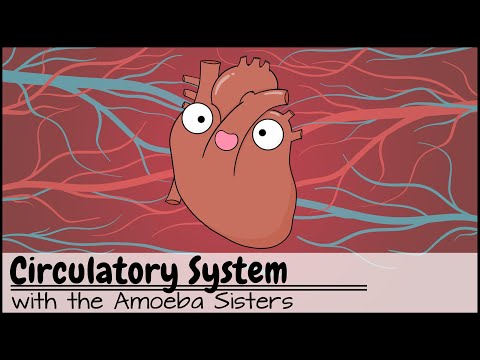
The heart is more than just a muscle; it’s the engine that drives life itself. Imagine it as a tireless pump, tirelessly working day in and day out, ensuring that oxygen-rich blood flows throughout your body. This remarkable organ is about the size of a fist and sits snugly between your lungs. It has four chambers, each playing a unique role in maintaining the rhythm of life.
The information provided in this article is intended solely for general informational and educational purposes. It does not constitute medical advice, diagnosis or professional treatment, and should not be considered a substitute for consultation with a qualified doctor or other licensed healthcare professional. Any health-related decisions should be made in consultation with accredited medical professionals.
While efforts have been made to ensure the information is accurate and up to date, no guarantees are given—either express or implied—regarding its accuracy, completeness, currency or suitability. Use of this information is at your own discretion.
It is strongly recommended to consult official sources such as the NHS (National Health Service) or other recognised medical institutions before acting on any information contained on this website or article. Under no circumstances should professional medical advice be ignored or delayed due to content read here.
This content is of a general and informational nature only. It is not intended to replace individualised guidance from a healthcare professional or to establish any doctor-patient relationship. The publication of this information does not imply any professional responsibility, guarantee or obligation on the part of the author or this site.
Understanding heart anatomy and circulation is like unraveling a fascinating story. Each part—arteries, veins, valves—has its own function and significance. When put together, they create a symphony of movement that nourishes every cell in your body. The whole process reflects an intricate design, reminding us just how deeply connected we all are to our hearts.
However, it’s essential to approach this topic thoughtfully. While there’s abundant information available regarding heart health, not all sources are reliable or accurate. Always seek insights from various specialists in cardiology or healthcare professionals who can provide evidence-based guidance tailored to your specific needs.
Stay curious and informed! The better you understand your heart—and how to care for it—the more empowered you’ll be to make healthy choices throughout life’s journey.
Unlocking the Journey of Blood Through the Heart’s Intricate Network
The heart is a remarkable organ, acting as the central pump of our body. Imagine it as a busy train station, where blood is the train that carries essential goods to various stops.
Blood travels through a complex network of vessels, and this journey begins in the heart’s right atrium. Here, deoxygenated blood enters from the body through two large veins called the superior and inferior vena cava.
Once full, the right atrium contracts. It pushes blood into the right ventricle. This ventricle acts like a powerful engine, sending blood to the lungs via the pulmonary arteries.
In the lungs, blood gets a fresh supply of oxygen. It’s like refueling at a gas station. Now oxygen-rich, it returns to the heart’s left atrium through pulmonary veins.
When the left atrium fills up, it sends this oxygenated blood down into the left ventricle. The left ventricle is crucial; it pumps blood out to all parts of your body through the aorta—your largest artery.
This entire process is known as circulation and is vital for sustaining life. It ensures that every cell in your body receives necessary nutrients and oxygen while removing waste products effectively.
Key points about this journey include:
There are two main types of circulation: systemic and pulmonary. Systemic circulation delivers oxygen-rich blood from the heart to tissues everywhere in your body. Pulmonary circulation refers specifically to how blood moves between your heart and lungs.
Your heart has four chambers: two atria and two ventricles. Each chamber has its own role in managing this flow of blood efficiently—like different departments in an organization working together toward a common goal.
It’s important to take care of this intricate pump! Lifestyle choices such as healthy eating and regular exercise can support good heart health over time.
Understanding how this all works can help you make informed choices about keeping your cardiovascular system healthy for years to come! Respecting its complexity will lead you toward better health decisions that benefit not just you but those around you too!
A Simple Journey Through the Heart’s Rhythm and Flow
The heart is an incredible organ, often called the body’s pump. It beats about 100,000 times a day. That’s about 70 beats each minute! Just like a tire pump pushes air into a flat tire, your heart moves blood through the body.
The heart has four key chambers: the right atrium, right ventricle, left atrium, and left ventricle. Each chamber has a unique role in keeping our blood flowing smoothly.
The right side of the heart handles blood that is low in oxygen. It receives this blood from the body and pumps it to the lungs. Here’s where it picks up oxygen and gets rid of carbon dioxide—like exchanging old air for fresh.
The left side of the heart deals with oxygen-rich blood. After the lungs have done their job, this side pushes that life-giving blood out to the rest of your body. Imagine a delivery truck carrying fresh supplies to different parts of a city.
The flow of blood through these chambers is controlled by valves that open and close like doors. They ensure that blood only flows in one direction—preventing any backflow.
Circulation is vital for our bodies because it delivers nutrients and removes waste products from cells. When we eat food, our digestive system breaks it down into nutrients that enter our bloodstream via capillaries.
There are two main types of circulation:
Every beat is orchestrated by electrical signals produced by special cells in the heart known as pacemaker cells. These signals trigger contractions, allowing your heart to maintain its rhythm—much like a conductor leading an orchestra.
Understanding how our hearts work helps us appreciate their role in overall health. Factors like diet, exercise, and stress can influence our heart’s performance over time.
One common myth is that only older people need to worry about their hearts; however, maintaining good cardiovascular health starts early in life. A healthy diet rich in fruits and veggies can support this amazing organ at any age.
In conclusion, your heart does more than just beat; it plays an essential part in keeping you alive and well every day! Remember to cherish this beautiful journey through life’s rhythm and flow—the more you learn about it, the better equipped you’ll be to care for yourself!
Unlocking the Journey of Life: Understanding How Blood Circulates Through Your Heart
Understanding how blood circulates through your heart is like following a bus route in a busy city. Just as each stop is important for the journey, every part of the heart plays a crucial role in circulating blood.
The heart has four main chambers: two atria on top and two ventricles below. The right side collects blood low in oxygen from the body. Think of it as gathering tired passengers who need to be dropped off at the lungs.
Once the right atrium fills up, it sends blood to the right ventricle. This is like moving passengers onto a bus for their next stop. The right ventricle then pumps this blood to the lungs through pulmonary arteries.
In the lungs, blood releases carbon dioxide and picks up fresh oxygen. Imagine a quick recharge station where exhausted travelers breathe in some fresh air to revitalize them.
Now with oxygen-rich blood, we move back to the heart’s left side. The left atrium receives this rejuvenated blood, similar to welcoming happy passengers returning from their trip.
From there, it passes into the left ventricle. This chamber is strong because it needs to push blood out into the entire body via the aorta—the largest artery. It’s like sending those excited travelers out into a bright new world full of adventures ahead!
The circulatory system works continuously, repeating this journey countless times every day. It’s vital for supplying nutrients and oxygen while removing waste products from our cells.
Key points about circulation:
It’s amazing how something so vital operates smoothly without us even thinking about it! By understanding how our hearts work, we can appreciate their importance and take better care of ourselves. Awareness fosters healthier habits and informed decisions about our overall well-being.
Understanding heart anatomy and circulation is like embarking on a journey through one of the most vital systems in our body. The heart, often referred to as life’s pump, plays a crucial role in maintaining overall health by circulating blood to deliver oxygen and nutrients.
First, let’s talk about the heart itself. It consists of four chambers: two atria and two ventricles. The atria receive blood coming into the heart, while the ventricles pump blood out. This setup works like a well-orchestrated team, ensuring efficient circulation throughout the body.
Key points to remember:
You can think of arteries as highways carrying oxygen-rich blood away from the heart, while veins are like return paths bringing deoxygenated blood back home. This constant movement is essential; without it, our organs would struggle to function properly.
Understanding how this system works highlights its importance in our daily lives. Healthy lifestyle choices—like regular exercise and balanced nutrition—can help maintain optimal heart function.
Moreover, awareness of common conditions like hypertension or plaque buildup can empower individuals to seek early intervention when needed. Being proactive is key!
In conclusion, learning about heart anatomy and circulation not only fosters appreciation for our bodies but also encourages informed decisions that support cardiovascular health throughout life. Let’s cherish this intricate system that tirelessly works for us every day!