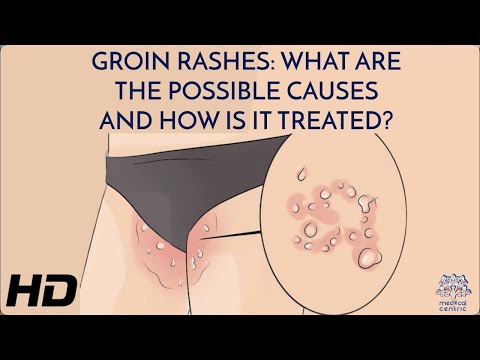
Water blisters can catch us off guard. One moment, your skin feels normal; the next, a small bubble forms, filled with clear fluid. These blisters can occur for various reasons, and understanding them is key to preventing discomfort and promoting healing.
Water blisters often pop up as a response to friction, burns, or even allergic reactions. They act as tiny protective sacs for damaged skin underneath. Caring for these sensitive areas involves gentle handling and keeping them clean to prevent infection. It’s also essential to know when to let nature take its course and when to seek medical advice.
Being proactive about prevention can save you from dealing with painful blisters. By wearing appropriate footwear during activities or using protective gloves while working, you can minimize friction and irritation that lead to these blisters.
However, it’s crucial not to rely solely on one source of information about water blisters. Always consult various specialists and trusted resources before making health decisions. This ensures you have a well-rounded understanding of your condition and the best strategies for care and prevention. Remember: informed choices lead to better health outcomes!
The information provided in this article is intended solely for general informational and educational purposes. It does not constitute medical advice, diagnosis or professional treatment, and should not be considered a substitute for consultation with a qualified doctor or other licensed healthcare professional. Any health-related decisions should be made in consultation with accredited medical professionals.
While efforts have been made to ensure the information is accurate and up to date, no guarantees are given—either express or implied—regarding its accuracy, completeness, currency or suitability. Use of this information is at your own discretion.
It is strongly recommended to consult official sources such as the NHS (National Health Service) or other recognised medical institutions before acting on any information contained on this website or article. Under no circumstances should professional medical advice be ignored or delayed due to content read here.
This content is of a general and informational nature only. It is not intended to replace individualised guidance from a healthcare professional or to establish any doctor-patient relationship. The publication of this information does not imply any professional responsibility, guarantee or obligation on the part of the author or this site.
Essential Tips for Keeping Your Skin Safe and Comfortable
Keeping your skin safe and comfortable is important for overall health. One common issue many face are water blisters. Understanding what they are and how to care for them can help you enjoy better skin.
Water blisters often form when the skin experiences friction or burns. They can also occur from allergic reactions or infections. Think of them as tiny balloons filled with fluid, protecting the underlying skin while it heals.
To prevent water blisters, consider these tips:
If a blister forms, care is key:
When caring for blisters, listen to your body. If you notice increasing redness, warmth, or pus, consult a healthcare provider.
Remember that prevention is always easier than treatment. Make small adjustments in your daily routine for healthier skin. Staying informed is the best way to take charge of your skin health!
Understanding Blisters: Their Triggers and Simple Ways to Avoid Them
Blisters are small pockets of fluid that form on the skin. They can be uncomfortable, and knowing how they develop helps in prevention and care.
Essentially, a blister is your body’s way of protecting damaged skin. When the outer layer gets hurt, fluid gathers underneath to cushion the area. This can happen from friction, heat, or even infections.
Common triggers for blisters include:
Friction blisters often show up on hands and feet. They can occur during activities like hiking or sports when gear rubs against your skin.
Heat blisters usually appear after burns. These need careful attention to avoid infection.
Therefore, prevention is key! Here are some simple strategies:
To prevent blisters:
If a blister does form, it’s important not to pop it unless necessary. Popping can lead to infection. Instead, keep it clean and covered with a bandage.
Remember to monitor any changes in blister appearance or if you notice increased redness or swelling around the area.
Debunking a common myth: Blisters are not just for athletes; anyone can get them from everyday activities.
By understanding what causes blisters and implementing these prevention tips, you can take charge of your skin health more effectively!
Discover the top strategies to keep your feet blister-free and comfortable.
Blisters on the feet are common nuisances, especially during activities like walking or running. Understanding how to prevent them can make your experience much more pleasant.
What Causes Blisters?
Blisters often form due to friction. When skin rubs against a surface, it can create a bubble filled with fluid. This is the body’s way of protecting the underlying tissue.
Key Strategies for Prevention:
Cushion and Protect:
Using blister pads or moleskin in areas prone to blisters can provide extra protection and reduce friction.
The Importance of Foot Hygiene:
Keeping your feet clean and dry is essential. Regularly washing and drying them helps prevent skin breakdown.
If Blisters Occur:
If you do get a blister, try not to pop it unless necessary. Cover it with a bandage to protect it as it heals.
Learning these simple strategies can help keep your feet blister-free and comfortable during everyday activities or adventures. Stay mindful of how your shoes fit and choose appropriate materials for comfort.
Water blisters are a common skin condition that often raises questions about their causes, care, and prevention. Understanding these aspects is essential for anyone who wants to take control of their skin health.
Water blisters typically arise from friction, burns, or allergic reactions. When skin experiences excessive rubbing or irritation, it can respond by forming a pocket of fluid underneath the outer layer. This protective mechanism helps to shield the underlying tissue.
When it comes to care, remember that most blisters heal naturally. Do not pop them. Popping can lead to infection and may slow healing. Instead, keep the area clean and covered with a sterile bandage. If a blister does break, wash it gently and apply an antibiotic ointment to prevent infection.
Prevention is all about reducing risk factors. Here are some tips:
It’s also helpful to be aware of environmental factors like heat and moisture that can exacerbate blister formation.
In summary, by understanding the causes of water blisters and employing simple care strategies along with effective prevention techniques, individuals can manage this condition confidently. Knowledge empowers us—and in this case, it can save discomfort down the road. Always consider speaking with a healthcare provider if you have concerns about persistent or severe blistering issues.