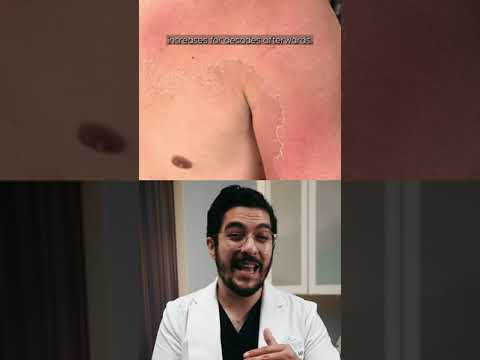
We’ve all felt the warmth of the sun on our skin. It can be soothing and invigorating. However, there’s a fine line between enjoying that sunny day and suffering from sunburn. One of the more severe consequences of overexposure to sunlight is sunburn blisters. These painful reminders of fun in the sun can cause discomfort and might even lead to further skin issues.
Sunburn blisters occur when your skin has been damaged by ultraviolet (UV) rays. They appear as raised pockets filled with fluid, often itchy or painful to touch. It’s like your skin’s way of saying, “Help! I need protection!” Understanding the symptoms, care steps, and potential risks associated with these blisters is crucial for recovery and long-term skin health.
It’s important to remember that while some sun exposure is beneficial for vitamin D production, too much can be harmful. If you notice any unusual changes in your skin or experience significant pain from sunburn, seeking advice from qualified healthcare providers is essential. Always consult multiple specialists or trusted medical sources to make informed decisions about your health; the more you know, the better equipped you’ll be to care for yourself responsibly in the future.
The information provided in this article is intended solely for general informational and educational purposes. It does not constitute medical advice, diagnosis or professional treatment, and should not be considered a substitute for consultation with a qualified doctor or other licensed healthcare professional. Any health-related decisions should be made in consultation with accredited medical professionals.
While efforts have been made to ensure the information is accurate and up to date, no guarantees are given—either express or implied—regarding its accuracy, completeness, currency or suitability. Use of this information is at your own discretion.
It is strongly recommended to consult official sources such as the NHS (National Health Service) or other recognised medical institutions before acting on any information contained on this website or article. Under no circumstances should professional medical advice be ignored or delayed due to content read here.
This content is of a general and informational nature only. It is not intended to replace individualised guidance from a healthcare professional or to establish any doctor-patient relationship. The publication of this information does not imply any professional responsibility, guarantee or obligation on the part of the author or this site.
Essential Tips for Soothing and Healing Sunburn Blisters
Sunburn blisters can be painful and uncomfortable. They occur when your skin is exposed to too much sun without protection. Understanding how to care for them can help you heal faster and feel better.
Recognizing Symptoms:
Sunburn blisters often appear as raised, fluid-filled bubbles on the skin. They can be red, swollen, and tender. Sometimes, they may itch as they heal.
Why Blisters Form:
When your skin is damaged from too much UV exposure, it reacts by forming blisters. This is the body’s way of protecting deeper layers of skin from further injury.
Immediate Care:
As soon as you notice sunburn, get out of the sun. Staying in will only worsen the damage. Find shade or go indoors right away.
Keep Blisters Intact:
It’s tempting to pop blisters, but this can lead to infection. The blister acts as a natural bandage that protects new skin forming underneath.
Avoid Tight Clothing:
Wear loose-fitting clothes over the affected area. Tight clothing can irritate blisters and make healing take longer.
Stay Hydrated:
Drink plenty of water to keep your body hydrated during recovery. Sunburn draws moisture from your skin, so replenishing fluids is key.
The Healing Process:
As blisters heal, they may eventually dry out and peel away naturally. Don’t rush this process; let your body do its work.
Potential Risks:
Severe sunburns with extensive blistering may lead to complications such as infections or scarring. If you notice increased pain, pus, or fever, seek medical attention promptly.
Sunscreen Education:
To prevent future sunburns, always use sunscreen with at least SPF 30 when going outside. Reapply every two hours and after swimming or sweating.
In conclusion, understanding how to care for sunburn blisters helps promote healing while reducing discomfort. Remember that prevention is always better than cure—protecting your skin today keeps it healthy for tomorrow!
Knowing When to Seek Help for Sun-Induced Skin Damage
Sun exposure can be enjoyable, but it comes with risks. One common issue is sunburn, which happens when your skin gets too much ultraviolet (UV) radiation from the sun. If you’ve gotten a sunburn, you might notice redness and pain. But sometimes, it can lead to blisters.
Sunburn blisters are fluid-filled bubbles on the skin that form as a response to severe damage. They indicate that your skin is injured and trying to heal itself. Recognizing when to seek help for this type of damage is essential.
Here are some key points about when you should consider getting medical attention:
Taking care of sunburn involves gentle treatments at home like applying aloe vera or moisturizer and staying hydrated. However, knowing when to seek professional help is vital for preventing complications.
It’s also important to debunk some myths around sun care. Some people think that tanning beds are safer than direct sunlight; however, they also emit harmful UV rays that can cause skin damage.
Remember that prevention is always better than treatment. Wearing sunscreen with broad-spectrum protection daily significantly reduces the risk of burns and long-term effects like skin cancer.
If you have any doubts about your symptoms or how to take care of yourself after a burn, it’s okay to reach out for advice from someone knowledgeable in health care. Recognizing the limits of self-care will empower you in making informed choices about your health.
Understanding the risks and remedies for infected sunburn blisters
Sunburn blisters can be quite painful and worrying. They occur when the skin is damaged by excessive sun exposure. When you get blistering sunburn, it’s a sign that your skin needs care.
In some cases, these blisters can get infected. Infection can occur if bacteria enter through the broken skin. This leads to more complications than just the discomfort of a typical sunburn.
Recognizing the Symptoms of Infected Blisters: It’s important to know what an infected blister looks like. Here are key signs to watch for:
If you notice any of these symptoms, it may indicate that an infection is present and that monitoring is essential.
Caring for Sunburn Blisters: Proper care is crucial for healing and preventing infection. Here are some recommended steps:
It’s also vital to keep your body hydrated by drinking plenty of water.
Pain Relief: Over-the-counter pain relievers can help manage discomfort. However, always follow dosage instructions on packaging.
Avoiding Further Sun Exposure: Protect your skin from more sun as it heals. Wearing clothing that covers your skin and using sunscreen on healed areas is essential.
If You Suspect Infection: It’s wise to consult with a healthcare professional if symptoms worsen or do not improve. Timely intervention can prevent further complications.
Ultimately, prevention is key. Always wear sunscreen and reapply regularly when outside, especially during peak hours of sunlight. This decreases the risk of getting burned in the first place.
Understanding how to care for your skin after sun exposure has lasting benefits beyond just avoiding pain today; it promotes healthier skin in the long term too!
Sunburn blisters are a painful reminder of the sun’s strength. They occur when the skin is exposed to ultraviolet (UV) rays for too long, causing damage to skin cells. The body responds by sending fluid to the affected area, leading to blister formation.
Symptoms of sunburn blisters typically include redness, swelling, and tenderness of the skin. Blisters can vary in size and may break open, causing increased discomfort and risk of infection.
When it comes to care, it’s crucial to handle sunburn blisters with care. Here are some important steps:
Potential risks associated with sunburn blisters include infection if they rupture or significant discomfort that affects daily activities. Repeated sunburns can also increase the risk of skin cancer over time.
Understanding these aspects encourages responsible sun safety practices, such as using sunscreen, wearing protective clothing, and seeking shade during peak sunlight hours. By promoting awareness around sunburns and their effects, we can reduce their occurrence and support healthier choices that protect our skin long-term.