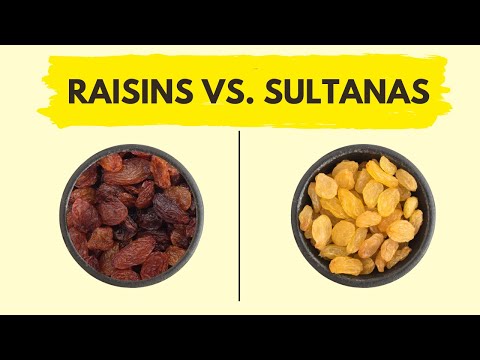
When it comes to dried fruits, the world of raisins, sultanas, and currants can be a little confusing. At first glance, they may seem like interchangeable snacks, but each has its unique character and flavor profile. Understanding the real differences among them can help you make better choices for your diet and culinary adventures.
Raisins are dried grapes that come in various colors, depending on the type of grape used. They are rich in fiber and natural sugars, making them a sweet energy boost. Sultanas are also dried grapes but usually come from green grapes treated with a special drying process that gives them a lighter color and sweeter taste. Finally, currants are made from small black grapes called Zante grapes, offering a slightly tart flavor that pairs well with many dishes.
While these fruits may delight your palate, it’s crucial to be cautious about health claims often found around them. Not everyone may need dried fruits as part of their diet; some people should monitor their sugar intake or avoid certain foods for health reasons. Always take the time to consult different specialists and credible sources to gather information tailored to your personal health needs. This way, you can enjoy these delightful treats while making informed choices that benefit your overall well-being.
The information provided in this article is intended solely for general informational and educational purposes. It does not constitute medical advice, diagnosis or professional treatment, and should not be considered a substitute for consultation with a qualified doctor or other licensed healthcare professional. Any health-related decisions should be made in consultation with accredited medical professionals.
While efforts have been made to ensure the information is accurate and up to date, no guarantees are given—either express or implied—regarding its accuracy, completeness, currency or suitability. Use of this information is at your own discretion.
It is strongly recommended to consult official sources such as the NHS (National Health Service) or other recognised medical institutions before acting on any information contained on this website or article. Under no circumstances should professional medical advice be ignored or delayed due to content read here.
This content is of a general and informational nature only. It is not intended to replace individualised guidance from a healthcare professional or to establish any doctor-patient relationship. The publication of this information does not imply any professional responsibility, guarantee or obligation on the part of the author or this site.
Unraveling the Sweet Mystery of Dried Grapes
Dried grapes have a long history as a tasty snack and a versatile ingredient. But, have you ever wondered what sets raisins, sultanas, and currants apart? Let’s unravel this sweet mystery together!
First up, **raisins**. These are the most common type of dried grapes. Typically made from dark grapes, they’re often sun-dried or dehydrated. Raisins can be chewy and are used in many recipes from baked goods to salads.
Next are **sultanas**. These originated from white grapes, specifically the Thompson Seedless variety. Sultanas are usually treated with vegetable oil before drying, giving them a plumper appearance and lighter color compared to raisins. They also tend to be sweeter.
Now let’s talk about **currants**. Despite the name, currants aren’t made from blackcurrant fruits! Instead, they come from small seedless grapes known as Zante or Corinthian grapes. Currants are typically very small and have a tangy flavor that can add complexity to dishes.
When it comes to nutrition, all three packs a punch! They are rich in natural sugars for quick energy, fiber for digestive health, and antioxidants which can support overall well-being.
However, it’s good to remember that dried fruits can be calorie-dense due to their concentrated sugars. So moderation is key if you’re watching your calorie intake.
Some people mistakenly think that dried fruits lack nutrients because they’re dried out. In reality, some nutrients remain intact during drying—like certain vitamins and minerals—making them still valuable choices in your diet.
Lastly, try experimenting! Each type of dried grape brings its unique taste and texture. Use them in trail mixes, baking recipes or simply enjoy them as snacks.
Understanding these differences not only enriches your culinary experience but also helps you make more informed choices about your diet!
Unraveling the Mysteries of Nature’s Tiny Sweet Treats
When you think of sweet treats, the first thing that might come to mind is chocolate or candy. But have you ever thought about nature’s tiny sweet delights: raisins, sultanas, and currants? These dried fruits not only satisfy a sweet tooth but also pack a punch of nutrition.
Let’s start with raisins. Raisins are simply dried grapes. They come in various colors including green, black, and yellow. The drying process concentrates their sugars, making them incredibly sweet. They’re like little energy boosts you can carry in your pocket.
Next up are sultanas. People often confuse sultanas with raisins, but they actually come from a different kind of grape called the “sultana” grape. Sultanas are usually lighter in color and have a sweeter flavor than regular raisins. Think of them as golden nuggets of sweetness.
Then we have currants. Unlike the other two, currants are made from small black grapes known as “Zante” or “black Corinth” grapes. They’re tiny, tart, and pack a unique flavor that sets them apart from their bigger cousins. You might find currants in baked goods or salads for an unexpected twist.
Now, it’s important to note the nutritional benefits these fruits provide:
Even though these treats are healthy compared to sugary snacks, moderation is key. They’re still calorie-dense because of their sugar content. So while snacking on them is great for energy boosts during activities like hiking or sports, it’s smart to keep portions reasonable.
Many people wonder if one type is healthier than another. The truth? Each variety has its own benefits but all offer similar nutritional value overall!
In cooking and baking, these fruits add depth too! You can use raisins or sultanas for moisture in cakes or even try adding currants to savory dishes for a surprise pop of flavor.
Understanding what makes each dried fruit unique can make for better snacking choices and enrich your meals. By choosing natural sweets instead of processed ones whenever possible, you’re making a wise choice for your health without sacrificing taste.
So next time you see those little packages on the shelf—remember: raisins, sultanas, and currants aren’t just tasty; they’re also nature’s perfect little bites!
Discover the Sweet Truth Behind These Little Dried Fruits
Raisins, sultanas, and currants are often found in our kitchens, but they each have unique characteristics. Understanding their differences can enrich your cooking and snacking experience.
Raisins are simply dried grapes. They can come from different grape varieties, most commonly the dark purple ones. Their flavor is sweet with a hint of tartness.
Sultanas are also dried grapes, but typically made from green grapes. They tend to be lighter in color and sweeter than raisins. The drying process involves a quick dip in a solution to speed things up.
Currants are a bit different; they are made from small black Corinth grapes. These tiny dried fruits pack a punch of flavor despite their size. They are often used in baked goods like scones or fruit cakes.
When choosing between these fruits, consider what you need for your recipe or snack.
These dried fruits share some nutritional benefits too. They’re concentrated sources of energy due to natural sugars.
However, remember that because they’re dense with calories, moderation is key when enjoying them.
Some folks worry about sugar content in dried fruits. While it’s true that drying concentrates the sugars, they also contain fiber and antioxidants which provide health benefits.
Enjoying these little gems can add variety to your diet without sacrificing flavor. Try mixing them into oatmeal or salads for an extra burst of sweetness!
In conclusion, whether you reach for raisins, sultanas, or currants depends on your taste preferences and culinary needs. Each brings its own unique flair to dishes while offering some nutritional perks too!
Raisins, sultanas, and currants often confuse those navigating the world of dried fruits. Understanding their differences can enhance our appreciation for these snacks and how they fit into a healthy diet.
Raisins are made from dried grapes, typically from darker varieties such as Thompson Seedless. They possess a chewy texture and a sweet flavor. Raisins are high in antioxidants, vitamins, and minerals, making them a nutritious choice.
Sultanas, sometimes known as golden raisins, come from green grapes that are treated with an enzyme to speed up drying. This process gives them their characteristic light color and slightly tangy taste. They’re often sweeter than raisins due to the natural sugars concentrated during drying.
Currants are small dried fruits made from specific types of seedless grapes called Zante or Black Corinth. They have a tart flavor and dense texture. Their smaller size makes them ideal for baking or adding to salads.
All three options provide health benefits but also have high sugar content. It’s essential to enjoy them in moderation as part of a balanced diet. Choosing whole foods over processed snacks is always wise for better health outcomes.
Understanding these differences allows us to make informed choices about our diets while enjoying the unique flavors each one offers. Whether snacking on their own or incorporating them into recipes, raisins, sultanas, and currants can be delightful additions to our nutrition plan when consumed thoughtfully.