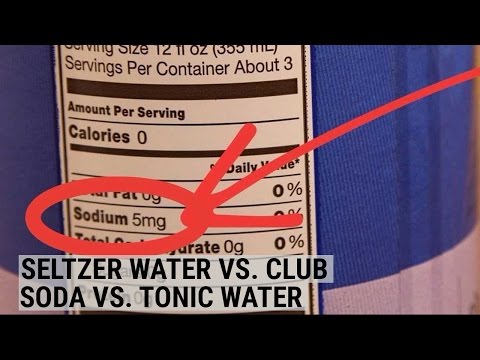
When you stroll through the beverage aisle, you may find yourself staring at shelves lined with sparkling options like club soda, seltzer, and tonic water. They all bubble and fizz, but what’s the real difference between them? Understanding these distinctions can help you make informed choices for your hydration and cocktail needs.
Imagine each type of drink as a unique character at a party. Seltzer is the straightforward guest—just carbonated water with no additives. Club soda arrives with a little more flair, having minerals like sodium bicarbonate or potassium sulfate added to enhance its taste. Then there’s tonic water, which is like the spirited entertainer, sweetened and flavored with quinine to give it that distinct bitterness often found in cocktails.
Before diving into your next fizzy drink adventure, it’s essential to consider what these beverages offer. Each serves different purposes in cooking or mixing drinks. But remember, not all sparkling waters are created equal; some contain added sugars or calories that may surprise you.
It’s crucial to inform yourself from reliable sources about these beverages. Different specialists and media can provide valuable insights into their health effects and uses. Always approach new information critically and make choices that best suit your lifestyle!
The information provided in this article is intended solely for general informational and educational purposes. It does not constitute medical advice, diagnosis or professional treatment, and should not be considered a substitute for consultation with a qualified doctor or other licensed healthcare professional. Any health-related decisions should be made in consultation with accredited medical professionals.
While efforts have been made to ensure the information is accurate and up to date, no guarantees are given—either express or implied—regarding its accuracy, completeness, currency or suitability. Use of this information is at your own discretion.
It is strongly recommended to consult official sources such as the NHS (National Health Service) or other recognised medical institutions before acting on any information contained on this website or article. Under no circumstances should professional medical advice be ignored or delayed due to content read here.
This content is of a general and informational nature only. It is not intended to replace individualised guidance from a healthcare professional or to establish any doctor-patient relationship. The publication of this information does not imply any professional responsibility, guarantee or obligation on the part of the author or this site.
Unraveling the Bubbles: Discovering the Unique Flavors of Sparkling Waters
When it comes to bubbly beverages, many people often feel confused. Sparkling waters come in various forms that may look similar but have distinct flavors and purposes. Let’s explore the unique characteristics of club soda, seltzer, and tonic water.
Club Soda is carbonated water that has added minerals. These minerals give it a slightly salty taste. Commonly used in mixed drinks, club soda can enhance the overall flavor of cocktails. Think of it as a gentle boost to your beverage.
Seltzer, on the other hand, is plain carbonated water without added minerals. It’s simply water that’s been infused with carbon dioxide gas to create those refreshing bubbles. Seltzer has a clean taste and can be enjoyed on its own or with added fruit for flavor.
Then there’s tonic water. While also a sparkling beverage, tonic water contains quinine, which gives it a unique bitter taste. Quinine was historically used to prevent malaria but now is mainly appreciated for its distinctive flavor in cocktails like gin and tonic. It’s sweeter than seltzer or club soda due to added sugars or sweeteners.
When choosing between them, consider what you’re looking for in taste and purpose:
It’s also worth noting that some people think all sparkling waters are unhealthy because they’re fizzy. In reality, they can be quite hydrating! Just remember that tonic water does contain sugars which may not fit everyone’s dietary needs.
In summary, understanding these differences makes it easier to enjoy your sparkling beverages fully! Choose based on your personal preference and the occasion at hand—sparkling waters offer enjoyable options for everyone!
Unraveling the Healthier Choice for Your Next Drink
When you’re choosing a drink, it might be confusing to see options like club soda, seltzer, and tonic water. They seem similar but have different ingredients and uses. Let’s break it down.
Seltzer is simply carbonated water. It’s made by adding carbon dioxide gas under pressure to plain water. This gives it the fizz we enjoy, without any added minerals or flavors. Think of it as the purest form of bubbly water.
Club soda is also carbonated water, but it includes minerals like sodium bicarbonate or potassium sulfate. These add a slightly salty taste to the drink. It’s often used in cocktails but can also be refreshing on its own.
Tonic water, however, is quite different. It contains carbonated water as well but also has added sweeteners and quinine—a compound derived from the bark of a tree that was traditionally used to treat malaria. The sweetness balances out its bitter flavor, making it popular in mixed drinks like gin and tonic.
To sum up:
If you’re watching your sugar intake, seltzer or club soda are great choices since they usually have no calories or sugar. Tonic water can be higher in calories due to its sugar content.
Choosing the right fizzy drink depends on your personal taste and health goals. Knowing what’s inside each option helps you make an informed decision that fits your lifestyle. Enjoying these drinks responsibly can add variety without compromising health!
Unraveling the Fizzy Mystery Behind Two Beloved Beverages
When you stroll through the beverage aisle, you might notice three fizzy drinks: club soda, seltzer, and tonic water. They look similar but have distinct differences that can affect your choice. Let’s unravel this fizzy mystery together!
First up is seltzer. This is simply carbonated water. The bubbles in seltzer come from carbon dioxide gas added under pressure. It’s a refreshing choice on its own or as a mixer in cocktails.
Next is club soda. It’s also carbonated water but with added minerals like sodium bicarbonate or potassium sulfate. These minerals give club soda a slightly salty taste. You might prefer it for mixed drinks because of this unique flavor.
Tonic water is where things get interesting. While it looks similar to the first two, tonic water contains quinine, which gives it a distinctive bitter flavor. Quinine was used historically to prevent malaria, which is why it’s linked to gin and tonic cocktails.
Here are some key points about each:
Understanding these differences can help you make informed choices about what you’re drinking. If you’re watching your sugar intake, be cautious with tonic water since many brands add sweeteners.
People sometimes mix these drinks up because they seem alike at first glance. But knowing what’s in your drink can change how you enjoy it!
Next time you’re considering what to sip on, think about how each drink fits into your preferences or dietary needs. Enjoying these beverages should be as delightful as they are refreshing!
The distinction between club soda, seltzer, and tonic water is often overlooked but is important for both culinary and health-related choices. Each type of carbonated water serves a specific purpose and understanding these differences can enhance our beverage experience.
Club soda is carbonated water that contains added minerals like sodium bicarbonate or potassium sulfate. These minerals give it a slightly salty taste, making it a popular mixer in cocktails.
Seltzer, on the other hand, is simply water that has been carbonated. It has no minerals added, resulting in a clean and refreshing taste. This makes seltzer an excellent choice for those looking to enjoy bubbles without any additional flavors or salts.
Tonic water is distinct because it contains quinine, which gives it a bitter flavor. It also usually has added sugars or sweeteners, making it more calorie-dense than the other options. While tonic water can be refreshing in cocktails like gin and tonic, it’s important to be mindful of its sugar content if you’re watching your intake.
In summary, while all three drinks are carbonated waters, their differences lie in their ingredients and uses. Understanding these can help you make informed choices about hydration and flavor preferences while enjoying your favorite beverages responsibly.