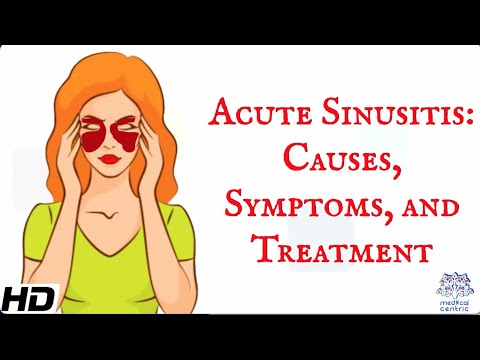
Have you ever felt pressure in your face, a stuffy nose, or a sudden headache that just won’t quit? You might be experiencing acute sinusitis. This common condition can leave you feeling miserable, but understanding its causes and symptoms can help you take better care of yourself.
Acute sinusitis occurs when your sinuses—air-filled spaces in your skull—become inflamed due to infection, allergies, or other irritants. Imagine your sinuses as small balloons; when they get clogged with mucus or swollen, it’s like trying to blow air into a deflated balloon—it just doesn’t work well!
Recognizing the signs of acute sinusitis is crucial. You may experience:
The information provided in this article is intended solely for general informational and educational purposes. It does not constitute medical advice, diagnosis or professional treatment, and should not be considered a substitute for consultation with a qualified doctor or other licensed healthcare professional. Any health-related decisions should be made in consultation with accredited medical professionals.
While efforts have been made to ensure the information is accurate and up to date, no guarantees are given—either express or implied—regarding its accuracy, completeness, currency or suitability. Use of this information is at your own discretion.
It is strongly recommended to consult official sources such as the NHS (National Health Service) or other recognised medical institutions before acting on any information contained on this website or article. Under no circumstances should professional medical advice be ignored or delayed due to content read here.
This content is of a general and informational nature only. It is not intended to replace individualised guidance from a healthcare professional or to establish any doctor-patient relationship. The publication of this information does not imply any professional responsibility, guarantee or obligation on the part of the author or this site.
While acute sinusitis often resolves on its own within a week or two, it’s essential to stay informed about the condition. Sometimes, what seems like a simple cold could lead to complications if not properly addressed.
Always remember: self-education is vital. Seek information from various specialists and trusted sources when it comes to health matters like acute sinusitis. Your body deserves the best care possible!
Uncovering the Triggers Behind Sudden Sinus Inflammation
Sudden sinus inflammation can be quite uncomfortable and often surprising. Understanding what triggers acute sinusitis is key to managing it effectively.
Acute sinusitis occurs when the sinuses become inflamed. Imagine your sinuses as small air-filled pockets in your skull. When they get blocked, fluid can build up, leading to infection and inflammation.
There are several common triggers for this condition:
Recognizing symptoms is just as important as identifying triggers. Common signs of acute sinusitis include:
It’s important to remember that while many people experience these symptoms due to viral infections, they can evolve into a bacterial infection if symptoms last more than ten days.
Managing sinusitis usually involves symptomatic relief. This could mean using saline sprays or warm compresses. Staying hydrated is also essential since it helps thin mucus.
However, if symptoms worsen—like developing a high fever—or persist longer than expected, reaching out for professional guidance is crucial.
In conclusion, understanding what might cause sudden sinus inflammation helps you take informed steps toward relief. It’s all about recognizing patterns in how you feel and responding smartly to those signals from your body.
Unraveling the Triggers Behind Your Sinus Struggles
Sinuses are air-filled spaces located in your skull. They help filter the air we breathe and make our voices sound fuller. When they get inflamed, it can lead to a condition known as acute sinusitis.
Acute sinusitis typically occurs when your sinuses become infected or blocked. It’s often caused by a viral infection, like the common cold. However, other factors can also trigger sinus issues.
Common causes include:
When these triggers cause inflammation, mucus builds up in the sinuses. This can create discomfort and lead to other symptoms.
Symptoms of acute sinusitis may include:
The duration of acute sinusitis is usually short, lasting less than four weeks. If symptoms persist longer, it’s important to consider seeking medical advice.
It’s interesting to note that not all sinus issues stem from infections. Allergies are a significant factor too. For example, pollen can trigger an allergic reaction leading to inflammation in the sinuses.
Inhaling irritants like smoke or strong odors can also initiate inflammation. This is similar to how a bee sting can cause swelling around the area it punctured.
Many people think antibiotics are the go-to solution for any sinus issue. However, since most cases of acute sinusitis are viral, antibiotics won’t help and could even create resistance over time.
If you’re struggling with repeated bouts of sinusitis, evaluating your environment might be helpful. Identifying allergens and avoiding them when possible is crucial for management.
Staying hydrated helps thin mucus and promotes drainage from the sinuses. A humidifier can also be beneficial by keeping air moist during dry seasons.
Ultimately, understanding what triggers your sinus struggles allows you to make informed decisions about managing symptoms effectively. Stay aware of how changes in weather or exposure to allergens affect you!
Also remember that if you frequently experience severe symptoms or complications arise, consulting with a healthcare professional is key for determining an appropriate course of action tailored specifically for you.
Effective Strategies for Relief and Recovery
Acute sinusitis can be uncomfortable, but there are effective strategies to relieve symptoms and support recovery. Understanding these methods can help you feel better sooner.
First, let’s talk about hydration. Drinking plenty of fluids helps thin mucus. This makes it easier for your sinuses to drain. Think of it like keeping a sponge wet—it absorbs better when it’s moist.
Next, steam inhalation is a gentle way to soothe your sinuses. You can take a hot shower or simply breathe in steam from a bowl of hot water. Just remember to keep your face at a safe distance!
Warm compresses applied to your face may provide relief as well. They can help ease pain and pressure around the nose and forehead area, almost like hugging the area with warmth.
Over-the-counter medications might also be helpful. Nasal decongestants can clear up swollen nasal passages, while pain relievers like ibuprofen or acetaminophen offer relief from headache and facial pain.
Resting is crucial as well. Your body needs energy to fight off infection. Think of sleep as charging a battery; the more charged you are, the better you’ll feel.
Humidifiers can add moisture to the air in your home, making it easier for you to breathe and keeping that mucus flowing nicely.
Finally, don’t underestimate the power of avoiding irritants such as cigarette smoke or strong odors. These can aggravate your sinuses even more.
In summary:
These strategies focus on comfort and supporting recovery from acute sinusitis but always consult with professionals if you’ve got concerns or if symptoms persist longer than expected. Taking care of yourself is key!
Acute sinusitis is a common condition that many people experience, yet it often goes misunderstood. It occurs when the sinuses—air-filled spaces in the skull—become inflamed, usually due to an infection, allergy, or other irritants.
Causes of acute sinusitis often include viral infections like the cold or flu. Sometimes bacteria can take over after the initial viral illness. Allergens such as pollen and dust can also trigger inflammation.
When it comes to symptoms, individuals may experience facial pain or pressure, nasal congestion, and a thick nasal discharge. Other signs might include headaches, fever, and a reduced sense of smell or taste. Understanding these symptoms is crucial for both seeking appropriate treatment and managing expectations.
It’s important to recognize that while acute sinusitis can be uncomfortable, it’s typically self-limiting and may resolve on its own within weeks. However, if symptoms persist beyond 10 days or worsen after initial improvement, consulting a healthcare provider is advisable. They can help determine whether further intervention is needed.
Prevention focuses on avoiding respiratory infections through good hygiene practices—like frequent handwashing—and managing allergies effectively with proper medications.
By understanding acute sinusitis better—its causes and symptoms—we empower ourselves to make informed decisions about our health and overall wellness.