The information provided in this article is intended solely for general informational and educational purposes. It does not constitute medical advice, diagnosis or professional treatment, and should not be considered a substitute for consultation with a qualified doctor or other licensed healthcare professional. Any health-related decisions should be made in consultation with accredited medical professionals.
While efforts have been made to ensure the information is accurate and up to date, no guarantees are given—either express or implied—regarding its accuracy, completeness, currency or suitability. Use of this information is at your own discretion.
It is strongly recommended to consult official sources such as the NHS (National Health Service) or other recognised medical institutions before acting on any information contained on this website or article. Under no circumstances should professional medical advice be ignored or delayed due to content read here.
This content is of a general and informational nature only. It is not intended to replace individualised guidance from a healthcare professional or to establish any doctor-patient relationship. The publication of this information does not imply any professional responsibility, guarantee or obligation on the part of the author or this site.
Understanding Pulmonary Tuberculosis: Symptoms and Treatments
Have you ever wondered why tuberculosis, or TB as it’s often called, still affects millions of people today? It’s a bit surprising given how far medicine has come. This infectious disease primarily targets the lungs and can be quite tricky to spot at first.
Many of us think TB is a thing of the past, but look, it’s still very much around. The truth is, understanding pulmonary tuberculosis is crucial for recognizing its symptoms early and getting effective treatment. And trust me, early detection can make all the difference.
In this article, we’ll break down what pulmonary tuberculosis really is. You’ll learn about common symptoms that might fly under the radar and effective treatments that can help people get back on their feet. We’ll keep it straightforward. After all, knowledge is power when it comes to our health.
Just one note: while this information aims to help you understand TB better, it doesn’t replace professional medical advice. Always chat with a healthcare provider for decisions about your health.
Understanding the Signs and Solutions for Pulmonary Tuberculosis
Understanding Pulmonary Tuberculosis
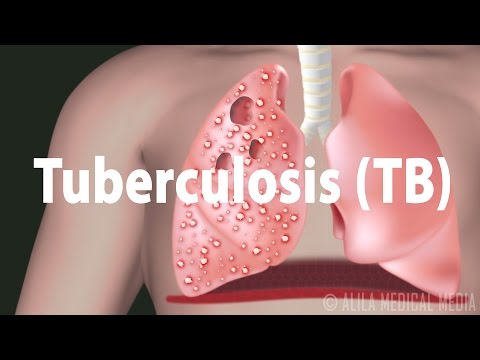
Pulmonary tuberculosis (TB) is an infection in the lungs caused by the bacterium Mycobacterium tuberculosis. It can sound pretty scary, but many people live with it and get treated successfully. Let’s break down some common signs you might notice if you or someone around you has this condition.
Symptoms of Pulmonary Tuberculosis
- Chronic Cough: One of the most telling signs is a cough that lasts for more than three weeks. If it’s producing mucus, that’s even more important to note.
- Weight Loss: Unexplained weight loss can happen because your body is fighting off the infection.
- Night Sweats: Some folks experience drenching sweats while they sleep. It’s not just annoying; it can be indicative of TB.
- Fatigue: Feeling tired all the time? That could be a symptom too, as your body works hard to combat the disease.
- Chest Pain: Discomfort or pain in your chest when breathing or coughing can also signal pulmonary TB.
If you’re thinking, “Whoa, that sounds intense,” remember that these symptoms can overlap with other illnesses too. It’s easy to worry when noticing one of these signs, but having just one doesn’t mean you have TB. Still, checking with a healthcare provider is always a smart move.
The Importance of Diagnosis
The thing is, getting diagnosed early makes a huge difference. Doctors typically use several tests like skin tests or blood tests to check for TB exposure. A chest X-ray can also help visualize any lung issues. If there’s suspicion of an active infection, sputum tests are performed to see if bacteria are present in mucus from your lungs.
Treatment Options Available
If diagnosed with pulmonary tuberculosis healthcare providers often recommend a course of antibiotics specifically designed for treating TB. The process usually spans six months or longer—yeah, it requires some commitment! Following through with the entire regimen is crucial for effectiveness and preventing further spread.
- Isoniazid and Rifampin: These are two main medications used in treatment plans.
- Ethambutol and Pyrazinamide: Sometimes added based on how severe the TB strain might be.
A key point here is adherence to medication schedules; missing doses might lead to drug resistance. This means that standard treatments become ineffective—a situation everyone wants to avoid!
Lifestyle Changes That Can Help
You know, alongside medication, there are lifestyle changes that enhance recovery. Eating nutritious foods helps strengthen your immune system—so think about plenty of fruits and veggies! Staying hydrated and getting enough sleep is crucial too.
Avoiding alcohol and quitting smoking are also beneficial since both can harm lung health further during recovery from an infection like TB…
Mental Health Matters Too
You shouldn’t underestimate how dealing with any chronic illness—including pulmonary tuberculosis—can affect mental health. It’s vital to talk about what you’re feeling; whether it’s anxiety about treatment or concern for contagion. Support groups or therapy might offer relief during challenging times.
You Are Not Alone
This whole journey can feel overwhelming at times—especially if you’re navigating it solo—but reaching out helps! Remember professionals are there ready to aid you in understanding pulmonary tuberculosis better.
Check into resources available locally so you don’t have to go through this alone!
Uncovering the Hidden Causes Behind a Persistent Illness
Understanding Pulmonary Tuberculosis
Pulmonary tuberculosis, or TB, is an infection that primarily affects the lungs. It’s caused by a bacterium called Mycobacterium tuberculosis. You might be wondering, how do people get it? Well, TB spreads through the air when someone with active TB coughs or sneezes. Think of it like catching a cold. If you’re nearby and inhale those tiny droplets, you can get infected.
Symptoms to Watch For
Detecting TB early can be tricky, as its symptoms often resemble those of other illnesses. Common signs include:
- A persistent cough lasting more than three weeks.
- Chest pain or discomfort.
- Weight loss without trying.
- Fever and night sweats.
If you notice these symptoms lingering for a while, it’s worth talking to a healthcare provider. Sometimes people ignore them thinking it’ll just pass, but early detection is key.
The Hidden Causes
You know how sometimes you think you might have a minor issue but it turns out to be something more serious? The same goes for pulmonary TB. Factors like weakened immune systems—due to conditions like HIV/AIDS—or living in crowded settings increase your risk of developing TB.
Poor nutrition can also play a role in making one susceptible to infections. When your body doesn’t have the nutrients it needs, it can’t fight off germs as effectively. It’s like trying to run on an empty tank; you just won’t go very far.
Treatments Available
If diagnosed with TB, treatment usually involves antibiotics taken over several months. The combination of meds helps ensure that all the bacteria are killed off completely and reduces the chance of drug resistance—a term used when germs no longer respond to medications meant to kill them.
- Common antibiotics prescribed include Isoniazid and Rifampin.
- Treatment duration can last anywhere from six months to two years depending on various factors.
It’s critical to complete the full course even if you start feeling better; stopping early can allow bacteria to survive and become stronger against treatments later on.
Myths Surrounding Tuberculosis
There are some common misconceptions about tuberculosis that deserve attention. One is that only people with poor hygiene get sick from TB; this isn’t true! It can affect anyone regardless of their cleanliness or lifestyle choices.
An other myth suggests that once you’ve had TB, you’re immune forever—this isn’t accurate either! You could become re-infected if exposed again under certain conditions.
The Importance of Awareness
Awareness about pulmonary tuberculosis not only helps individuals recognize symptoms earlier but also fosters compassion toward those affected by it. Remember, this isn’t just someone else’s problem; it impacts communities at large!
If you’ve been feeling unwell for some time or suspect something’s wrong, don’t hesitate—reach out for proper testing and support! Early intervention remains crucial in tackling any illness effectively!
Exploring Hope and Healing in the Battle Against Tuberculosis
Understanding Tuberculosis
Tuberculosis, or TB, is an infectious disease primarily affecting the lungs. It’s caused by a bacterium called Mycobacterium tuberculosis. When someone with active TB coughs or sneezes, tiny droplets filled with bacteria can spread through the air.
Symptoms of pulmonary tuberculosis often start subtly. You might feel tired or weak, experience weight loss, and have a persistent cough that lasts for weeks. Sometimes there’s chest pain and even coughing up blood. Even though these sound serious, many people initially mistake them for a common cold or flu.
How TB Spreads
The thing is, TB isn’t as contagious as some might think. You would typically need prolonged exposure to someone who has active TB to catch it yourself. Just sitting next to someone for a short time usually isn’t enough.
If you think about it, it’s like sharing a long bus ride with someone who has a cold—it’s possible to catch something if you’re close enough and long enough.
Diagnosis
If you suspect you have TB, doctors will usually do tests like the Tuberculin skin test or blood tests to check for an infection. In some cases, getting chest X-rays assists in seeing if there’s any damage in your lungs.
Treatment Options
Treating tuberculosis isn’t like taking an antibiotic for a few days and calling it good. The treatment generally involves several antibiotics taken over six to nine months. This long duration aims to ensure all bacteria are eliminated and prevent drug resistance.
Importance of Adhering to Treatment
Adhering strictly to the prescribed treatment is crucial because missing doses can lead to resistant strains of TB—making it harder and sometimes impossible to treat later on!
You know? If you think about medication as a playlist where every song matters; skipping one could throw off the entire vibe.
The Emotional Side of TB
The emotional toll of battling tuberculosis shouldn’t be overlooked either. Many individuals face stigma attached to the disease because it’s often associated with poverty or poor health conditions.
This stigma can affect mental health seriously; feelings of isolation can grow when people are hesitant to talk about what they’re going through.
A Glimmer of Hope
Despite its grave nature, hope remains in advancements in research and healthcare access worldwide. New medications are being developed continuously while community programs aim at better education around tuberculosis prevention and treatment options.
{” “}
The journey may be challenging but understanding more about this disease brings us closer together in support—and healing can occur when we sit down together and openly discuss our experiences.
Your Role in Fighting TB
- Engaging in awareness campaigns helps educate others about prevention methods.
- If you know someone suffering from this illness, just being there goes a long way—sometimes just showing up is what folks need most!
Your Next Steps
If you’re concerned about symptoms related to tuberculosis or think you might be at risk, seeking medical advice is key! Early intervention really makes big differences—after all success stories come from early diagnosis leading patients toward appropriate treatment pathways!
Understanding Pulmonary Tuberculosis: Symptoms and Treatments
Pulmonary tuberculosis (TB) is a serious infectious disease that primarily affects the lungs. It’s caused by the bacterium Mycobacterium tuberculosis, which spreads through the air when an infected person coughs or sneezes. This means that close contact can lead to transmission, so understanding its symptoms and treatments is key for prevention.
The symptoms of pulmonary TB can be quite alarming. They often include a persistent cough, chest pain, weight loss, fever, and night sweats. Sometimes, people might think they just have a bad cold or flu at first. But if these symptoms linger for more than a few weeks, it’s really important to get checked out. Early diagnosis can make a huge difference in outcomes.
Treatment for pulmonary TB involves taking antibiotics over an extended period—usually about six months. It’s crucial for patients to complete the full course to ensure all bacteria are eliminated and to prevent drug resistance. The process can be difficult; side effects from the medications may occur, but those need to be managed carefully with medical guidance.
It’s also worth noting that directly observed therapy (DOT) is often recommended as an effective way to ensure adherence to medication because sometimes patients might skip doses without realizing it could harm their recovery.
Pulmonary TB remains a significant public health challenge globally—especially in areas with high rates of HIV or those living in crowded conditions where transmission can be more likely. Despite being curable with proper treatment, many still face barriers like stigma or lack of access to healthcare services.
In summary, understanding pulmonary tuberculosis goes beyond just knowing its symptoms and treatments; it’s about comprehending its impact on individuals and communities. Awareness plays a critical role in combating this disease effectively.