The information provided in this article is intended solely for general informational and educational purposes. It does not constitute medical advice, diagnosis or professional treatment, and should not be considered a substitute for consultation with a qualified doctor or other licensed healthcare professional. Any health-related decisions should be made in consultation with accredited medical professionals.
While efforts have been made to ensure the information is accurate and up to date, no guarantees are given—either express or implied—regarding its accuracy, completeness, currency or suitability. Use of this information is at your own discretion.
It is strongly recommended to consult official sources such as the NHS (National Health Service) or other recognised medical institutions before acting on any information contained on this website or article. Under no circumstances should professional medical advice be ignored or delayed due to content read here.
This content is of a general and informational nature only. It is not intended to replace individualised guidance from a healthcare professional or to establish any doctor-patient relationship. The publication of this information does not imply any professional responsibility, guarantee or obligation on the part of the author or this site.
Have you ever felt a tightness in your chest after climbing a few flights of stairs? It’s a common worry for many, and it can make you think about your heart health. Seriously, heart disease is one of the leading causes of death worldwide. That’s why understanding what options are available to help your heart is so important.
This article will focus on angioplasty surgery—a procedure that can open up blocked arteries. You might wonder, what does this mean for me? Well, if you or someone you love has been diagnosed with blocked arteries, knowing about angioplasty could be life-changing.
We’ll break down what angioplasty involves, the risks and benefits, and what recovery looks like. By the end of this read, you should feel more informed and empowered about your heart health choices. Remember though, this content doesn’t replace professional medical advice. Health decisions should never rely solely on this article; always consult a healthcare professional if you have concerns.
Understanding the Potential Dangers of Stent Procedures
Stents are small, mesh-like devices used to keep blood vessels open, particularly after angioplasty. While they can be lifesaving, it’s essential to understand their potential dangers.
What is Angioplasty?
Angioplasty is a procedure that opens narrowed or blocked arteries. During this process, a tiny balloon is inflated inside the artery. Once the artery opens, a stent may be inserted to maintain that openness.
The Risks of Stenting
One of the main risks associated with stenting is blood clots. Sometimes, a clot can form on the stent. This can block blood flow and lead to serious complications like heart attack.
- Stent thrombosis: This is when a clot forms on the stent and can cause sudden blockages.
- Bleeding complications: The procedure may cause bleeding at the site where tools were inserted into your body.
- Infection: Like any surgical procedure, there’s always a risk of infection.
Benefits vs Risks
The decision to use a stent often involves weighing benefits against risks. For many people with significant artery blockage, stents improve blood supply to the heart muscle and reduce symptoms like chest pain.
Long-term Considerations
A lot of patients might not realize that stents are typically accompanied by medications called antiplatelet agents. These drugs help prevent blood clots but come with their own set of considerations, like increased bleeding risk during injuries or surgeries.
When Stenting May Not Be Necessary
If someone has mild blockages or if lifestyle changes could improve their condition, doctors might suggest managing heart health without immediate intervention. Sometimes diet and exercise play crucial roles in heart disease management.
Your Role in Decision-Making
You have an important part in deciding whether to go forward with a stent. Make sure you’re discussing all your questions and concerns with your healthcare team. As they say: knowledge is power!
An Example from Real Life
A friend might tell you about their experience with angioplasty and how it changed their life for the better after suffering from chest pains; however, it’s important to remember that everyone’s situation is different.
The Bottom Line
Keeps in mind that while stents can help restore normal circulation in coronary arteries, understanding potential dangers helps ensure informed decisions about heart health interventions. So ask questions and be an active participant!
Essential Tips for a Smooth Recovery Journey
Understanding Angioplasty Surgery
Angioplasty is a procedure doctors use to open narrowed or blocked arteries in your heart. Think of it like unblocking a straw. When the artery gets clogged with fatty deposits called plaque, blood flow becomes restricted. This can lead to chest pain or even a heart attack.
The actual procedure involves inserting a thin tube called a catheter into an artery, usually in your groin or wrist. A small balloon at the tip of the catheter is inflated to widen the artery. Sometimes, doctors also place a stent—like a tiny mesh tube—to keep the artery open.
Preparing for Recovery
Before undergoing angioplasty, it’s vital to understand what recovery looks like. You might feel anxious, and that’s totally normal! Proper preparation can ease some of those worries.
First off, have someone ready to drive you home after the surgery. You won’t be able to drive yourself due to anesthesia effects. Also, plan for some time off work, depending on your job and how you feel post-surgery.
The First Few Days
After the surgery, you might experience some pain or discomfort at the insertion site. This is normal; think of it as your body healing from an important repair job.
You should rest as much as possible during the first few days. It’s okay to move around lightly but avoid heavy lifting or strenuous activities until your doctor gives you the go-ahead.
Eating Right
Your diet plays an important role in heart health and recovery too! A heart-healthy diet includes fruits, veggies, whole grains, and lean proteins. Try steering clear of processed foods high in sugar and saturated fats; they don’t do your heart any favors.
Medication Management
You’ll likely need medications after angioplasty—like blood thinners—to prevent clots from forming around the stent. It’s super important to take these exactly as prescribed!
Keep an Eye on Symptoms
If you notice anything unusual during recovery—like excessive swelling, intense pain that doesn’t let up, or signs of infection—don’t hesitate to contact your healthcare provider! Your peace of mind matters just as much as your physical health.
Mental Well-Being Matters Too
Your emotional health is key during recovery! It can be overwhelming dealing with concerns about heart health and lifestyle changes. Talking with friends or family can help lighten that mental load.
If you’re feeling really down or anxious for more than a couple weeks post-surgery, consider reaching out for professional support from a counselor or therapist who specializes in chronic illness.
The Long-Term View
Recovery doesn’t end when you leave the hospital; it’s just starting! Regular follow-ups with your doctor are essential for monitoring heart health over time.
- Aim for regular exercise once cleared by your doctor; aim for at least 30 minutes most days!
- Stay informed about signs of trouble so you know when something’s not right!
- Create healthier habits gradually—you don’t need major changes overnight!
Your journey towards better heart health may have ups and downs but remember that each step counts! Give yourself grace throughout this process: healing takes time!
Understanding the Hidden Dangers of Angioplasty Procedures
What is Angioplasty?
Angioplasty is a common procedure used to treat narrowed or blocked arteries, primarily in the heart. It aims to restore blood flow by inserting a small balloon into the affected artery and inflating it. Often, a stent, which is a tiny mesh tube, is placed to keep the artery open.
Why Do People Need Angioplasty?
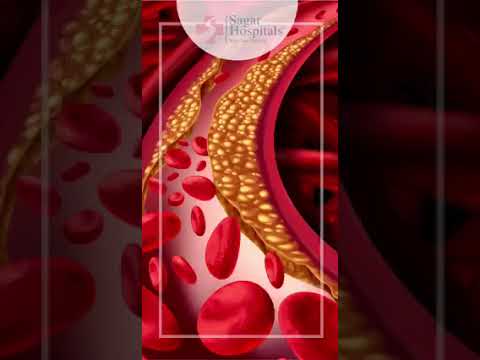
People often need angioplasty because of coronary artery disease. This condition can develop from factors like high cholesterol, smoking, or high blood pressure. The buildup of fatty deposits, known as plaques, can restrict blood flow and lead to serious complications like heart attacks.
The Hidden Dangers
While angioplasty can be life-saving, it’s not without risks. Sometimes patients experience complications that aren’t immediately obvious. For instance:
- Restenosis: This refers to the re-narrowing of the artery after it has been treated. It can happen over time even after a successful procedure.
- Bleeding: Insertion points for catheters may bleed post-surgery. This can vary from mild bruising to more severe bleeding requiring intervention.
- Allergic Reactions: Some people might react adversely to contrast dye used during angioplasty.
- Heart Rhythm Issues: Abnormal heart rhythms, though usually temporary, can occur during or after the procedure.
The Importance of Discussions with Your Doctor
You know? It’s crucial to have an open chat with your healthcare provider about these risks before undergoing angioplasty. They will help you weigh the benefits against potential dangers based on your individual health situation.
Lifestyle Changes Matter
If you’ve had angioplasty or might need one in the future, lifestyle changes are key! Things like eating healthier foods and exercising play a vital role in improving overall heart health.
A Balanced View
Nobody likes talking about risks—it feels scary—but understanding them helps you make informed choices. Knowledge empowers you! Remember that while angioplasty may be necessary for some people, it’s never a standalone solution; ongoing care matters just as much.
A Final Thought
If you’ve undergone an angioplasty or know someone who has gone through it: support each other through recovery and lifestyle modifications! Ask questions if anything seems unclear; staying proactive regarding your health really makes a difference!
Angioplasty surgery is a procedure that helps open narrowed or blocked arteries in the heart. You know, it’s a bit like clearing a clogged drain. When arteries get blocked, blood can’t flow freely, which can lead to serious issues like heart attacks.
A key insight is understanding why this procedure is done. Often, it’s necessary due to coronary artery disease, where plaque builds up inside the arteries. This can be caused by factors like high cholesterol, smoking, and high blood pressure. So really, if we want to maintain heart health, lifestyle choices play a huge role.
During angioplasty, doctors usually insert a thin tube called a catheter into an artery and guide it to the blockage. They then expand it with a small balloon and often place a stent—a tiny mesh tube—to keep the artery open. It’s fascinating how technology helps us treat heart disease.
Recovery from angioplasty tends to be quick for most people. Many return to normal activities within just days. However, ongoing care is critical; patients should follow their healthcare provider’s advice on medications and lifestyle changes.
Understanding angioplasty helps demystify this crucial process in cardiovascular care. It also emphasizes how maintaining healthy habits can potentially prevent the need for such interventions down the road.