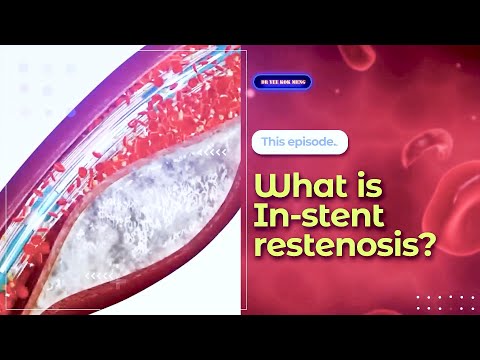
The information provided in this article is intended solely for general informational and educational purposes. It does not constitute medical advice, diagnosis or professional treatment, and should not be considered a substitute for consultation with a qualified doctor or other licensed healthcare professional. Any health-related decisions should be made in consultation with accredited medical professionals.
While efforts have been made to ensure the information is accurate and up to date, no guarantees are given—either express or implied—regarding its accuracy, completeness, currency or suitability. Use of this information is at your own discretion.
It is strongly recommended to consult official sources such as the NHS (National Health Service) or other recognised medical institutions before acting on any information contained on this website or article. Under no circumstances should professional medical advice be ignored or delayed due to content read here.
This content is of a general and informational nature only. It is not intended to replace individualised guidance from a healthcare professional or to establish any doctor-patient relationship. The publication of this information does not imply any professional responsibility, guarantee or obligation on the part of the author or this site.
Have you or someone you know ever felt relieved after getting a stent placed, only to wonder what happens next? You’re not alone. Many people experience a mix of hope and anxiety after procedures like angioplasty. It’s a big step towards better heart health, but there’s something important to understand: restenosis.
Restenosis is the re-narrowing of the arteries after they’ve been opened up with a stent. This can be frustrating because, despite modern advancements, it still happens in some patients. Honestly, knowing about this helps you stay informed and proactive.
This article will break down what restenosis is, why it occurs, what’s being done to prevent it, and how it might affect your future health. It matters because being aware lets you have more meaningful conversations with your doctor about your ongoing care.
Please remember that while this info aims to clarify your understanding, it’s not a substitute for professional medical advice. Always consult your healthcare provider when making health decisions—they know your situation best!
Essential Strategies for Long-Lasting Results After Your Procedure
Understanding Restenosis After Angioplasty and Stenting
Angioplasty and stenting are common procedures to help open blocked arteries. They can relieve symptoms like chest pain and improve blood flow. But, sometimes the arteries can narrow again, a condition known as restenosis.
What is Restenosis?
Restenosis occurs when the artery becomes narrow again after a procedure. It’s kind of like when you clean your room, but it gets messy again. In the case of arteries, scar tissue or new blockage can form.
Why Does It Happen?
There are several reasons for restenosis. Your body might react to the stent or balloon used in the angioplasty by creating scar tissue. This is a normal healing response, but in some cases, it goes a bit overboard.
- Scar Tissue: When you have angioplasty, the body heals by creating tissue, sometimes causing clots and narrowing.
- Atherosclerosis: If you’re dealing with artery hardening due to fat deposits, they might grow back even around the stent.
- Lifestyle Habits: Things like smoking or eating foods high in cholesterol can lead to future blockages.
Strategies for Long-Lasting Results
You might be wondering how to prevent these issues after your procedure. Here are some strategies that could help.
- Lifestyle Changes: Eating well is super important. A diet rich in fruits and vegetables can help keep your heart healthy. Think of it as giving your body premium fuel!
- No Smoking: Quitting smoking greatly impacts overall health and reduces reinfarction risks (which is just a fancy term for more blockages).
- Meds Compliance: Taking prescribed medications as directed helps keep blood vessels open and reduces clots forming.
- The Right Check-ups: Regular check-ups with your healthcare provider let you monitor your heart’s condition over time. It’s like regular tune-ups for your car!
The Role of Communication
Your team should be someone you’re comfortable talking with about any doubts or symptoms post-procedure. Don’t hesitate to ask questions if something feels off; it’s better than guessing!
A Final Thought
This journey involves both medical treatment and personal responsibility. While no method guarantees success, adopting healthier habits may contribute significantly towards avoiding restenosis after angioplasty and stenting.
Your heart health is worth investing time into—it’s not just about one procedure! Remember it’s an ongoing process that requires attention and care every day.
Understanding the Challenges of Artery Reblockage After Stent Placement
So, you’ve probably heard about stents, right? They’re tiny tube-like devices that help keep arteries open after a procedure called angioplasty. But sometimes, people experience a reblockage of the artery, a situation known as restenosis.
Restenosis happens when the artery narrows again despite having a stent in place. It’s kind of like after cleaning out a clogged drain; sometimes gunk builds up again. This process can be caused by various factors like inflammation and scar tissue formation.
Why Does Restenosis Occur?
The human body is super complex. When you insert a stent, it can trigger healing responses in your tissue. This may lead to an overgrowth of cells around the stent, creating new blockages.
- Injury Response: Placing the stent causes trauma to the artery wall. The body naturally tries to heal it.
- Cell Overgrowth: Sometimes, there’s too much cell growth in this healing process which leads to restenosisi.
- Bare Metal vs Drug-Eluting Stents: Bare metal stents are more prone to restenosis compared to drug-eluting ones that release medication designed to prevent cell growth.
Who’s at Risk?
Certain factors can heighten your chances of experiencing restenosis. These include age, diabetes, high blood pressure, and smoking history. Think about those as red flags that might signal more careful monitoring required after having a stent placed.
The Timeline of Restenosis
You might be wondering when it happens. Well, usually it occurs within six months after getting the stent but can pop up even later than that—sometimes even years down the road!
Treatment Options
If restenosis does occur, you have options for treatment. Doctors may suggest another angioplasty or using different types of stents again or medications aimed at reducing cell proliferation in your arteries.
- Angioplasty: A procedure where they expand the artery again with another balloon and possibly place a new stent.
- Bare-Metal Stents: Sometimes used if drug-eluting aren’t an option anymore or if there’s been previous reblockage.
- Avoidance Plans: It’s crucial to talk with your doctor about lifestyle choices—eating well and exercising! They really matter here!
Your Role in Prevention
You play an essential part too! Keeping up with regular doctor visits helps monitor any changes in your health status. It’s like checking tires on your car; don’t wait until they’re flat!
Your medication regimen is also important; sticking strictly to what your doctor prescribes can greatly decrease risks related to heart issues or reblockages.
The Bottom Line
No one wants their arteries getting blocked again after trusting doctors with their heart health. Understanding restenosis allows you to advocate for yourself and take proactive steps alongside medical guidance each step along away.
Revolutionizing Care for Reoccurring Blockages in Heart Stents
Understanding Restenosis After Angioplasty and Stenting
So, you might have heard about stents before. They’re small tubes placed in arteries to keep them open, especially during a heart procedure called angioplasty. But here’s the thing: sometimes these stents can face a problem known as restenosis.
What is Restenosis?
Restenosis refers to the re-narrowing of an artery after it has been treated with a stent. Imagine blowing up a balloon and then letting some air out; it doesn’t stay fully inflated forever, right? Similarly, after angioplasty and stenting, the artery might start to close up again.
This happens because the body reacts to the treatment. It tries to heal the area around the stent by creating new tissue. This is usually a good thing, but sometimes too much tissue builds up and causes narrowing.
Why Does It Happen?
The reasons behind restenosis are not completely understood, but there are several factors involved. For one, it can depend on individual biology—some people’s bodies just react differently than others. Additionally, type of stent used plays a role too.
- Wire-framed Stents: Older metal stents may lead to more cases of restenosis.
- Drug-eluting Stents: These newer versions release medication that helps prevent excessive cell growth but still have risks.
How Common is Restenosis?
The rates can vary widely based on risk factors like age, diabetes or other health conditions. Generally speaking, anywhere from 10% to 40% of patients might experience it within one year after their procedure.
Treating Restenosis
If someone does experience this re-narrowing issue, doctors usually consider follow-up treatment options. These can include repeat angioplasty or even bypass surgery in some cases.
An important approach today is using advanced techniques like drug-coated balloons that help keep arteries clear without adding more structure inside them—think of them like magic balloons that fight against closing up!
Lifestyle Factors Matter Too
You know what they say: prevention is better than cure! Maintaining a healthy lifestyle can really help reduce chances of restenosis for those who’ve had stents placed in their heart. Eating well and staying active makes all the difference!
- A Balanced Diet: Think fresh fruits and vegetables over processed foods.
- No Smoking: This one’s huge; smoking increases many risks related to heart health.
- Keepping Active: Regular exercise can improve overall vessel function.
The Bottom Line
If you or someone you know has had a heart procedure involving stenting, it’s important remaining aware about potential issues like restenosis. Understanding this topic better empowers patients when discussing options with healthcare providers—honestly communication counts!
Your journey doesn’t stop at the hospital door; staying informed sets up for better outcomes down the road!
Restenosis is a term that comes up often in discussions about angioplasty and stenting. It’s that frustrating situation where, after a procedure intended to widen blocked arteries, patients experience a recurrence of narrowing. This can happen in anywhere from 20% to 40% of cases, depending on various factors.
The thing is, when you perform angioplasty—where a balloon is inflated to open up an artery—a stent is usually placed to keep it open. However, the body sometimes responds by forming scar tissue inside the artery. Imagine trying to build a bridge, but instead of staying clear once it’s built, debris keeps piling up on it.
This process is influenced by several factors such as the patient’s biology, the underlying disease’s characteristics, and even the type of stent used. Some newer drug-eluting stents can help reduce this risk by releasing medication that inhibits excessive tissue growth.
Understanding restenosis isn’t just about knowing what happens physically; it’s also about considering how this impacts patient lives. The disappointment from undergoing a successful procedure only to face another blockage can be quite emotional.
So why does this matter? Well, recognizing the risk factors for restenosis allows for better patient education and potential lifestyle modifications, like managing cholesterol or quitting smoking. These changes might not guarantee avoidance but could certainly improve outcomes.
This whole topic underscores how crucial ongoing research and technology are in improving cardiovascular care. The more we learn about why restenosis occurs, the better equipped we become to tackle this challenge head-on.