The information provided in this article is intended solely for general informational and educational purposes. It does not constitute medical advice, diagnosis or professional treatment, and should not be considered a substitute for consultation with a qualified doctor or other licensed healthcare professional. Any health-related decisions should be made in consultation with accredited medical professionals.
While efforts have been made to ensure the information is accurate and up to date, no guarantees are given—either express or implied—regarding its accuracy, completeness, currency or suitability. Use of this information is at your own discretion.
It is strongly recommended to consult official sources such as the NHS (National Health Service) or other recognised medical institutions before acting on any information contained on this website or article. Under no circumstances should professional medical advice be ignored or delayed due to content read here.
This content is of a general and informational nature only. It is not intended to replace individualised guidance from a healthcare professional or to establish any doctor-patient relationship. The publication of this information does not imply any professional responsibility, guarantee or obligation on the part of the author or this site.
Have you ever thought about what’s really in that oyster on your plate? You might be surprised to learn that these little shellfish pack a nutritious punch.
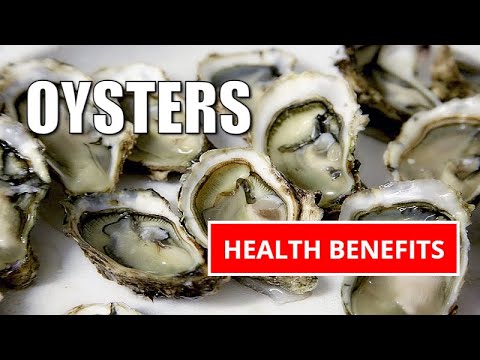
Oysters are often considered a delicacy, but their health benefits might just make you see them in a new light. Full of vitamins, minerals, and even some good fats, they can contribute positively to your diet. Plus, they’re low in calories—who wouldn’t love that?
But let’s be real: not everyone is a fan. Some find the texture off-putting while others worry about safety and sustainability. This article will dive into the nutrition and wellness aspects of oysters. We’ll explore their benefits, any potential risks, and how they fit into a balanced diet.
Your health journey is personal. This content isn’t meant to replace professional medical advice—always consult with a healthcare provider when making dietary choices or lifestyle changes.
So if you’re curious about whether oysters deserve a spot on your plate, keep reading! You might just find something surprising that will change your mind.
Unlocking the Secrets of Oysters for an Exciting Intimate Life
Are Oysters a Healthy Choice for Nutrition and Wellness?
Oysters have long been associated with wellness and intimacy. You might have heard that they’re an aphrodisiac, which is just a fancy way of saying they can supposedly increase sexual desire. But what’s really behind their reputation?
Nutritional Value of Oysters
First off, oysters are packed with nutrients. They’re low in calories but high in protein, which is great if you’re watching your weight. One serving contains zinc, iron, selenium, and vitamins like B12. These nutrients are crucial for overall health.
Zinc, in particular, plays a role in hormone production and immune function. A deficiency can lead to lower testosterone levels in men, which could affect libido. So eating oysters might help fill that gap!
Oysters and Omega-3 Fatty Acids
You’ve probably heard about omega-3 fatty acids being good for heart health. Well, oysters provide these beneficial fats too! They help reduce inflammation and improve circulation—both important for overall well-being.
Potential Risks to Consider
Now it’s not all sunshine and rainbows when it comes to eating oysters. Raw oysters can carry bacteria like Vibrio vulnificus that can lead to foodborne illnesses. Especially if you have a weakened immune system or liver disease, it’s wise to be cautious.
How to Enjoy Oysters Safely
If you want to indulge but stay safe, consider cooking them. Grilled or baked oysters retain their flavor while eliminating some of those risks associated with raw consumption.
The Experience Beyond Nutrition
Easting oysters can also be about the experience—the texture and flavor can stimulate your senses! Sharing this type of meal with someone special tends to create a more intimate atmosphere too.
A Conclusion on Oysters
In short, if you’re considering adding oysters into your diet for nutritional benefits or some romantic flair, go for it—but do so knowledgeably. Balance is key! And remember that individual dietary needs may vary quite a bit.
Discover the Surprising Nutritional Value Hidden in These Delicacies
Are Oysters a Healthy Choice for Nutrition and Wellness?
Oysters might not be the first thing that comes to mind when you think about health food. But hey, they really pack a punch in the nutrition department. Let’s break this down.
Nutritional Profile
For starters, oysters are low in calories. A typical serving of six medium oysters has just about 50 calories. Seriously! It’s like eating a light snack.
These little shellfish are also rich in protein. You can find around 6 grams of protein in that same serving. By comparison, that’s similar to a small piece of chicken or fish.
Vitamins and Minerals
Oysters shine when it comes to vitamins and minerals. They’re loaded with zinc, which is super important for a healthy immune system. Just three ounces of oysters can give you more than the daily recommended amount!
Beyond zinc, they also provide iron, selenium, and vitamin B12—all essential for various bodily functions like energy production and cell health.
Heart Health
You might be surprised to hear that oysters contain omega-3 fatty acids. These fats are known for supporting heart health by lowering bad cholesterol levels and reducing inflammation.
If you’re looking to include more heart-friendly foods into your diet, throwing some oysters on the grill could be a tasty option.
A Word on Safety
The thing is, while oysters have great nutritional benefits, they also need to be handled carefully. You see, raw oysters can harbor bacteria that may lead to foodborne illnesses.
If you’re pregnant or have certain health conditions, it’s best to avoid them raw. Cooking them kills harmful bacteria and makes them safer to eat.
Cultural Delicacy
In many cultures around the world, oysters are seen as a delicacy often associated with special occasions or romantic dinners. Enjoying them cooked or baked brings their unique flavor without sacrificing safety.
- Tasty Cooking Methods: Grilled with garlic butter or baked with cheese can transform these shellfish into delicious meals!
- Sustainability: Oysters are considered environmentally friendly because they help clean ocean water by filtering out pollutants—pretty cool right?
Your Takeaway
If you’re interested in diversifying your diet, adding oysters could be worth considering due to their impressive nutritional value. Just remember where you get them from and how you prepare them—it makes all the difference!
Ponder over trying this delicacy; it might just surprise you with both taste and nutrients!
Discover the Hidden Health Secrets of Oysters for Women
Are Oysters a Healthy Choice for Nutrition and Wellness?
Hey there! You might be curious about the health benefits of oysters, especially for women. Let’s dive into why they’re considered nutritious and what they can do for you.
Nutrient Powerhouse
Oysters are packed with essential nutrients. They’re rich in protein, which is vital for muscle repair and overall health. Also, they provide a good amount of omega-3 fatty acids. These healthy fats help lower inflammation and support heart health.
Iron Content
One cool thing about oysters is their high iron content. Iron is important because it helps carry oxygen in your blood. For women, especially during menstruation, getting enough iron is crucial to prevent fatigue and keep energy levels up.
Zinc Boost
These little mollusks are an excellent source of zinc. Zinc plays a role in immune function and skin health—two areas that many women focus on. It can also help regulate mood by supporting neurotransmitters that affect happiness levels.
Aphrodisiac Factor
You’ve probably heard that oysters are considered aphrodisiacs. While the science isn’t definitive, their zinc content might play a role in boosting libido by supporting hormone levels.
Low-Calorie Snack
If you’re watching your weight or looking for healthier snacks, oysters might be perfect! They’re low in calories yet high in vitamins and minerals, making them a smart choice if you want to satisfy hunger without piling on extra calories.
Sustainability Matters
It’s worth noting that oysters can be more environmentally friendly compared to other seafood options. Oysters help clean the water they live in by filtering out pollutants and excess nutrients—a win-win for your body and the ocean!
Potential Risks
However, enjoy them fresh! Eating raw or undercooked oysters can pose risks like foodborne illness due to bacteria or viruses present in some waters. So maybe consider cooking them if you’re worried about safety.
Final Thoughts
In sum, while oysters are generally healthy due to their nutrient profile, it’s important to include them as part of a balanced diet rather than relying solely on them for nutrition. Always listen to your body—what works for one person might not work for another!
If you’re unsure how they fit into your dietary needs or have any concerns, consulting with someone knowledgeable about nutrition could be helpful.
Are Oysters a Healthy Choice for Nutrition and Wellness?
Oysters are often regarded as a delicacy, but they’re also packed with nutrients that can be beneficial for overall health. These shellfish are low in calories, making them a great option for those looking to maintain a healthy weight.
One standout feature of oysters is their high zinc content. Zinc is crucial for immune function and helps in wound healing. Think of it as your body’s defender, fighting off illness and keeping you strong.
Additionally, oysters provide plenty of omega-3 fatty acids. These healthy fats support heart health by lowering inflammation and improving cholesterol levels. Imagine buffering the effects of unhealthy diets with these little guys.
However, it’s important to consider the source. Eating raw or undercooked oysters can lead to foodborne illnesses due to bacteria like Vibrio. Always ensure you’re getting them from reputable suppliers and follow safety guidelines when consuming them.
Another aspect worth mentioning is their mercury content. Generally, oysters are lower in mercury compared to larger seafood like tuna, making them a safer choice if you’re concerned about heavy metals in your diet.
Incorporating oysters into your diet can offer various health benefits but do so mindfully. They should be part of a balanced diet that includes fruits, vegetables, whole grains, and other protein sources.
If you’re allergic or have digestive issues linked with shellfish, it’s best to avoid them altogether. Always listen to your body—it knows what works for you!