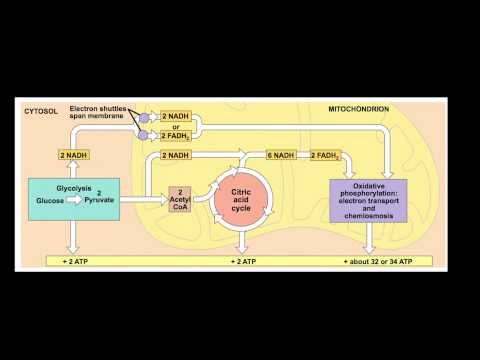
Imagine your body as a bustling city, with countless activities happening all the time. Just like this city needs energy to keep everything running smoothly, our bodies need a special kind of fuel to power every move we make. Enter ATP, or adenosine triphosphate—a tiny molecule that serves as the energy currency of our cells. Without it, even the simplest tasks would come to a halt.
ATP is produced in the mitochondria, often called the powerhouse of the cell. Think of mitochondria as little power plants working tirelessly to generate ATP from the food we consume and the oxygen we breathe. This precious molecule is involved in everything from muscle contractions to cellular repair, making it essential for life itself.
However, it’s important to remember that while ATP plays a vital role in our health and energy production, misinformation can circulate easily. Always seek knowledge from diverse specialists and credible sources when exploring complex topics like ATP and energy metabolism. Engage with varied media—books, documentaries, reputable websites—to ensure you understand this essential aspect of biology fully. After all, informed choices lead to a healthier life!
The information provided in this article is intended solely for general informational and educational purposes. It does not constitute medical advice, diagnosis or professional treatment, and should not be considered a substitute for consultation with a qualified doctor or other licensed healthcare professional. Any health-related decisions should be made in consultation with accredited medical professionals.
While efforts have been made to ensure the information is accurate and up to date, no guarantees are given—either express or implied—regarding its accuracy, completeness, currency or suitability. Use of this information is at your own discretion.
It is strongly recommended to consult official sources such as the NHS (National Health Service) or other recognised medical institutions before acting on any information contained on this website or article. Under no circumstances should professional medical advice be ignored or delayed due to content read here.
This content is of a general and informational nature only. It is not intended to replace individualised guidance from a healthcare professional or to establish any doctor-patient relationship. The publication of this information does not imply any professional responsibility, guarantee or obligation on the part of the author or this site.
Unlocking the Powerhouse: How ATP Fuels Life’s Energy Needs
ATP, or adenosine triphosphate, is often called the “energy currency” of life. Think of it as the battery that powers every cell in your body. Just like you need batteries for your remote to work, cells need ATP for their processes.
When we eat food, our bodies break it down into smaller units. These units, particularly glucose, are used to produce ATP through various biochemical pathways. It’s a bit like cooking a meal. You gather ingredients (food), prepare them (digestion), and end up with a dish that provides energy.
ATP itself is made up of three phosphate groups. When one of these phosphate groups is broken off during a reaction, energy is released. This release fuels everything from muscle contractions to nerve impulses.
Here are some key points about ATP:
The amount of ATP produced can change based on activity levels. For instance, during exercise, your muscles demand more ATP. This increase in demand can lead to faster energy production through aerobic or anaerobic processes.
Interestingly, ATP isn’t stored for long periods in cells. It’s constantly being used and regenerated. Imagine using cash; you spend it quickly but also receive income regularly.
Some people think they can boost their energy by taking supplements claiming to increase ATP levels directly. However, your body regulates its own production based on needs and availability of nutrients naturally.
It’s important to understand that while ATP is vital for energy production, overall health relies on a balanced diet and lifestyle choices too. Eating well supports the body’s ability to produce enough ATP efficiently.
So next time you feel energized after a meal or tired from exertion, remember: it’s all about how well your body creates and utilizes this amazing molecule called ATP!
Uncovering the Energy Sources Behind Cellular Powerhouses
Cells are like tiny power plants, constantly producing energy to keep our bodies functioning. The main fuel that powers these cellular engines is ATP, or adenosine triphosphate.
Think of ATP as the “battery” that stores and transports energy within cells. When your body needs energy for tasks like muscle contraction or cell division, ATP is ready to go.
But where does ATP come from? Cells generate ATP through a process called cellular respiration. This process mainly occurs in the mitochondria, often referred to as the “powerhouses” of the cell.
In simple terms, cellular respiration involves breaking down nutrients—primarily glucose from carbohydrates and fatty acids from fats. Let’s break it down a bit further:
It’s fascinating how our bodies can convert food into energy! However, this process also requires oxygen—a reason why we breathe.
Some people believe that taking extra supplements will boost their energy levels by increasing ATP production. While it’s important to support your overall health with proper nutrition and hydration, remember that your body has its own efficient ways to make ATP when given the right ingredients.
In summary:
– ATP is essential for life; it fuels nearly every cell function.
– Our cells produce it primarily through cellular respiration.
– Mitochondria play a crucial role in making this happen.
Understanding these processes can empower you to make informed dietary choices and appreciate how your body works every day!
Unlocking the Power of Energy in Your Cells
Energy is essential for life. Every single cell in our body needs it to function properly. You might wonder: how do our cells produce this energy? The answer lies in a molecule called ATP, or adenosine triphosphate.
ATP is often referred to as the “energy currency” of our cells. Just like money, cells use ATP to “pay” for various activities. These can include muscle contractions, nerve impulses, and even the building of new molecules.
So, how does our body make ATP? It’s produced primarily through two processes: cellular respiration and fermentation. Think of these as different ways to generate electricity in a battery.
ATP consists of three phosphate groups. When one phosphate group is removed during a reaction, energy is released for the cell to use—kind of like taking coins out of a purse when you need cash.
This process doesn’t work in isolation; it involves many other molecules and pathways working together harmoniously. For example, enzymes play crucial roles in helping reactions occur smoothly.
Everyday activities consume ATP. When you exercise or think hard during a meeting, your body uses up this valuable energy source rapidly.
Interestingly, our bodies don’t store large amounts of ATP because it’s used quickly. Instead, they constantly produce it from nutrients we consume from food—think carbohydrates and fats.
Many people wonder about boosting their energy levels through diet or supplements. While certain foods can help maintain overall energy levels by supporting ATP production, no pill can magically increase your energy overnight.
A balanced diet rich in whole foods can be beneficial here—like fruits, vegetables, whole grains, lean proteins, and healthy fats. These provide essential vitamins and minerals that assist cellular functions!
Hydration also plays a key role. Water is not just crucial for digestion; it’s involved in chemical reactions that produce ATP too!
Understanding the importance of ATP helps highlight why proper nutrition and hydration matter so much for our daily well-being.
In conclusion, ATP powers nearly every function within us—from running marathons to simply blinking an eye! It reminds us that even though we can’t see these processes happening at the cellular level, they’re fundamental to our existence.
Take care of your body with good nutrition and hydration; your cells will thank you by keeping you energized!
ATP, or adenosine triphosphate, is often dubbed the “molecular currency” of energy in our bodies. This small molecule plays a pivotal role in fueling various functions necessary for life. When discussing ATP, it’s crucial to understand its role beyond just being an energy source.
ATP powers nearly every activity at the cellular level. Think of it as the battery that energizes your cells. When a cell requires energy, it breaks down ATP to release usable energy for tasks like muscle contractions, nerve impulse transmission, and biochemical reactions.
The production of ATP primarily occurs in the mitochondria, often referred to as the powerhouse of the cell. During cellular respiration, glucose and oxygen are converted into ATP through complex pathways. This process illustrates how our body transforms food into energy—similar to how a car converts fuel into motion.
However, it’s essential to recognize that ATP has a limited lifespan. Once it’s used for energy, it turns into ADP (adenosine diphosphate) and needs to be recharged through additional metabolic processes. This continuous cycle emphasizes the importance of maintaining a balanced diet rich in nutrients that support these metabolic functions.
Understanding ATP’s role helps debunk common myths surrounding quick-energy fixes or miraculous supplements promising instant boosts. True vitality comes from consistently nourishing our bodies with healthy foods and engaging in regular physical activity.
In summary, ATP is fundamental not only as an energy carrier but also in illustrating how our bodies operate like intricate engines needing proper fuel and care for optimal performance. By appreciating this intricate relationship between diet and energy production, we empower ourselves to make informed health decisions that enhance our overall well-being.