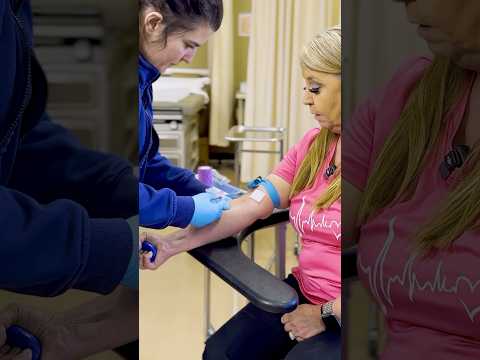
When you think about getting a blood test, your mind might not immediately jump to the person behind the needle—the phlebotomist. These skilled professionals play a crucial role in ensuring that your blood tests go smoothly. Imagine them as skilled artists, preparing their canvas for a masterpiece. In this case, however, the canvas is your arm, and the masterpiece is vital information about your health.
Phlebotomists are trained to take blood samples safely and efficiently. They’re often the first point of contact in labs or clinics, making their job essential for accurate diagnosis and treatment plans. Their expertise helps reduce anxiety around blood draws and ensures a comfortable experience for you.
It’s important to remember that while phlebotomists are vital in the testing process, understanding your health requires insight from various specialists. Each professional contributes unique knowledge and skills. Make it a point to ask questions and gather information from multiple sources—be it doctors, nurses, or reliable online resources. Being informed leads to better health decisions.
Knowing how integral phlebotomists are can enhance your appreciation for their work and motivate you to educate yourself about all aspects of your healthcare journey. Stay curious; there’s always more to learn!
The information provided in this article is intended solely for general informational and educational purposes. It does not constitute medical advice, diagnosis or professional treatment, and should not be considered a substitute for consultation with a qualified doctor or other licensed healthcare professional. Any health-related decisions should be made in consultation with accredited medical professionals.
While efforts have been made to ensure the information is accurate and up to date, no guarantees are given—either express or implied—regarding its accuracy, completeness, currency or suitability. Use of this information is at your own discretion.
It is strongly recommended to consult official sources such as the NHS (National Health Service) or other recognised medical institutions before acting on any information contained on this website or article. Under no circumstances should professional medical advice be ignored or delayed due to content read here.
This content is of a general and informational nature only. It is not intended to replace individualised guidance from a healthcare professional or to establish any doctor-patient relationship. The publication of this information does not imply any professional responsibility, guarantee or obligation on the part of the author or this site.
“Exploring the Essential Contributions of Phlebotomists in the Blood Donation Process”
Phlebotomists play a crucial role in the blood donation process. They are the professionals who draw blood from donors safely and efficiently. But their job goes beyond just taking blood samples.
First, let’s discuss what phlebotomists do. They prepare the equipment and make sure everything is sterile. This helps to avoid any infections during the blood donation.
Communication is key. Phlebotomists explain the donation process to donors. They answer any questions or concerns, ensuring people feel comfortable and informed. This support can ease anxiety, making the experience smoother.
Safety is always a priority. Phlebotomists check each donor’s health history before drawing blood. This step helps ensure that both the donor and the recipient of the blood stay safe.
During the actual donation, they monitor donors closely for any signs of discomfort or distress. If anything seems off, they know how to respond quickly.
After collecting blood, phlebotomists label and store samples correctly. Proper labeling ensures that each sample is easily tracked throughout testing processes in labs.
Phlebotomists also educate donors about what happens after donation. They inform them about potential side effects like feeling lightheaded or fatigued after giving blood.
The overall experience can be pleasant when a skilled phlebotomist is involved. Their calm demeanor and professional skills create an environment where many people choose to donate regularly.
In conclusion, phlebotomists are vital for successful blood donations and testing processes. Their contributions help save lives every day by ensuring safe collection methods and supporting donors throughout their experience.
Unveiling the Vital Connection Between Patients and Diagnoses
Understanding the connection between patients and their diagnoses is essential in healthcare. Every diagnosis starts with gathering information about a patient’s health. One of the most common ways to collect this information is through blood tests.
Phlebotomists play a crucial role in this process. They are trained professionals who draw blood samples from patients. Think of them as the bridge between your health and the information needed to make a diagnosis.
When you visit a healthcare facility, you may be asked to have blood drawn for various reasons. This could be for routine screening, monitoring a condition, or diagnosing an illness. The quality of these tests significantly depends on how well the blood is collected.
The process of drawing blood may seem simple, but it requires skill and care. A phlebotomist must find the right vein, use sterile techniques, and make patients feel comfortable throughout the procedure.
For patients, it’s important to communicate openly during this time. If you feel anxious about needles or blood, let the phlebotomist know. They can offer strategies to ease your discomfort.
Proper sample handling post-collection is just as vital. Blood needs to be stored and transported correctly so that lab results are accurate and reliable.
A few things might affect test results too, like food intake or certain medications. Always follow any pre-test instructions given by your healthcare provider to ensure clarity in results.
Ultimately, diagnostics are only as strong as the information used to create them. By ensuring accurate blood collection and management, phlebotomists contribute significantly to patient care.
In summary, understanding this connection helps emphasize why each part of taking care of our health matters—right from drawing blood to receiving test results. Engaging with healthcare professionals ensures better outcomes for everyone involved in this vital partnership for health management.
Unveiling the Vital Link between Blood Collection and Diagnostic Insights
When we think of blood tests, we often focus on the results. But have you ever thought about how those results come to be? The process starts with blood collection, a crucial step in obtaining accurate diagnostic insights.
At the heart of this process is a phlebotomist. They are trained professionals who collect blood samples safely and efficiently. Think of them as the friendly guides in your healthcare journey, ensuring that everything runs smoothly from the very beginning.
Blood collection isn’t just about drawing blood. It’s like gathering ingredients for a recipe. Each sample must be collected with care to ensure it reveals the right information about your health.
Here are some key points on why proper blood collection matters:
Each step in this process is interconnected. If the collection goes wrong, it may lead to unnecessary repeat tests or misdiagnosis.
After collection, these samples are sent to laboratories where technicians analyze them. They look for various markers that provide insights into your overall health.
It’s important to remember that while phlebotomists play a vital role in this process, they also follow strict protocols to maintain safety and hygiene. This ensures that both you and they are protected during collection.
Understanding this link between blood collection and diagnostics can help demystify healthcare procedures. It allows you to appreciate the necessary steps taken before results reach your hands.
Always feel free to ask questions about the processes involved when you go for any tests. Knowledge empowers us all in our healthcare journeys!
The role of a phlebotomist is often overlooked, yet it is crucial to the healthcare system. Phlebotomists are the skilled professionals responsible for drawing blood from patients for various tests. This process might seem simple, but it requires a blend of technical expertise and interpersonal skills.
Firstly, phlebotomists must be proficient in identifying the best veins for blood draws and using sterile techniques to prevent contamination. Their training ensures that samples remain uncontaminated, which is vital for accurate test results.
Secondly, they serve as a comforting presence during what can be an anxious experience for many patients. A skilled phlebotomist can help ease fears and explain the procedure, making it more manageable.
Their work directly impacts diagnoses and treatment plans. Accurate blood tests can lead to timely interventions that save lives or improve health outcomes.
In conclusion, recognizing the vital role of phlebotomists encourages respect for their expertise. They are key players in delivering quality healthcare by ensuring that our blood goes from our body to the laboratory safely and effectively.