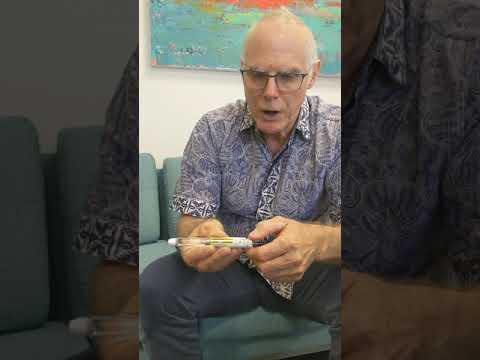
When managing diabetes, finding the right insulin can feel overwhelming. One option that many people turn to is Basaglar Kwikpen U-100. This is a long-acting insulin designed to help control blood sugar levels throughout the day and night. Understanding how it works, its uses, and potential side effects can empower you to make informed health decisions.
In simple terms, think of Basaglar as a steady stream of support for your body’s insulin needs. Just like a faucet that provides a consistent flow of water, Basaglar is engineered to release insulin gradually to help keep your blood sugar stable. It’s often used alongside meals to manage blood sugar spikes after eating.
However, just like anything in life, it’s important to be aware of what you’re getting into. Some individuals might experience side effects such as low blood sugar (hypoglycemia), weight gain, or even allergic reactions. While these can sound alarming, remember that not everyone will experience them.
It’s crucial for anyone considering Basaglar or any medication to do their own research. Talk with various healthcare professionals and consult trusted resources. Gathering a range of perspectives can only enhance your understanding and ensure you make the best decision for your health journey.
The information provided in this article is intended solely for general informational and educational purposes. It does not constitute medical advice, diagnosis or professional treatment, and should not be considered a substitute for consultation with a qualified doctor or other licensed healthcare professional. Any health-related decisions should be made in consultation with accredited medical professionals.
While efforts have been made to ensure the information is accurate and up to date, no guarantees are given—either express or implied—regarding its accuracy, completeness, currency or suitability. Use of this information is at your own discretion.
It is strongly recommended to consult official sources such as the NHS (National Health Service) or other recognised medical institutions before acting on any information contained on this website or article. Under no circumstances should professional medical advice be ignored or delayed due to content read here.
This content is of a general and informational nature only. It is not intended to replace individualised guidance from a healthcare professional or to establish any doctor-patient relationship. The publication of this information does not imply any professional responsibility, guarantee or obligation on the part of the author or this site.
Uncovering the Hidden Risks of BASAGLAR: What You Need to Know
Basaglar, also known as insulin glargine, is a long-acting insulin used to manage blood sugar levels in people with diabetes. It helps your body use glucose more effectively. However, like many medications, it can come with some hidden risks.
One of the main risks is hypoglycemia, or dangerously low blood sugar levels. This can happen if you take too much insulin or don’t eat enough. Symptoms may include shakiness, confusion, and sweating. It’s crucial to monitor your blood sugar regularly.
Another important consideration is weight gain. Insulin therapy often leads to increased appetite. If not managed carefully, this can contribute to unwanted weight gain over time.
Some people may experience allergic reactions at the injection site. Symptoms might include redness, swelling, or itching. In rare cases, severe allergic reactions can occur. Always report any unusual reactions to a healthcare provider.
Interactions with other medications can also pose risks. For instance, some oral diabetes medications may increase the risk of hypoglycemia when taken together with Basaglar.
It’s essential to communicate openly with your healthcare team about all medications and supplements you’re using.
Additionally, some patients might experience cardiovascular issues over time while on insulin therapies like Basaglar. Keeping up with regular check-ups can help catch any potential problems early.
In summary, while Basaglar is effective for managing diabetes, being aware of its risks is vital for safe use. Consider ways to balance your medication regimen with lifestyle choices like diet and exercise for better overall health management.
Always consult a healthcare provider for personalized advice tailored to your needs and circumstances. Being informed truly empowers you in managing your health effectively!
Unveiling the Hidden Risks of Insulin Therapy
Insulin therapy is a common treatment for diabetes. It helps control blood sugar levels. While it can be very effective, there are some hidden risks that people should know about.
First, it’s important to understand how insulin works. Think of insulin as a key. It unlocks cells so they can take in glucose from the blood. This process lowers sugar levels but isn’t without potential side effects.
One risk of insulin therapy is hypoglycemia, or low blood sugar. This can happen if you take too much insulin or don’t eat enough afterward. Symptoms can include shakiness, confusion, and even loss of consciousness in severe cases.
Another concern is weight gain. Insulin helps glucose enter cells, which means your body may store more energy as fat. Many people notice they gain weight after starting insulin therapy.
Some also experience injection site reactions. These may include pain, redness, or swelling at the injection site. Over time, repeated injections in the same area can cause lumps under the skin.
There’s also the issue of long-term complications like insulin resistance. This happens when your body doesn’t respond to insulin as well over time. It might require higher doses to achieve the same effect.
Furthermore, it’s essential to monitor your blood sugar regularly while on insulin therapy. This ensures you stay within a safe range and adjust accordingly based on what your body needs.
Lastly, be cautious about combining insulin with other medications or alcohol—it can amplify risks related to hypoglycemia or other side effects.
In summary, while insulin therapy is helpful for many individuals with diabetes, it does come with certain risks that deserve attention:
Always discuss concerns and questions about your treatment with a healthcare provider who knows your history well. Being informed will help you make better decisions for your health journey!
Essential Safety Tips for Using BASAGLAR Effectively
Using BASAGLAR (insulin glargine) effectively is crucial for managing blood sugar levels. Here are some essential safety tips to keep in mind.
First, always check the expiration date. Expired insulin may not work as intended.
Store it correctly. BASAGLAR should be kept in the refrigerator until you start using it. After that, you can store it at room temperature for up to 28 days. Avoid exposing it to extreme heat or freezing.
Before each use, gently roll the pen in your hands. This helps mix the insulin without shaking it too vigorously, which can damage its effectiveness.
When injecting, make sure to rotate injection sites. Using the same spot repeatedly can cause irritation or lumps under the skin. Areas like the abdomen or thigh are common options.
Always clean the injection site with an alcohol swab before administering your dose. This minimizes the risk of infection.
Be mindful of dosage. Follow your healthcare provider’s instructions closely regarding how much to take and when. Adjustments may be needed based on your daily routine or changes in physical activity.
Keep track of your blood sugar levels regularly. This will help you understand how BASAGLAR is affecting you and if any adjustments are needed.
Never share your pen with others, even if they have similar conditions. Insulin pens are designed for individual use only due to contamination risks.
If you’re unsure about any part of using BASAGLAR, reach out to a healthcare professional for guidance.
Lastly, educate yourself about possible side effects like low blood sugar (hypoglycemia). Symptoms include shakiness, confusion, and sweating. Knowing these signs allows you to act quickly if they arise.
In sum, being informed and careful can greatly enhance your experience with BASAGLAR while promoting better diabetes management.
Basaglar KwikPen U-100 is a prefilled insulin pen used to manage blood glucose levels in individuals with diabetes. This long-acting insulin allows for a more convenient and flexible approach to diabetes management, catering to both Type 1 and Type 2 diabetes patients.
Understanding its uses is crucial. Basaglar helps maintain a baseline level of insulin throughout the day, which can reduce blood sugar spikes after meals. It mimics the natural release of insulin in the body, helping maintain metabolic balance.
However, like any medication, it comes with potential side effects. The most common ones include low blood sugar (hypoglycemia), weight gain, injection site reactions, and occasionally allergic reactions. Recognizing these side effects empowers patients to manage their health proactively.
It’s important for users to monitor their blood glucose levels routinely and communicate with healthcare providers about any concerns they may have regarding dosage adjustments or adverse effects. This ongoing dialogue can significantly enhance treatment effectiveness and patient satisfaction.
In summary, understanding both the uses and potential side effects of Basaglar KwikPen U-100 is vital for safe diabetes management. Educating oneself encourages informed decisions that contribute positively to one’s overall health journey.