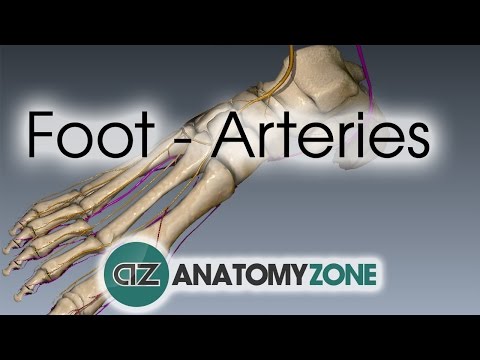
Cilostazol is a medication that can feel a bit like a treasure map for those with certain circulatory issues. Imagine trying to navigate through a bustling city with heavy traffic; cilostazol helps improve blood flow, making it easier for people to walk without discomfort caused by poor circulation. This medication is primarily used to treat intermittent claudication, a condition where decreased blood flow leads to cramping in the legs during activity.
But like any tool in our health toolbox, it’s essential to understand how cilostazol works and what it might mean for you. The benefits come hand-in-hand with potential side effects and interactions that could impact your health journey. Whether you’re curious about its effects or how it interacts with other medications, knowing the full picture can empower your choices.
Warning: It’s crucial to stay informed about cilostazol or any medication. Every person’s health is unique, and what works for one might not be right for another. Always consult doctors or pharmacists and seek information from various reputable sources before starting any new treatment. Responsible choices begin with understanding the options available to you!
The information provided in this article is intended solely for general informational and educational purposes. It does not constitute medical advice, diagnosis or professional treatment, and should not be considered a substitute for consultation with a qualified doctor or other licensed healthcare professional. Any health-related decisions should be made in consultation with accredited medical professionals.
While efforts have been made to ensure the information is accurate and up to date, no guarantees are given—either express or implied—regarding its accuracy, completeness, currency or suitability. Use of this information is at your own discretion.
It is strongly recommended to consult official sources such as the NHS (National Health Service) or other recognised medical institutions before acting on any information contained on this website or article. Under no circumstances should professional medical advice be ignored or delayed due to content read here.
This content is of a general and informational nature only. It is not intended to replace individualised guidance from a healthcare professional or to establish any doctor-patient relationship. The publication of this information does not imply any professional responsibility, guarantee or obligation on the part of the author or this site.
Unraveling the Connections: How Cilostazol Affects Your Body and Medications
Cilostazol is a medication primarily used to improve symptoms of intermittent claudication. This condition causes leg pain during physical activities, like walking, due to narrowed blood vessels. Cilostazol works by widening these blood vessels and improving blood flow.
Understanding how cilostazol affects your body is important. It can enhance your ability to walk longer distances without pain. Think of it as opening up a clogged pipe so water can flow more freely.
However, cilostazol isn’t without side effects. Some people may experience headaches, dizziness, or gastrointestinal issues like diarrhea. It’s crucial to be aware of these potential reactions.
Another key point is that cilostazol interacts with other medications. For example, certain antibiotics or antifungal drugs can affect how cilostazol works in your system. Always inform your healthcare provider about all the medications you are taking.
Here are some important connections between cilostazol and other medications:
Taking cilostazol requires careful management and monitoring. This ensures you’re getting the intended benefits while minimizing any adverse effects or interactions with other medicines.
In summary, cilostazol has a clear purpose: to help individuals walk without pain due to claudication. However, understanding its side effects and interactions helps in making informed decisions about its use.
Always have open conversations with health professionals about what you’re taking. This empowers you to use medications like cilostazol effectively while prioritizing your overall health and safety.
Exploring the Unexpected Reactions of Cilostazol
Cilostazol is a medication mainly used to treat claudication, a condition that causes pain in the legs due to poor blood flow. Think of it as a helper that improves blood circulation, allowing individuals to walk longer distances without discomfort.
While cilostazol can be effective, it can also lead to some unexpected reactions. It’s essential to be aware of these so you can make informed decisions about your health.
Common Side Effects: Many people experience headaches or stomach upset when taking this medication. These are usually mild and go away on their own.
However, cilostazol can also cause more significant reactions. Some users have reported an increase in heart rate or a feeling of palpitations. This might feel like your heart is racing unexpectedly.
Serious Reactions: A smaller group of people might experience severe side effects such as chest pain or shortness of breath. These should not be ignored and require immediate medical attention.
Another unexpected effect is bleeding complications, as cilostazol can thin the blood slightly. This increases the risk of bruising or bleeding more easily than usual.
Remember too that cilostazol may interact with other medications. If you’re taking drugs for heart conditions or certain antibiotics, always talk with your healthcare provider about potential interactions.
Mental Health Effects: Some users have noted changes in mood or anxiety levels while on cilostazol. It’s crucial to monitor these feelings and discuss them if they arise.
People should also be aware that lifestyle factors like diet and exercise play a role in how effective cilostazol will be for you. A healthy lifestyle can enhance its benefits and may help reduce side effects.
It’s important not to jump to conclusions about any reaction you may experience while on cilostazol. Keeping an open dialogue with your healthcare provider ensures any concerns are addressed promptly.
In conclusion, understanding the possible reactions to cilostazol empowers you as a patient. Equipped with this knowledge, you can participate actively in decisions regarding your treatment plan, keeping both risks and benefits in mind.
Unraveling the Science Behind Cilostazol’s Heart-Healthy Benefits
Cilostazol is a medication often prescribed for specific heart-related issues. It’s primarily used to help improve blood flow and reduce symptoms of claudication, which is pain in the legs due to poor circulation.
One way cilostazol works is by relaxing and widening blood vessels. This can help increase blood flow, similar to how opening windows can allow fresh air to fill a stuffy room. Better blood circulation means that muscles and tissues in the body receive the oxygen they need, making it easier to move around without pain.
In addition to improving blood flow, cilostazol also has some pretty interesting effects on platelets, which are small cell fragments involved in clotting. It helps prevent these platelets from sticking together too much. Just like how making cupcakes requires careful mixing of ingredients instead of throwing them all together too quickly, cilostazol ensures that your blood remains healthy and fluid without forming unwanted clots.
However, while it has benefits, there are side effects you should be aware of. Common side effects include headaches and diarrhea. It’s like when you try a new dish; sometimes it doesn’t sit well with your stomach.
Alongside its heart-healthy benefits, cilostazol may not be suitable for everyone. Individuals with certain conditions may need to avoid it. That’s why discussing any new medication with a healthcare provider is crucial—just like checking if an ingredient might cause an allergic reaction before cooking.
Lastly, interacting with other medications is also something to consider. Cilostazol can influence or be influenced by other drugs you might be taking. This interaction can change how well each medication works or increase side effects.
In summary:
Understanding cilostazol helps you make informed decisions about your health but always consult a healthcare professional for personalized advice tailored just for you.
Cilostazol is a medication primarily used to improve walking distance in people with intermittent claudication, a condition caused by reduced blood flow to the legs. Understanding its uses, side effects, and interactions is essential for safe and effective management.
Uses: Cilostazol works by widening blood vessels and improving blood flow. This action helps alleviate pain and discomfort during physical activities like walking.
Side Effects: Common side effects include headache, dizziness, diarrhea, and palpitations. Most side effects are manageable but can affect daily life. It’s important for individuals to be aware of these potential reactions.
Interactions: Cilostazol can interact with other medications such as certain antifungals or antibiotics, which may increase the risk of side effects. Patients should always inform their healthcare provider about all medications they are taking.
Understanding cilostazol is vital for those who may benefit from it while also being mindful of its effects and interactions. This knowledge fosters informed decision-making regarding treatment options and encourages open communication with healthcare providers about any concerns or experiences related to the medication.