The information provided in this article is intended solely for general informational and educational purposes. It does not constitute medical advice, diagnosis or professional treatment, and should not be considered a substitute for consultation with a qualified doctor or other licensed healthcare professional. Any health-related decisions should be made in consultation with accredited medical professionals.
While efforts have been made to ensure the information is accurate and up to date, no guarantees are given—either express or implied—regarding its accuracy, completeness, currency or suitability. Use of this information is at your own discretion.
It is strongly recommended to consult official sources such as the NHS (National Health Service) or other recognised medical institutions before acting on any information contained on this website or article. Under no circumstances should professional medical advice be ignored or delayed due to content read here.
This content is of a general and informational nature only. It is not intended to replace individualised guidance from a healthcare professional or to establish any doctor-patient relationship. The publication of this information does not imply any professional responsibility, guarantee or obligation on the part of the author or this site.
Have you ever thought about a tiny, crunchy ingredient that could pack a serious punch for your health? Bean sprouts might be the secret weapon you didn’t know you needed. These little guys are more than just a salad or stir-fry filler. They’re like nature’s multivitamin, brimming with nutrients that can boost your well-being. It’s pretty impressive when you think about it.
In this article, we’ll dive into the world of bean sprouts. We’ll explore their nutritional benefits, how they can support better health, and even some tasty ways to incorporate them into your meals. Whether you’re a seasoned chef or someone who’s just starting out in the kitchen, there’s something here for everyone.
You know, it’s always good to pay attention to what we eat and how it affects our bodies. Just remember: while this information is informative and helpful, it doesn’t replace professional medical advice. Always consult with a healthcare professional before making any big changes to your diet or health routine.
Unlocking the Power of Bean Sprouts: What You Need to Know for Your Health
Unlocking the Power of Bean Sprouts
Bean sprouts are tiny, crunchy wonders packed with nutrients. It’s like nature’s own multivitamin! They are young plants that have just begun to grow from seeds, usually from beans like mung beans and soybeans. And guess what? They’re not just good for salads; they offer a range of health benefits too.
Nutritional Benefits
First off, they’re low in calories but high in vitamins and minerals. You’ll find vitamin C, vitamin K, folate, and even some proteins. It’s like a mini energy boost that doesn’t weigh you down.
The fiber content is impressive as well. Eating fiber helps keep your digestion on track and can be great for heart health. Plus, it gives you that full feeling without packing on the calories.
Antioxidants at Work
You know those things called antioxidants? Bean sprouts are full of them! They help fight off free radicals—those pesky molecules that can damage cells. By consuming foods rich in antioxidants, you might be supporting your body’s natural defenses.
Easy to Add to Your Diet
If you’re wondering how to incorporate bean sprouts into your meals, don’t sweat it! Toss them in stir-fries for a bit of crunch, add them to sandwiches for extra freshness, or mix them into salads for added texture.
A Note on Safety
Sometimes people worry about food safety with raw sprouts because they can harbor bacteria if not handled properly. It’s important to wash them well and buy from reputable sources. If you’re really concerned about safety, consider cooking them first! That way you get all the nutrients without the risks.
The Versatility Factor
One of the coolest things about bean sprouts is their versatility. You can find different types depending on where you are—like alfalfa or radish sprouts too! Each type brings its unique flavor and nutrient profile to your plate.
Busting Myths
- Myth: Eating raw bean sprouts is unsafe.
Reality: While there’s some risk due to bacteria if not washed properly, many people enjoy them raw safely every day! - Myth: All sprouts contain no significant nutritional value.
Reality: Many studies show that they can provide essential vitamins and minerals—so definitely worth considering!
A Little Caution Goes a Long Way
If you’re new to eating bean sprout or have dietary restrictions like certain allergies (to legumes), it might be wise to start slow. Listen to your body; if something doesn’t feel right after trying new foods—don’t hesitate to reach out for advice.
The whole thing is about balance: incorporating nutritious foods while enjoying what you love eating. So why not give bean sprouts a shot? They just might add some tasty crunch and healthy perks to your meals!
Discover the surprising benefits of bean sprouts for your weight loss journey
Understanding Bean Sprouts
Bean sprouts are young shoots from beans like mung beans or soybeans. They’re crunchy, light, and add some serious nutrition to meals. When you think about them, imagine a tiny powerhouse packed with vitamins and minerals.
One quick serving can be low in calories but high in nutrients. That’s part of what makes them appealing for those looking to manage their weight.
Nutritional Profile
These little guys are rich in vitamins A, C, and K. They also contain folate and are a good source of antioxidants. Antioxidants help fight free radicals—those pesky molecules that can damage your cells.
Additionally, bean sprouts have dietary fiber. Fiber is crucial because it helps you feel full longer. So when you eat them, you’re less likely to reach for snacks later.
Low Calorie Density
The cool thing about bean sprouts is their low calorie density. This means you can eat a good amount without packing on the calories. Think of it like filling your plate with fluffy popcorn instead of heavy nachos.
This characteristic encourages people to load up on vegetables without guilt or worry about extra calories.
The Role of Fiber
As I mentioned before, fiber not only helps with feeling full but also aids digestion. Eating foods high in fiber can prevent constipation and promote regular bowel movements; kind of like using a broom to keep things clean!
A high-fiber diet is often linked with weight management since it helps regulate blood sugar levels too.
Versatile Ingredient
You might be surprised at how versatile bean sprouts are! You can toss them into salads for an extra crunch, add them to stir-fries or even use them as a garnish for soups.
This versatility means you can sneak more nutrients into your meals easily; it’s like adding a secret ingredient that nobody knows about!
Minding Portion Sizes
While bean sprouts offer many benefits, portion control still matters in any diet plan. Eating large amounts might lead to discomfort—think too much salad dressing on your greens!
A balanced approach combined with other healthy foods will keep things interesting while supporting your weight management goals.
Packing Them In Your Meals
- Add bean sprouts into wraps for added crunch.
- Toss some in smoothies for extra nutrients without changing the flavor much.
- Mix with rice or quinoa for a colorful side dish that’s light yet satisfying.
Mental Benefits Too!
This may sound odd, but experimenting with food can actually make meal prep more fun! Trying new ingredients like bean sprouts helps keep things exciting when cooking at home — it’s less likely you’ll get bored eating the same old stuff.
A Simple Takeaway
If you’re looking ways to enhance your meals nutritionally while keeping an eye on caloric intake, consider adding some bean sprouts! With their range of vitamins and benefits they pack quite the punch for simple health enhancements over time—just try not to go overboard all at once!
Unlocking the Power of Bean Sprouts for Better Health and Vitality
Bean sprouts are often overlooked in our diets, but they are surprisingly nutritious. They may be tiny, but these little sprouts pack a punch! Think of them like mini powerhouses bursting with potential.
First off, what’s a bean sprout? It’s simply the young shoot that grows from beans when they’re soaked and allowed to germinate. Common types include mung bean sprouts and soybeans. You know, it’s like watching a plant grow in fast forward.
Nutritional Benefits
One of the coolest things about bean sprouts is their nutrient density. They’re rich in vitamins like C and K. Vitamin C helps with immune function, while vitamin K plays a role in blood clotting and bone health.
Also, they contain folate, which is important for cell division. This is especially vital during pregnancy because it helps prevent neural tube defects in babies.
Low Calorie, High Fiber
If you’re thinking about weight management or simply want more fiber in your diet, guess what? Bean sprouts are low in calories but high in fiber. Fiber is excellent for digestion; it keeps things moving along nicely.
You might recall feeling fuller after eating high-fiber foods like whole grains or vegetables—bean sprouts can do that too! Plus they add a nice crunchy texture to salads or sandwiches.
Amino Acids Galore
Amino acids are the building blocks of proteins. Since bean sprouts are made from legumes (like beans), they contain all essential amino acids needed for overall health. You’re essentially getting plant-based protein without having to eat hefty portions!
Your Gut Will Thank You
Here’s an interesting point: fresh bean sprouts may also support gut health due to their prebiotic properties. Prebiotics help nourish good bacteria residing in your intestines. It’s like feeding pets—they’ll thrive if you give them the right food!
Culinary Versatility
You might wonder how to incorporate them into your meals? Well, they’re super versatile! Add them raw to salads for crunchiness or stir-fry them with veggies and protein sources for quick meals.
If you love Asian cuisine, using them as toppings on Pho or adding to spring rolls can be delicious options too! Honestly, their light flavor means they won’t overpower dishes; rather they’ll complement everything else going on.
A Few Words on Safety
Look, while bean sprouts offer many benefits, food safety is key too! Always wash them thoroughly before eating since they’ve been associated with foodborne illnesses sometimes due to contamination during sprouting.
Cooking can help reduce this risk; just lightly sautéing or boiling can do wonders without sacrificing all those nutrients we talked about earlier!
The Bottom Line
Incorporating bean sprouts into your meals might just elevate your nutritional game! They provide loads of vitamins & minerals along with fantastic crunchiness—a win-win situation if you ask me!
- An easy addition to various dishes
- A good source of vitamins & protein
- Packed full of nutrients beneficial for gut health!
You see? Once you start thinking about it that way—you’ll unlock their full potential easily! Enjoy experimenting with these little guys; who knows what delicious creations you’ll come up with?
Bean Sprouts: A Nutritional Powerhouse for Better Health
Bean sprouts are small yet mighty additions to our diet. They may seem simple, but they pack a nutritional punch that’s hard to ignore. Let’s break down why these tiny plants deserve a spot on your plate.
The Basics
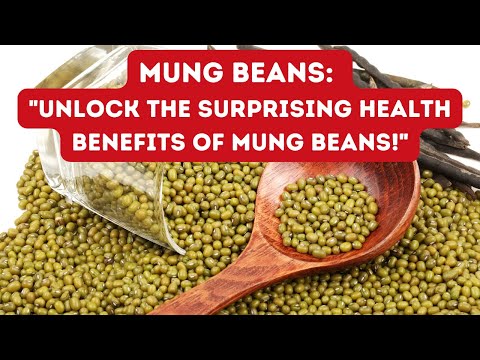
Bean sprouts, commonly from mung beans or soybeans, are young shoots that emerge after soaking and germinating beans. This process brings out beneficial nutrients, making them more available to our bodies.
Rich in Nutrients
One of the coolest things about bean sprouts is their high vitamin content. They’re loaded with vitamins C and K. Vitamin C boosts your immune system and helps with skin health, while vitamin K is essential for bone health and blood clotting.
A Great Source of Fiber
Fiber is another star player found in bean sprouts. It aids digestion and can help keep you feeling full longer. Having them in your meals could be a way to manage weight or improve gut health too.
A Low-Calorie Option
If you’re looking for low-calorie snacks or meal additions, look no further! Bean sprouts are low in calories yet high in volume, which makes them perfect for filling up without packing on the calories.
You know what’s great? Bean sprouts can easily fit into various dishes. Whether tossed into salads, stir-fries, or spring rolls, their crunchy texture adds a nice touch to many meals. You can’t go wrong with that!
A Word of Caution
That said, always rinse them well before eating raw. Sometimes they can harbor bacteria if not handled properly during growth. Cooking can also minimize this risk.
Incorporating bean sprouts into your diet is straightforward and beneficial for overall health. Simple changes like this can lead to healthier eating habits over time! So next time you’re at the store or farmer’s market, consider grabbing some bean sprouts to enhance both flavor and nutrition in your meals.