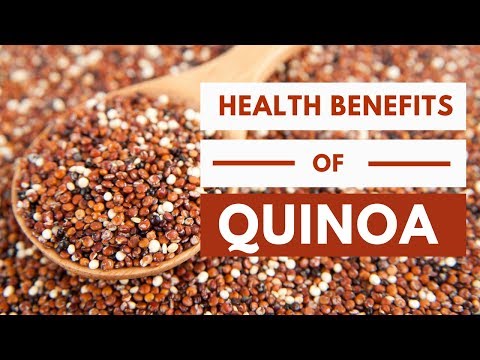
Quinoa, often hailed as a “superfood,” is much more than just a trendy grain. This ancient seed has been a nutritional staple for thousands of years, particularly in South America. It’s packed with essential nutrients that make it not only a delicious addition to your meals but also a powerhouse of health benefits.
Imagine quinoa as nature’s little treasure chest, filled with protein, fiber, vitamins, and minerals. It contains all nine essential amino acids that our bodies can’t produce on their own. This makes it an excellent choice for vegetarians and vegans looking to boost their protein intake. Plus, it’s gluten-free, making it accessible for those with gluten sensitivities.
By integrating quinoa into your diet, you can support heart health, manage weight more effectively, and even stabilize blood sugar levels. Consider swapping rice or pasta with quinoa; it’s not just a meal change but an upgrade!
However, while quinoa offers exciting health benefits, it’s important to approach any food enthusiastically but responsibly. Some individuals may experience digestive issues when consuming quinoa due to its natural coating called saponins. Always rinse quinoa before cooking to reduce this effect.
Moreover, nutritional needs vary from person to person; what works wonders for one may not suit another. Consult different specialists and seek information from reliable sources so you can make educated decisions about incorporating quinoa into your diet safely and effectively. Stay curious and informed!
The information provided in this article is intended solely for general informational and educational purposes. It does not constitute medical advice, diagnosis or professional treatment, and should not be considered a substitute for consultation with a qualified doctor or other licensed healthcare professional. Any health-related decisions should be made in consultation with accredited medical professionals.
While efforts have been made to ensure the information is accurate and up to date, no guarantees are given—either express or implied—regarding its accuracy, completeness, currency or suitability. Use of this information is at your own discretion.
It is strongly recommended to consult official sources such as the NHS (National Health Service) or other recognised medical institutions before acting on any information contained on this website or article. Under no circumstances should professional medical advice be ignored or delayed due to content read here.
This content is of a general and informational nature only. It is not intended to replace individualised guidance from a healthcare professional or to establish any doctor-patient relationship. The publication of this information does not imply any professional responsibility, guarantee or obligation on the part of the author or this site.
Discover the Surprising Benefits of Quinoa for Your Health
Quinoa is often called a nutritional powerhouse, and for good reason. It’s a grain-like seed that has been cultivated for thousands of years. What makes it special? Let’s dive into its benefits.
First off, quinoa is a complete protein. That means it contains all nine essential amino acids our body needs. Most plant sources don’t have this, which makes quinoa unique. If you’re looking to add protein to your diet without meat, quinoa is an excellent option.
Another great benefit is its high fiber content. Fiber is important for digestion and can help keep you feeling full longer. Think of fiber as a broom that sweeps through your intestines, keeping everything clean and working smoothly.
Quinoa also has a low glycemic index. This means it won’t spike your blood sugar levels like some other carbs might do. For many people, especially those monitoring their sugar levels, this can be an important factor.
On top of that, quinoa is rich in vitamins and minerals like magnesium, iron, and Vitamin B6. These nutrients support various functions in your body, such as energy production and muscle health. It’s like giving your body the tools it needs to function optimally.
Another surprising aspect? Quinoa is gluten-free! Many people with celiac disease or gluten sensitivity struggle with grains. Quinoa provides them with a nutritious alternative without the risk of adverse reactions.
You might be wondering how to include quinoa in your meals. Here are some ideas:
One thing to remember when cooking quinoa: rinse it before cooking! This helps remove any bitter taste from the outer layer known as saponin.
While quinoa offers many health perks, it’s not a magic bullet for wellness. Balance is key in any diet! Pairing quinoa with various fruits, vegetables, and healthy fats will give you a well-rounded meal plan.
In summary, quinoa stands out due to its protein content, fiber benefits, low glycemic index, nutrient density, and gluten-free status. It’s versatile too! Give this ancient grain a try and discover how it fits into your lifestyle while enjoying all those wonderful benefits!
Unpacking the Hype: What Makes Quinoa Stand Out on Our Plates
Quinoa has gained a lot of attention recently, and for good reason. Often labeled a superfood, it packs quite the nutritional punch. Let’s take a closer look at what makes this grain stand out on our plates.
First off, quinoa is not actually a grain; it’s a seed. This little fact alone separates it from many other common foods we consider grains, like rice or wheat.
So why should you consider adding quinoa to your meals? Here are some key points:
Quinoa also has a low glycemic index. This means it won’t spike your blood sugar as quickly as some other carbohydrates might. It can be a good option for those watching their blood sugar levels.
When cooking quinoa, it’s essential to rinse the seeds first. This removes saponins—natural compounds that can give an unpleasant bitterness.
Another interesting aspect is its versatility. You can use quinoa in salads, soups, or even as breakfast porridge. It really takes on the flavor of whatever you pair it with!
However, it’s worth noting that while quinoa offers great benefits, balance is key in any diet. Relying too heavily on one food isn’t ideal.
In summary, quinoa is more than just trendy food; it’s packed with nutrients that can enhance your overall diet. Including a variety of foods alongside quinoa will lead to balanced nutrition.
As always, consider what works best for your own body and lifestyle when making dietary choices!
Unlocking the Secrets Behind Quinoa’s Feel-Good Factor
Quinoa has gained a lot of attention for being a “superfood.” But what is it that makes quinoa so special? Let’s explore its feel-good factor.
First, quinoa is packed with nutrients. It contains protein, fiber, vitamins, and minerals. This combination plays a big role in how your body feels.
Quinoa is also gluten-free, making it an excellent choice for people with gluten sensitivities or celiac disease. This inclusivity can help people feel better about their food choices.
Many people report feeling energized after eating quinoa. This could be due to its low glycemic index. Foods with a low glycemic index release sugars more slowly into the bloodstream, preventing energy crashes.
Another interesting point is the presence of antioxidants in quinoa. Antioxidants help fight oxidative stress in the body. Reduced stress may lead to improved mental well-being.
Moreover, eating diverse foods like quinoa can promote gut health. A healthy gut contributes to emotional well-being, as some studies suggest.
Quinoa also serves as a great base for various dishes, making it easy to include in your diet. Mixing it with vegetables or lean proteins adds even more nutrients.
In conclusion, the feel-good factor of quinoa is linked to its nutritional content and versatility in meals. It’s not just about one thing; it’s about how these elements come together to support overall health and mood.
Remember, while quinoa offers benefits, it’s important to maintain a balanced diet with a variety of foods for optimal health. Eating mindfully can make all the difference!
Quinoa has gained significant attention as a nutritional powerhouse, and for good reason. This ancient grain, often categorized with foods like rice or barley, is packed with essential nutrients that support our overall health.
Nutritional Profile: Quinoa is unique because it is a complete protein. Unlike many plant-based sources of protein, it contains all nine essential amino acids our bodies need. This makes it an excellent choice for vegetarians and vegans.
Rich in Nutrients: Beyond protein, quinoa delivers fiber, magnesium, iron, and antioxidants. Fiber aids digestion and promotes satiety, which can assist with weight management. Magnesium plays a crucial role in many bodily functions including muscle function and energy production.
Low Glycemic Index: Quinoa has a low glycemic index compared to many grains. This means it can help maintain stable blood sugar levels, making it a favorable option for those managing diabetes.
Heart Health: The presence of heart-healthy fats and antioxidants helps reduce inflammation. Regular consumption may lower the risk of cardiovascular diseases.
Incorporating quinoa into your diet is easy; try it in salads, soups, or as a side dish. Just remember to rinse it before cooking to remove its natural coating called saponin, which can taste bitter.
Ultimately, quinoa is more than just a trendy grain; it’s an accessible food that offers numerous health benefits when included as part of a balanced diet. Exploring this nutritional powerhouse not only enhances meals but also supports overall well-being in simple yet impactful ways.