The information provided in this article is intended solely for general informational and educational purposes. It does not constitute medical advice, diagnosis or professional treatment, and should not be considered a substitute for consultation with a qualified doctor or other licensed healthcare professional. Any health-related decisions should be made in consultation with accredited medical professionals.
While efforts have been made to ensure the information is accurate and up to date, no guarantees are given—either express or implied—regarding its accuracy, completeness, currency or suitability. Use of this information is at your own discretion.
It is strongly recommended to consult official sources such as the NHS (National Health Service) or other recognised medical institutions before acting on any information contained on this website or article. Under no circumstances should professional medical advice be ignored or delayed due to content read here.
This content is of a general and informational nature only. It is not intended to replace individualised guidance from a healthcare professional or to establish any doctor-patient relationship. The publication of this information does not imply any professional responsibility, guarantee or obligation on the part of the author or this site.
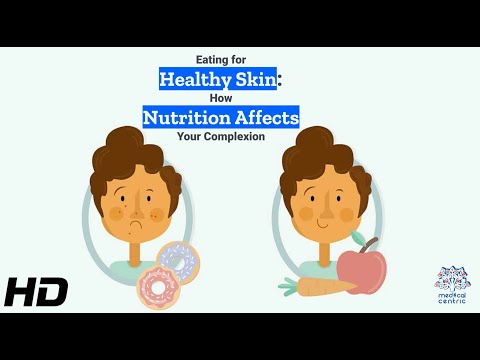
Have you ever looked in the mirror and wondered why your skin looks tired or dull? It’s not just about the products you use. Surprising, isn’t it? What you actually eat plays a huge role in how your skin appears.
Many people overlook nutrition when it comes to skin health. Yet, what we consume affects our complexion more than we might think. Think about it: “you are what you eat” isn’t just a saying; it’s a reality here!
This article will explore how certain nutrients can enhance your skin’s health and appearance. We’ll look at vitamins, minerals, and even hydration—yes, water matters too! By understanding this connection, you’ll be better equipped to make choices that benefit your complexion.
It’s important to remember that while this information can guide you toward healthier habits, it can’t replace medical advice. Always consult with a healthcare professional before making any significant changes to your diet or skincare routine.
Your journey to healthier skin starts with awareness of what you put on your plate. Let’s dive into the world of nutrition and discover how it impacts your beautiful face!
Nourish Your Skin from Within for a Radiant Glow
Hey there! Let’s chat about how what you eat can really change the way your skin looks. It’s a pretty big deal. You know, when we think of our skin, we often focus on lotions and potions, but nutrition plays a massive role too.
The Basics of Skin Nutrition
Our skin is like a sponge. It absorbs not just creams but also the nutrients from our food. So, feeding your body with good stuff can show up on the outside.
Vitamins and minerals are super important. For example, Vitamin C helps with collagen production—a protein that keeps your skin firm. Think of collagen like scaffolding in a building; it supports everything.
Key Nutrients for Glowy Skin
- Antioxidants: These help fight off damage from things like pollution and UV rays. Fruits like berries and veggies such as spinach are packed with them.
- Healthy Fats: Omega-3 fatty acids found in fish, nuts, and seeds keep your skin hydrated. Imagine putting oil on squeaky hinges—it makes everything smoother!
- Zinc: Important for healing and reducing inflammation; you can find it in meat, shellfish, and beans.
The Role of Hydration
You might be surprised to hear that hydration affects your complexion too. Drinking enough water helps maintain elasticity, which means fewer wrinkles! Think about how plants perk up after watering—they need it to thrive.
Your skin might have specific needs based on its type—like dry or oily. If you have dry skin, maybe increase healthy fats in your diet. Oily skin? Sometimes cutting back on sugary foods can help balance oil production.
You’ve probably seen plenty of ads claiming miracle foods for glowing skin—don’t fall for every trend! Balance is key here. Using whole foods instead of processed ones is generally a smart move because they’re packed with nutrients that benefit your health overall.
Your mental health impacts your physical health—including your skin! Stress can really mess with our complexion by making us break out or look tired.
Consider incorporating relaxation techniques into your daily routine—like deep breathing or even yoga—to support both mind and body.
A Holistic Approach
Sooo remember: it’s not just about creams or fancy facials; nourishing from within matters too! Make informed choices about what goes on your plate rather than going for quick fixes alone. Treat yourself kindly by choosing foods that support radiant health—and enjoy that glow!
Transform Your Complexion with Simple, Delicious Foods
Hey there! Let’s talk about how the food you eat can really impact your skin health. You know, that glowing complexion we all want?
The Connection Between Nutrition and Skin
Nutrition plays a big role in skin health. Think of your body as a car. Just like a car needs good fuel to run smoothly, your skin needs the right nutrients to look its best.
There are certain vitamins and minerals that are super important for maintaining healthy skin. For example, vitamin C is great for collagen production. Collagen is like the scaffolding of your skin; it helps keep everything firm and plump.
Foods That Can Boost Your Skin Health
- Fruits: Berries, oranges, and kiwi are packed with antioxidants which help protect your skin from damage.
- Vegetables: Leafy greens like spinach or kale provide vital nutrients. Think of them as the green machines for your complexion!
- Nuts and Seeds: They are rich in healthy fats which help keep the skin moisturized. Walnuts and flaxseeds are fantastic choices.
- Fish: Fatty fish like salmon has omega-3 fatty acids that support skin barrier function.
The Role of Hydration
You can’t forget about water! Staying hydrated is crucial for keeping your skin looking fresh and vibrant.
If you’re not drinking enough fluids, it can reflect on your complexion—dryness can creep in pretty quickly!
A Balanced Diet Matters
A balanced diet means including a variety of foods to make sure you’re getting a wide range of nutrients. This balance can positively affect not just your complexion but also overall health.
Busting Myths About Food and Skin
You might hear that certain foods will magically clear up all your skin problems. Look, while diet is important, it’s just one part of the bigger picture. Factors like genetics, lifestyle choices, and stress also play significant roles in how our skin looks.
Certain Foods to Approach With Caution
- Sugary Snacks: High sugar intake may lead to inflammation which isn’t great for the skin.
- Dairy Products: Some folks find that dairy affects their complexion negatively; however it varies from person to person!
Your Unique Journey
Your body responds differently than anyone else’s does! It’s worth paying attention to what works well for you—this isn’t a one-size-fits-all situation.
The Bottom Line
Nourishing yourself with wholesome foods gives you a fighting chance at maintaining beautiful skin while also supporting overall wellness. It’s all about making those yummy choices count!
Unlock Your Glow with Simple Daily Habits
Boost Your Skin Health: How Nutrition Impacts Complexion
When it comes to skin health, nutrition plays a massive role. You know how they say, “you are what you eat”? Well, in this case, it couldn’t be more true! Your skin reflects your diet, so let’s talk about how you can support that glow.
Hydration is Key
First up is hydration. Drinking enough water daily helps keep your skin plump and elastic. Think of your skin like a sponge; if it’s dry, it can’t hold its shape well. Aim for about eight glasses a day—or more if it’s hot outside!
Nutrients for Radiance
Next, think vitamins and minerals. Nutrients such as vitamin C and E are like bodyguards for your skin. They help fight off damage from the sun and pollution. Fruits like oranges and strawberries can be fab sources of vitamin C while nuts provide lots of vitamin E.
The Role of Healthy Fats
Now let’s talk fats—healthy ones! Foods like avocados or salmon have omega-3 fatty acids that help keep your skin barrier intact. This means better moisture retention! Not to mention those fats may also reduce inflammation in the body.
Avoiding Sugars and Processed Foods
You might not like hearing this, but sugar and processed foods can lead to breakouts or dullness over time. When you eat lots of sugary snacks, it can trigger something called glycation which ages your skin faster than you’d want.
Antioxidants Are Your Best Friends
Antioxidants protect your cells from damage—kinda like superheroes for your body! Brightly colored fruits and veggies are usually packed with them. Think tomatoes or blueberries! They’re delicious plus they pack quite the punch for good skin health.
The Impact of Dairy
Dairy has mixed reviews when it comes to skin health. Some people find that it triggers breakouts while others don’t notice any effects at all. It’s really personal—you might wanna pay attention to how different foods make you feel!
The Bottom Line on Skin Health
The thing is, there’s no one-size-fits-all answer when it comes to nutrition and skincare. Everyone’s body reacts differently to food choices; listening to yours will help you find what works best for you.
Incorporating these simple habits into your daily life might just enhance that natural glow you’re aiming for—and remember consistency is important here too!
Nutrition plays a crucial role in achieving healthy, glowing skin. The food we eat directly impacts our skin’s appearance and overall health. For instance, antioxidants found in fruits and vegetables help combat oxidative stress, which can lead to premature aging.
Vitamins like A, C, and E are vital for skin repair and regeneration. These nutrients aid in collagen production, keeping our skin firm and elastic. Think of collagen as the scaffolding that gives your skin structure—without it, things can get a little saggy.
Healthy fats are another important piece of the puzzle. Omega-3 fatty acids found in fish or flaxseeds keep our skin hydrated and might even reduce inflammation. It’s kinda like putting oil in your car; it just runs smoother when everything is well-lubricated!
On the flip side, diets high in sugar or processed foods can contribute to issues like acne or dullness. When you consume too much sugar, it can lead to glycation—a process that damages proteins like collagen. You definitely don’t want that for your skin.
Staying hydrated is essential too! Water helps maintain moisture levels in the skin. Think of it as giving your plant a drink; without it, everything wilts.
In essence, what you put on your plate reflects on your face. Eating a balanced diet rich in whole foods is one of the best ways to boost your complexion over time.