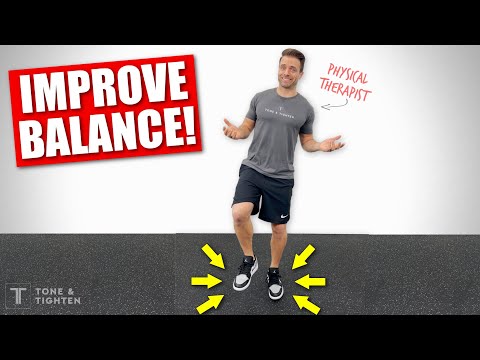
Balance is something many of us take for granted. It’s what helps us walk steadily, dance gracefully, or even stand on one foot. But did you know that balance training can do much more than just keep you upright? It can boost your overall health, enhance your athletic performance, and prevent injuries as you age. Think of balance like a tightrope walker—each little adjustment helps maintain stability.
When we engage in balance training, we’re not only strengthening our core muscles but also improving our coordination and flexibility. This leads to better posture and can even reduce the risk of falls. Imagine how much more confident you could feel moving through your day if your body was better equipped to handle physical challenges!
However, it’s crucial to approach balance training wisely. Not everyone has the same needs or abilities when it comes to exercise. Some may require modifications due to pre-existing conditions or injuries. Before starting any new workout regimen, including balance training, it’s wise to consult different specialists—like physiotherapists or personal trainers—and gather information from reputable sources. This way, you can create a balanced and safe routine that works best for you!
The information provided in this article is intended solely for general informational and educational purposes. It does not constitute medical advice, diagnosis or professional treatment, and should not be considered a substitute for consultation with a qualified doctor or other licensed healthcare professional. Any health-related decisions should be made in consultation with accredited medical professionals.
While efforts have been made to ensure the information is accurate and up to date, no guarantees are given—either express or implied—regarding its accuracy, completeness, currency or suitability. Use of this information is at your own discretion.
It is strongly recommended to consult official sources such as the NHS (National Health Service) or other recognised medical institutions before acting on any information contained on this website or article. Under no circumstances should professional medical advice be ignored or delayed due to content read here.
This content is of a general and informational nature only. It is not intended to replace individualised guidance from a healthcare professional or to establish any doctor-patient relationship. The publication of this information does not imply any professional responsibility, guarantee or obligation on the part of the author or this site.
Unlocking Greater Strength and Balance for Everyday Life
Balance and strength are key players in our daily lives. Think of them as two sides of the same coin. When we enhance our balance, we also boost our overall strength, making everyday tasks easier.
A common misconception is that balance is only for athletes or older adults. In reality, everyone can benefit from balance training. Whether you’re standing in line, walking up stairs, or playing with kids, good balance helps maintain your stability.
So, what exactly does balance training involve? Here are some key points to consider:
Engaging in these activities not only improves your coordination but also strengthens muscles you might not even think about. Picture your body as a tree: strong roots (muscles) and a balanced trunk (core) help it stand tall and weather the storms.
Improving your stability can reduce the risk of falls. This is especially important for older adults, but younger individuals can also benefit by preventing injuries during sports or other physical activities. Think of it as building a solid foundation for better athletic performance down the line.
Another great advantage of balance training is enhancing your body awareness—helping you understand how different movements feel. For instance, ever notice how you sway when standing on one leg? Practicing balance helps you control that sway more effectively.
Many people worry about being clumsy or falling while trying new exercises. Remember—it’s a gradual process! Start at your comfort level and slowly challenge yourself more over time. You wouldn’t run a marathon without training; similarly, build up to advanced balancing moves step by step.
Lastly, don’t forget to have fun with it! Find activities you enjoy. Join a class with friends or create mini-challenges at home—you might be surprised by how creative and enjoyable balancing can be!
In conclusion—strengthening your stability through regular practice empowers you in various aspects of life. It enhances physical performance while promoting confidence in everyday activities. Embrace the journey toward better balance; it’s not only beneficial but may also spark joy along the way!
Discover How Balance Training Can Transform Your Health and Well-Being
Balance training is an often overlooked aspect of fitness that can greatly enhance your overall health. It involves exercises designed to improve your ability to maintain stability while moving or standing still. Just like building a strong foundation for a house, balance training strengthens your body’s base.
As we age, our balance tends to decline. This can lead to falls, which are a common cause of injury in older adults. By incorporating balance exercises into your routine, you may help prevent these accidents. Think of it as insurance for your body.
Here are a few key benefits of balance training:
You don’t need fancy equipment to get started. Simple exercises like standing on one leg or walking heel-to-toe can be very effective. As you become more skilled, you might try adding movements that challenge both strength and coordination.
Another fun way to improve balance is through activities like yoga or tai chi. These not only enhance stability but also promote relaxation and mindfulness.
It’s important to listen to your body when practicing balance training. If something feels too difficult or causes discomfort, it’s wise to modify the exercise or consult with someone knowledgeable about exercise modifications.
Keep in mind that everyone’s starting point is different. What matters most is consistency and gradual progression over time.
In conclusion, embracing balance training is a great way to invest in your health and well-being. Think of it as nurturing a skill that benefits both the body and mind across all stages of life. Remember that making informed choices about fitness contributes not just to longevity but also improves quality of life!
Discover the Secrets to Enhanced Stability Through Balance Training
Balance training is often overlooked, yet it plays a vital role in our overall health. Think of balance like the foundation of a house. If it’s shaky, everything else can become unstable.
As we age, our natural balance tends to decline. This can lead to falls and injuries, which are significant concerns for many people. However, enhancing your stability through balance training can help counteract these risks.
So, what exactly does balance training involve? It’s all about exercises that challenge your body’s ability to maintain its center of gravity. This can include simple activities like standing on one leg or more complex maneuvers using equipment like balance boards.
Here are some benefits of incorporating balance training into your routine:
Many might believe that only athletes need this kind of training. In reality, everyone—from kids to seniors—can benefit from improved stability. It’s like tuning an instrument; when everything is aligned well, the music sounds great.
You don’t need fancy equipment either. Simple exercises at home can be very effective. Start with basic movements that challenge your balance gradually.
Always listen to your body while practicing these exercises. If something feels uncomfortable or painful, it might be best to scale back or consult a knowledgeable source for guidance.
It’s important to understand that results take time and consistency is key. Remember that every little improvement contributes to better stability over time.
Balance training isn’t just about physical improvements; it’s about helping you feel more confident in your movements and daily life activities too.
Incorporating even 10-15 minutes a day can make a difference over time. So why not give it a go? Your body—and mind—will thank you!
Balance training often takes a backseat to more traditional forms of exercise, like cardiovascular workouts and strength training. However, its benefits are substantial and deserve greater attention.
First, balance training enhances physical stability. Think of it like strengthening the foundation of a building. A solid base helps prevent falls and injuries, particularly as we age. It’s about improving coordination and control in our movements.
Additionally, balance exercises can boost athletic performance. Athletes rely on balance for optimal performance in their sport. By incorporating these exercises into training regimens, they can increase agility and reaction time.
Another dimension is injury prevention. Many common injuries stem from weak stabilizing muscles or poor coordination. Balance training engages these muscles, reducing the risk of sprains and strains during everyday activities.
Moreover, mental focus is another noteworthy benefit. Practicing balance requires concentration, which can enhance mindfulness in other areas of life too.
To get started with balance training:
In conclusion, integrating balance training into your routine can yield numerous benefits for physical health and overall well-being. It’s an accessible practice that promotes stability—literally and metaphorically—in our lives.