Have you ever noticed how your breath can change with your mood? When you’re relaxed, it flows easily and deeply. But when you’re stressed, it can become shallow and hurried. This is where diaphragmatic breathing steps in, a powerful technique that taps into our body’s natural ability to breathe fully and efficiently.
Diaphragmatic breathing, also known as abdominal or belly breathing, encourages you to engage the diaphragm fully. Imagine filling a balloon with air: as you inhale, your belly expands and rises like that balloon. As you exhale, it deflates. This method not only calms the mind but also increases oxygen intake, enhances lung function, and promotes a sense of well-being.
By learning to breathe deeply, you can reduce stress levels and improve focus. It’s almost like hitting the reset button on your body and mind! However, while exploring this practice is beneficial for many people, it’s essential to approach it thoughtfully.
WARNING: Although diaphragmatic breathing can be helpful for many individuals, it’s crucial to remember that everyone’s health situation is different. If you have existing respiratory conditions or any health concerns, consult healthcare professionals before starting new breathing practices. Gathering information from various specialists and credible sources ensures that you make informed decisions about your health journey.
The information provided in this article is intended solely for general informational and educational purposes. It does not constitute medical advice, diagnosis or professional treatment, and should not be considered a substitute for consultation with a qualified doctor or other licensed healthcare professional. Any health-related decisions should be made in consultation with accredited medical professionals.
While efforts have been made to ensure the information is accurate and up to date, no guarantees are given—either express or implied—regarding its accuracy, completeness, currency or suitability. Use of this information is at your own discretion.
It is strongly recommended to consult official sources such as the NHS (National Health Service) or other recognised medical institutions before acting on any information contained on this website or article. Under no circumstances should professional medical advice be ignored or delayed due to content read here.
This content is of a general and informational nature only. It is not intended to replace individualised guidance from a healthcare professional or to establish any doctor-patient relationship. The publication of this information does not imply any professional responsibility, guarantee or obligation on the part of the author or this site.
Unlocking the Secrets to Relaxation and Well-Being Through Your Breath
Breathing is something we do every day, often without even thinking about it. Yet, the way we breathe can greatly impact our well-being. One powerful technique to explore is diaphragmatic breathing.
So, what is diaphragmatic breathing? It’s all about using your diaphragm, a muscle located beneath your lungs. When you breathe deeply from your diaphragm, you allow more air to enter your lungs and improve oxygen exchange.
Why should you care about this? Here are some benefits of diaphragmatic breathing:
Imagine blowing up a balloon. As you fill it with air, the balloon expands evenly. Diaphragmatic breathing works similarly—it allows your belly to gently rise as you inhale and fall as you exhale.
Most people tend to breathe shallowly from their chest when they’re stressed or hurried. This kind of breathing can actually increase feelings of tension and anxiety.
To practice diaphragmatic breathing, try this simple exercise:
1. Find a comfortable position—either sitting or lying down.
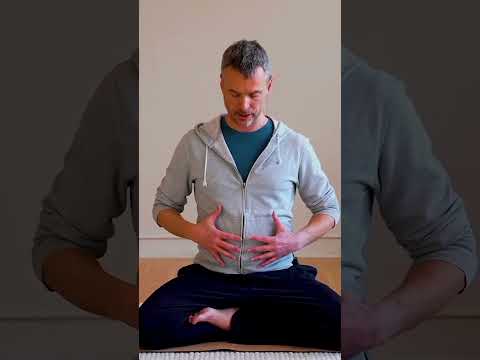
2. Place one hand on your chest and the other on your belly.
3. Inhale slowly through your nose for a count of four, feeling your belly rise.
4. Exhale gently through your mouth for a count of six, feeling your belly fall.
Repeat this process several times.
It’s important to be patient with yourself while learning this technique. Like any new skill, it takes time to become more natural at it.
You may also notice that deep breathing helps during moments of stress throughout the day—like before an important meeting or while handling daily challenges.
Incorporating diaphragmatic breathing into your routine can promote overall well-being. Consider making it part of your morning ritual or an evening wind-down activity.
Remember that while breathing exercises can support relaxation and wellness, they are just one piece of the puzzle in maintaining good health. Always think critically about what works best for you and consult trusted sources if you have concerns about mental or physical health changes.
As simple as it sounds, unlocking the power of breath can lead to significant improvements in how we feel day-to-day!
Unlocking the Hidden Benefits of Simple Breathing Techniques
Breathing is something we often take for granted. Yet, it plays a huge role in our overall well-being. Understanding the power of our breath can unlock many hidden benefits.
One effective technique is called diaphragmatic breathing, or belly breathing. This method engages the diaphragm, promoting deeper inhalation and exhalation. Think of your diaphragm as a balloon that expands and contracts with each breath.
When you breathe deeply, you increase oxygen intake. This can enhance energy levels and improve mental clarity. It’s like giving your body a refreshing drink of air.
Diaphragmatic breathing also helps activate the body’s relaxation response. This can reduce stress hormones while promoting a sense of calmness. Imagine standing by a serene lake; your breath can bring that peace to your busy mind.
Practicing this technique may also improve lung function over time. Stronger lungs mean better overall respiratory health, much like lifting weights improves muscle strength.
Here are some key benefits of diaphragmatic breathing:
To practice diaphragmatic breathing, find a comfortable position. You can lie down or sit upright. Place one hand on your chest and the other on your belly.
As you inhale through your nose, aim to expand your belly instead of raising your chest. Focus on filling up the lower part of your lungs first; it’s like pouring water into a glass from the bottom up.
Exhale slowly through pursed lips, feeling your belly contract as you push air out. Repeat this process for several minutes daily to gradually build comfort and ease with deep breathing.
It’s important to remember that everyone’s experience may differ. What feels good for one person might not feel as effective for another. Listen to your body and adjust as needed.
In today’s fast-paced world, incorporating simple techniques like diaphragmatic breathing can have profound effects on our lives—both physically and emotionally. It offers an easy way to reconnect with ourselves amid chaos.
So next time you’re feeling overwhelmed, take a moment to check in with your breath—and let it guide you toward calmness and clarity.
Unlocking the Power of Breath for Better Relaxation and Well-Being
Breathing is something we often take for granted. Yet, it plays a big role in our overall well-being. Many people don’t realize that how we breathe can impact our stress levels and relaxation.
Most of us breathe shallowly, using just our chest. This type of breathing can make us feel anxious or tense. Instead, focusing on deep breathing—especially diaphragmatic breathing—can help us relax.
Diaphragmatic breathing means using the diaphragm, a large muscle at the base of your lungs. When you breathe deeply, your belly should rise and fall, not just your chest. This technique allows for more oxygen intake and can signal to your body that it’s time to relax.
Here are some benefits of diaphragmatic breathing:
Sounds easy, right? Here’s how to try it:
1. Find a comfortable position—sitting or lying down.
2. Place one hand on your chest and the other on your belly.
3. Inhale slowly through your nose for a count of four, allowing your belly to push against your hand.
4. Exhale gently through pursed lips for a count of six.
Repeat this process several times. You might find it helps clear your mind and ground you in the moment.
It’s important to practice regularly for best results. Just like any skill, the more you do it, the easier it becomes.
Many misconceptions surround breathing techniques. Some folks think they need specialized training or tools rather than realizing they just need awareness and intention.
Remember: Breathing is powerful but doesn’t work miracles overnight. It’s one tool among many in managing stress and improving well-being.
If you’re ever feeling overwhelmed or anxious, return to this simple breath practice. It might just provide you with a moment’s peace amidst the chaos of life.
“Breathe Deep: Unleashing the Power of Diaphragmatic Breathing” highlights an essential yet often overlooked aspect of health: breathing. The practice of diaphragmatic breathing, or belly breathing, engages the diaphragm fully. This not only enhances oxygen intake but also promotes relaxation.
Diaphragmatic breathing can serve as a powerful tool for stress management. When we breathe deeply, our body activates the parasympathetic nervous system. This response helps to lower heart rates and reduce feelings of anxiety. Imagine it as calming a stormy sea; deep breaths can soothe turbulent emotions.
Furthermore, this type of breathing supports better lung health and increases overall energy levels. Think of it as exercising a muscle—by practicing diaphragmatic breathing regularly, we strengthen our respiratory system, making everyday activities feel easier.
It’s important to remember that while diaphragmatic breathing is beneficial, it’s not a cure-all for every ailment. Incorporating this technique into daily routines can enhance well-being, but individuals should also seek professional guidance when dealing with severe anxiety or respiratory issues.
Overall, embracing the power of our breath encourages mindfulness in daily life. By simply taking a moment to breathe deeply, we cultivate awareness and promote a healthier connection between body and mind—a profound step toward overall wellness.