The information provided in this article is intended solely for general informational and educational purposes. It does not constitute medical advice, diagnosis or professional treatment, and should not be considered a substitute for consultation with a qualified doctor or other licensed healthcare professional. Any health-related decisions should be made in consultation with accredited medical professionals.
While efforts have been made to ensure the information is accurate and up to date, no guarantees are given—either express or implied—regarding its accuracy, completeness, currency or suitability. Use of this information is at your own discretion.
It is strongly recommended to consult official sources such as the NHS (National Health Service) or other recognised medical institutions before acting on any information contained on this website or article. Under no circumstances should professional medical advice be ignored or delayed due to content read here.
This content is of a general and informational nature only. It is not intended to replace individualised guidance from a healthcare professional or to establish any doctor-patient relationship. The publication of this information does not imply any professional responsibility, guarantee or obligation on the part of the author or this site.
Have you ever caught yourself out of breath, even after a simple walk? You’re not alone. Many people struggle with lung capacity and don’t realize how breathing affects overall health. It’s fascinating, really—our lungs are like balloons, expanding and contracting with every breath we take. But how often do we think about giving them a workout?
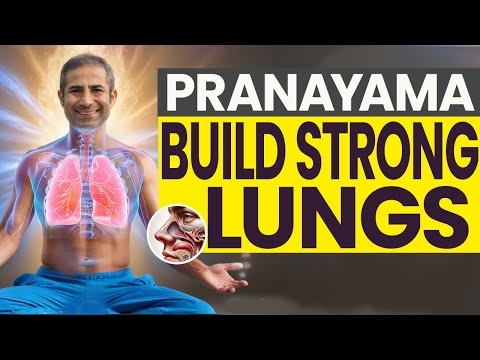
This article dives into breathing exercises specifically designed to enhance lung capacity. You might wonder why this matters. Well, better lung function can lead to improved energy levels, greater physical endurance, and even reduced stress. Who wouldn’t want that?
Look, the thing is, taking deep breaths isn’t just for relaxation; it can actually boost your health in a big way. We’ll share practical exercises that you can easily incorporate into your daily routine. Remember though, this content doesn’t replace professional medical advice; any significant health decisions should involve a healthcare provider’s guidance.
Ready to take a deep breath and get started? Let’s explore this together!
Unlock Your Lungs: Simple Exercises for Better Breathing
Understanding Lung Capacity
Your lungs are remarkable organs. They help us take in oxygen, which our bodies need to function. But, sometimes, we may not use them to their full potential. Improving lung capacity can enhance your overall health and well-being.
The Importance of Breathing Exercises
Breathing exercises can be beneficial for everyone—whether you’re an athlete or someone who sits at a desk all day. These exercises help train your lungs to work more efficiently. They can also promote relaxation and reduce stress.
Simple Breathing Techniques
Let’s look at some simple exercises you can try at home.
- Diaphragmatic Breathing: Also known as belly breathing, this technique helps use the diaphragm effectively. Place one hand on your chest and the other on your belly. Inhale deeply through your nose, letting your belly rise while keeping your chest still; then exhale slowly.
- Pursed Lip Breathing: This is great for controlling shortness of breath. Inhale deeply through your nose for two counts, then purse your lips like you’re about to whistle and exhale slowly for four counts.
- Sipping Air: It’s like taking little sips of air! Breathe in small amounts quickly with your mouth closed; it’s a good way to expand lung capacity without feeling overwhelmed.
The Benefits You May Experience
Incorporating these techniques into your routine can have various effects on how you feel daily. Improved mindfulness may lead to better focus during tasks or workouts. It might help calm anxiety when life gets hectic too.
A Common Misconception
You might hear that only athletes benefit from lung exercises—this isn’t true! Everybody can gain from these practices regardless of fitness level or age.
Main Takeaways About Lung Health
- Your lungs are essential for breathing properly; taking care of them is important!
- Regular practice of deep breathing techniques often leads to more efficient oxygen intake.
- Small daily changes in how you breathe can lead to significant improvements over time.
So hey, if you’re looking for ways to enhance lung capacity and health, give these exercises a shot! Remember that consistency is key: even setting aside just a few minutes each day could make things better in the long run. Always consult with a healthcare provider if you have specific concerns related to breathing or lung health!
Unlock Your Lung Potential for Better Health and Vitality
Understanding Lung Capacity
Lung capacity refers to the total amount of air your lungs can hold. Think of it like a balloon—bigger balloons can hold more air, right? Well, our lungs work in a similar way. Enhancing your lung capacity can help you feel more energetic and improve overall health.
Why It Matters
Good lung function is crucial for many activities—like running, swimming, or even just carrying groceries. When your lungs work well, they supply enough oxygen to your body. Oxygen is essential for energy production and bodily functions.
Breathing Exercises
You may wonder how to strengthen those lung muscles. That’s where breathing exercises come in handy. They can help stretch and expand your lungs, improving your overall airflow.
- Diaphragmatic Breathing: This involves breathing deeply into your diaphragm rather than just your chest. Lay on your back with a pillow under your knees, place one hand on your chest and the other on your belly. As you breathe in through the nose, feel that lower hand rise while keeping the upper hand still.
- Pursed Lip Breathing: This technique helps slow down your breath and makes it easier to breathe out fully. Breathe in through the nose for two counts and exhale through pursed lips for four counts—like you’re blowing out a candle.
- Box Breathing: It’s simple yet effective: inhale for four counts, hold for four counts, exhale for four counts, then hold again for four before repeating. It helps calm the mind along with improving lung function.
The Role of Posture
Your posture affects how well you breathe too! When slouched at a desk or couch, it can restrict lung capacity. Sitting up straight opens up space in thoracic cavity—allowing better airflow.
The Importance of Fresh Air
Breathe fresh air whenever you can! Spending time outdoors brings benefits—like improved mood and increased oxygen levels in the body. Simply being outside often encourages deeper breaths as you take in the fresh scents around you.
Mistakes to Avoid
A common misconception is that deep breathing requires very loud exhales—that’s not true! Gentle breaths are actually more effective than forcing air out rapidly or making noise while exhaling.
Lifestyle Changes Matter Too
A healthy lifestyle supports good lung function as well! Regular exercise strengthens muscles used in breathing; balanced nutrition fuels body energy production as well!
Final Thoughts
This journey towards better breath may seem intimidating at first but start slowly! Like building muscle—patience is key when enhancing lung capacity over time. Remember that consistent practice leads to gradual progress!
Enhancing Vitality: Simple Breathing Techniques to Boost Lung Health for Seniors
Understanding Lung Health for Seniors
Lung health is super important, especially as we age. Our lungs work hard to provide oxygen to our bodies and remove carbon dioxide—a waste product from our cells. Over time, lungs can become less efficient, but there are ways to help keep them strong.
Breathing techniques can help boost lung capacity and support overall well-being. The cool thing is, these exercises are simple and can often be done right at home.
Why Breathing Exercises Matter
When you practice breathing exercises, it helps your body’s oxygen levels. This can improve energy levels and even mood. Think of your lungs like balloons; the more you inflate them with air, the more capacity they have! Plus, deep breathing can reduce stress—something everyone needs.
Simple Techniques to Try
- Diaphragmatic Breathing: Sit or lie down comfortably. Place one hand on your chest and the other on your abdomen. Breathe in slowly through your nose, letting your belly rise while keeping your chest still. Exhale gently through pursed lips.
- Pursed Lip Breathing: Inhale deeply through the nose for two counts. Then purse your lips like you’re about to whistle and exhale slowly for four counts. This technique helps control how fast you breathe out!
- Box Breathing: Imagine drawing a square in the air with each breath cycle. Inhale for four counts, hold for four counts, exhale for four counts, then hold again for four counts before inhaling again.
A Few Tips on Practice
You don’t need any fancy equipment or vast spaces to practice these techniques. Just find a quiet spot where you can focus without distractions. The best time? Well that’s whenever you feel like it—maybe in the morning or right before bed?
If you’re new to these exercises or find them hard at first—don’t sweat it! Start slow and gradually build up how long you do them each day.
Cautions To Keep In Mind
The Benefits Keep Going!
You know what’s great? Regular practice may lead not only to better lung function but also greater relaxation overall! Engaging in breathing exercises consistently could make daily activities feel easier over time.
If you’ve got grandkids running around or hobbies you’re passionate about—having good lung health enhances all of that joy!
Your Journey Towards Better Lung Health
Easier breathinG means more vitality as we age! By adding simple breathing techniques into daily routines every now and then can make a big difference over time.
No need to rush this process; just enjoy the journey towards enhanced well-being along the way!
Breathing exercises are one of those concepts that sound simple but can really transform one’s health. When we talk about lung capacity, it’s important to realize it’s not just about how much air our lungs can hold. It’s also about how efficiently we exchange oxygen and carbon dioxide.
Engaging in breathing exercises can help increase lung capacity, which is particularly beneficial for athletes or people with respiratory issues. For instance, think of it like stretching a rubber band. The more you stretch it gradually, the more flexible it becomes. Similarly, practicing deep and controlled breathing expands your lungs’ ability to take in air.
One example of a helpful technique is diaphragmatic breathing. This involves using the diaphragm—the muscle at the base of your lungs—rather than shallow chest breathing. When you breathe deeply from your belly instead of your chest, you pull air deeper into your lungs.
You might wonder how this ties into everyday life? Well, managing stress is a big part of it too! When we’re stressed or anxious, our body tends to take quick short breaths. Learning to slow down and breathe deeply not only boosts lung capacity but also calms the mind.
The best part? These exercises can be done anywhere! Whether sitting on the couch or taking a break at work; who knew improving health could be so accessible? Overall, incorporating focused breathing practices could serve as a simple yet profound way to enhance overall wellbeing.