The information provided in this article is intended solely for general informational and educational purposes. It does not constitute medical advice, diagnosis or professional treatment, and should not be considered a substitute for consultation with a qualified doctor or other licensed healthcare professional. Any health-related decisions should be made in consultation with accredited medical professionals.
While efforts have been made to ensure the information is accurate and up to date, no guarantees are given—either express or implied—regarding its accuracy, completeness, currency or suitability. Use of this information is at your own discretion.
It is strongly recommended to consult official sources such as the NHS (National Health Service) or other recognised medical institutions before acting on any information contained on this website or article. Under no circumstances should professional medical advice be ignored or delayed due to content read here.
This content is of a general and informational nature only. It is not intended to replace individualised guidance from a healthcare professional or to establish any doctor-patient relationship. The publication of this information does not imply any professional responsibility, guarantee or obligation on the part of the author or this site.
Have you ever noticed how some exercises seem to work more than just one muscle at a time? It’s pretty fascinating, really. That’s the beauty of compound exercises. They’re like a multitasking workout for your body.
Think about it: when you’re lifting weights or doing squats, you’re not just working your legs; you’re engaging your core and even your arms sometimes. This can save you time and boost your overall fitness.
In this article, we’ll dive into the benefits of compound exercises. We’ll explore how they can not only make you stronger but also improve balance and coordination. You’ll discover practical tips to incorporate them into your fitness routine. You know, the kind that fits right into your busy life.
Remember, this content does not replace medical advice! It’s crucial to consult a healthcare professional before making any significant changes to your exercise regimen or health routine. Your journey towards health should be safe and suited for you.
So, let’s get started on enhancing your health with some smart moves!
Unlock Your Strength and Efficiency with Every Move
Understanding Compound Exercises
Compound exercises are movements that engage multiple muscle groups and joints at once. Think of a squat or a deadlift, which works your legs, back, and core all together. This makes them really efficient for building strength.
Why are they so beneficial? Well, when you use more muscles in one go, you can lift heavier weights. Plus, your body gets better at coordinating movements. It’s kinda like playing an instrument: the more you practice with both hands together, the better you become.
Strength Benefits
For strength training, compound exercises can help improve overall power and reduce workout time. Imagine doing bench press for your chest and triceps compared to doing push-ups alone. The bench press allows you to lift more weight than just using your body weight.
A broader range of muscle engagement means greater calorie burn too! When you’re lifting heavier weights as part of compound exercises, your body works harder even when resting afterwards. It’s like running a marathon; you’re burning calories long after crossing the finish line.
Efficiency in Your Routine
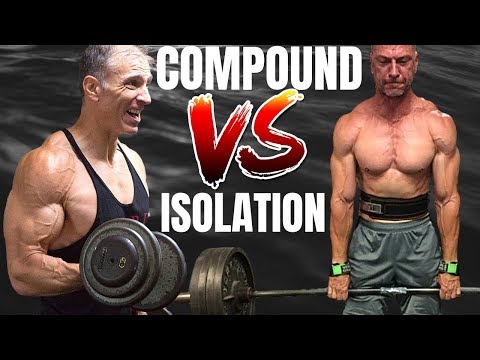
If you have a busy schedule (who doesn’t?), these exercises can maximize results in less time. Just think—an hour spent on squats and deadlifts can be more effective than spending the same hour isolating muscles with bicep curls or tricep extensions.
- Time-saving: Fewer exercises needed for a complete workout.
- Muscle Growth: More muscle fibers activated = greater growth potential.
- Cognitive Benefits: Requires focus and coordination; enhances mental sharpness!
Simplicity of Learning
You might wonder if they are harder to learn than isolation moves. Good news—they’re often easier to pick up! Once you’ve grasped the basic form of squats or push-ups, you’re set for many variations that keep it interesting without having to learn completely new moves every time!
Cautions Before You Start
The thing is: don’t rush into heavy lifting right away. Good form is crucial here! Without it, injuries could occur easily because when using multiple muscle groups, imbalances may happen if you’re not careful.
A good idea? Start with lighter weights initially until you’re comfortable moving through those ranges of motion smoothly while keeping control over your body.
Your Personal Approach
No two workouts should look identical since we all have different goals and fitness levels! Maybe you want strength for daily activities like carrying groceries or playing with kids—compound movements fit seamlessly into these tasks because they mimic real-life actions!
- Keeps Workouts Fresh: Rotate between different compound lifts to avoid boredom!
- Create Balance: Pair these with mobility work to ensure flexibility remains intact.
- Add Variation: Light weights can massively improve endurance while still focusing on form.
The Bottom Line on Compound Exercises
Diving into compound exercises is an excellent step toward enhancing overall health and efficiency during workouts. Just remember: it’s all about balance between muscle engagement and proper technique!
If you’re curious about how to incorporate them effectively into your routine without overwhelming yourself—take it one step at a time! A good practice is asking friends who may have experience in physical training for recommendations based on their journeys too—it could just spark some new ideas!
Unlocking Your Fitness Potential: The Transformative Power of Compound Movements
Understanding Compound Movements
Okay, so what are compound movements? Simply put, these are exercises that work multiple muscle groups at once. Think about a squat or a deadlift. When you do these moves, your entire body is engaged—your legs, core, and even upper body to some extent.
You might be wondering why they’re so great for fitness. Well, the thing is, using more muscles can lead to better overall strength. Imagine if you’re trying to carry a heavy box. Using both your arms and legs makes the job easier than just using one or the other.
Benefits of Compound Exercises
Now let’s look at some benefits of compound exercises:
- Efficiency: Doing compound movements saves time. You’re getting a full-body workout instead of just targeting one area.
- Increased calorie burn: More muscles working means you burn more calories—helpful if weight management is part of your goal.
- Functional strength: These exercises mimic real-life activities. Squatting helps with sitting and standing; pushing movements help with carrying groceries.
- Improved coordination: Since multiple muscle groups are involved, you’re training your body to work harmoniously.
A Few Popular Compound Exercises
If you want to give this a shot, consider trying some common ones like:
- Squats: Great for your legs and core.
- Deadlifts: Works almost every major muscle group.
- Bench Press: Targets your chest while engaging shoulders and triceps as well.
- Lunges: Useful for leg strength and balance simultaneously.
Tips for Getting Started
You might feel unsure about jumping into these exercises at first. That’s totally okay!
- This way you can avoid injury and learn proper form before adding weight or complexity.
- If something feels off or painful (not just challenging), it’s good to stop and reassess what’s going on.
- Mixing things up prevents boredom and keeps those muscles surprised in a good way!
Myths Surrounding Compound Movements
You might hear people say that only heavy weights matter when working out with compound movements. That’s simply not true! You can start light and still gain plenty of benefits as long as you’re focusing on proper technique and form first before progressing with weights over time. Also, it’s common belief that women should avoid heavy lifting because they’ll get “too bulky.” But that’s not how it works; it takes lots of effort—and often special nutrition—to achieve that look!
The Bottom Line
If you’re looking to maximize effectiveness in your workouts while improving overall functionality in daily life tasks—you might wanna consider incorporating more compound movements into the routine! They’re versatile, efficient,and can offer some seriously rewarding benefits over time! Just remember—like anything new—it takes practice but can pay off big time if you stick with it!
Unlocking Heart Health: How Compound Exercises Boost Your Cardiovascular System
Understanding Heart Health and Compound Exercises
The heart is like the engine of your body. It pumps blood, delivers oxygen, and removes waste. Keeping it strong is key to overall health. One great way to support your heart’s function is through compound exercises.
What Are Compound Exercises?
Compound exercises are movements that work for multiple muscle groups at once. Think about squats or deadlifts—they engage the legs, core, and even the back. This can give you a greater workout in less time.
Why Are They Beneficial for Your Heart?
When you perform compound exercises, your heart rate increases. This means your heart has to pump harder, which strengthens it over time. A stronger heart can efficiently circulate blood throughout your body.
To put it another way: imagine driving a car on a flat road versus a steep hill. Your engine works harder going uphill—just like your heart during vigorous activity!
Boosting Cardiovascular Endurance
This type of exercise also contributes to cardiovascular endurance. By repeatedly engaging in these workouts, you’re improving how well your heart uses oxygen during physical activity.
- Better energy levels
- Improved stamina for daily tasks
- A lowered risk of conditions like high blood pressure
The Role of Consistency and Intensity
You might wonder: how often should you do these exercises? Well, consistency matters more than intensity at first. Aim for two to three sessions a week focusing on compound movements.
If you’re new to exercising—take it slow! You can gradually increase the weight or intensity as you get stronger and more comfortable.
A Real-Life Example
Let’s say you’re carrying groceries into the house. Instead of making two trips with lighter bags, doing one trip with heavier bags helps build strength faster while giving your heart a good workout too! That’s similar to how compound exercises work—they encourage efficiency and effectiveness.
Merging Strength Training with Cardio
A cool thing about compound exercises is they can blend strength training with cardiovascular benefits! For example, doing kettlebell swings not only targets muscles but also raises your heart rate quickly.
- Saves time at the gym!
- Keeps workouts dynamic and interesting
- Helps prevent boredom in fitness routines
Cautions and Considerations
If you’ve got existing health issues or haven’t exercised in awhile; it’s smart to consult someone who knows about fitness before starting something new. Everyone’s body reacts differently—with individual limitations—and it’s good to respect those limits while working towards improvement.
The Takeaway!
Your heart deserves some attention and care! Compound exercises offer an engaging way not only to help maintain good cardiovascular health but also build strength effectively. They require less time compared with isolating single muscles — so they might just be perfect for busy lifestyles!
Compound exercises are a fantastic way to improve overall fitness. They involve multiple muscle groups and joints, making your workouts more efficient. Think about squats or deadlifts; they engage your legs, core, and even your upper body. This means you’re getting more bang for your buck during each session.
One of the primary benefits of compound exercises is that they mimic real-life movements. When you lift groceries or climb stairs, you’re using similar patterns as in, say, a bench press or a lunge. So not only do these exercises build strength, but they also help you perform daily activities more effectively.
Moreover, compound lifts can save time. Instead of spending hours at the gym isolating each muscle group with specific exercises, you can achieve full-body conditioning in less time. This is especially important for those with busy schedules.
However, it’s essential to focus on form to avoid injuries. Using the correct technique is key when lifting heavy weights or performing dynamic movements. Start with lighter weights until you’re comfortable before progressing.
A simple tip? Incorporate them into your routine gradually. Perhaps start with two compound exercises per workout and build from there as you grow stronger and more confident.
The bottom line? Compound exercises offer an effective way to enhance strength and endurance while improving functional movements needed in everyday life.