The information provided in this article is intended solely for general informational and educational purposes. It does not constitute medical advice, diagnosis or professional treatment, and should not be considered a substitute for consultation with a qualified doctor or other licensed healthcare professional. Any health-related decisions should be made in consultation with accredited medical professionals.
While efforts have been made to ensure the information is accurate and up to date, no guarantees are given—either express or implied—regarding its accuracy, completeness, currency or suitability. Use of this information is at your own discretion.
It is strongly recommended to consult official sources such as the NHS (National Health Service) or other recognised medical institutions before acting on any information contained on this website or article. Under no circumstances should professional medical advice be ignored or delayed due to content read here.
This content is of a general and informational nature only. It is not intended to replace individualised guidance from a healthcare professional or to establish any doctor-patient relationship. The publication of this information does not imply any professional responsibility, guarantee or obligation on the part of the author or this site.
Have you ever found yourself sweating through the night, or feeling suddenly irritable for no reason? You’re not alone. A lot of women experience these symptoms when they hit menopause. It’s a natural part of life, but that doesn’t mean it’s easy.
The thing is, menopause can bring a whole host of changes. Hot flashes, mood swings, and sleep disturbances can really throw off your daily routine. Many women feel overwhelmed during this transition. But know this: there are ways to manage these symptoms that don’t involve jumping straight to medication.
This article shares five self-care tips specifically for women navigating menopause. You’ll find practical strategies that can help ease those pesky symptoms and improve overall well-being.
Of course, it’s crucial to remember this content doesn’t replace professional medical advice. Health decisions should always be made with a healthcare provider’s guidance. After all, you deserve support on this journey!
Discover Effective Remedies for a Smoother Transition
Understanding Menopause
Menopause is a natural phase in a woman’s life, usually occurring between ages 45 and 55. It marks the end of menstrual cycles as hormone levels drop. This can lead to symptoms like hot flashes, mood swings, and sleep issues.
Symptom Management Through Self-Care
Managing menopause symptoms often involves self-care techniques that are accessible and practical. Here are some strategies that might help.
Maintain a Healthy Diet
A balanced diet plays a big role in how you feel during menopause. Focus on whole foods like fruits, vegetables, lean proteins, and whole grains. Calcium-rich foods are also important as they support bone health.
Stay Active
Exercise is another way to ease symptoms. Regular activity can reduce stress levels and improve mood. Think about activities you enjoy—like walking, swimming, or yoga—to stay motivated.
Prioritize Sleep
Sleep disturbances are common during menopause and can affect your overall well-being. Establishing a relaxing bedtime routine may help you wind down at night. Try keeping the bedroom cool and dark for better sleep quality.
Mental Wellness Matters
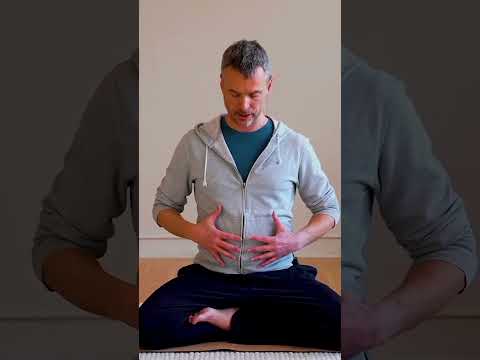
Mental health is just as crucial as physical well-being during this transition. Mindfulness practices like meditation or deep breathing can help calm the mind and balance emotions.
Seek Supportive Connections
- Talk: Sharing experiences with friends or support groups can lighten the emotional load.
- Acknowledge: Recognizing that others go through similar challenges helps normalize the experience.
- Nurture: Building strong relationships provides comfort during this time of change.
The Role of Natural Remedies
Some women find relief with natural remedies like herbal supplements or essential oils. However, it’s important to research these options thoroughly before trying them out since not everything works for everyone.
The Bottom Line
”
This transition period can be challenging but exploring self-care strategies might make it smoother for many women out there. Each woman’s experience is unique, so finding what resonates with you is key!
Transform Your Journey with Simple, Delicious Meals and Empowering Choices
Understanding Menopause and Self-Care
Menopause is a natural phase in a woman’s life. It often occurs between the ages of 45 and 55. During this time, hormone levels fluctuate, which can lead to various symptoms. These might include hot flashes, mood swings, and sleep disturbances. It’s a lot to manage.
Taking time for self-care can really help during this transition. It’s about finding what works for you, as each woman’s experience is unique. Here are some simple ways to consider enhancing your journey through menopause.
1. Nutrition Matters
Nourishing your body with wholesome foods can provide comfort and balance. Focus on fruits, veggies, whole grains, and lean proteins. Think about it like fueling a car; you wouldn’t put bad fuel in! Foods rich in calcium and vitamin D are particularly important for bone health.
- Dairy products like yogurt or cheese
- Leafy greens such as kale or spinach
- Fatty fish like salmon
- Nuts and seeds for healthy fats
Sometimes cooking together with friends or family can make meal prep fun! You could try new recipes that elevate your mood while also being nutritious.
2. Hydration is Key
You may notice intense hot flashes or night sweats during menopause; staying hydrated helps! Drinking water throughout the day supports overall well-being.
An easy way to remember to drink water is keeping a cute water bottle nearby or even setting reminders on your phone. Herbal teas are also a nice alternative that might soothe without caffeine jitters.
3. Mindfulness Practices
Meditation or gentle yoga can be real game-changers for managing stress and anxiety associated with menopause symptoms. Just few minutes of deep breathing each day could center you immensely.
- Candlelit evenings with soft music create welcoming spaces for relaxation.
- Pilates classes may offer gentle movement without over-exertion.
Even short walks outside can refresh your mind while giving you some fresh air! Nature has its own way of lifting spirits—so go ahead, take it in!
4. Prioritize Sleep Hygiene
Lack of sleep is common during menopause due to hormonal changes disrupting patterns. Establishing good sleep hygiene might help improve those restless nights.
- A consistent bedtime routine signals your body it’s time to wind down.
- A dark room with minimal distractions supports better rest.
- Avoid screens before bed; they trick the brain into thinking it’s time to stay awake!
5. Connect with Others
You don’t have to go through this alone! Talking with friends who understand what you’re experiencing can be comforting—and often funny too!
- Your healthcare provider might also suggest support groups where women share stories and coping strategies together.
- If you’re comfortable sharing on social media platforms—sometimes virtual communities provide an abundance of support!
This transition brings its challenges but finding ways to care for yourself holds immense power in navigating these changes gracefully. Listen closely to what your body needs; you’ve got this!
Your Guide to Easing Worries and Finding Calm During Change
Menopause can feel like a rollercoaster ride, right? One moment you’re fine, and the next, you’re dealing with hot flashes or mood swings. It’s normal to worry about these changes. But trust me, there are ways to help manage those symptoms and find some peace.
1. Embrace Self-Care Routines
Getting into a self-care routine can be really beneficial. Think of it as creating a little sanctuary just for you. That could mean enjoying a warm bath at night or reading your favorite book. It’s all about carving out time for yourself, you know?
2. Stay Active
You might not feel like moving when those menopause symptoms hit hard, but staying active is super important. Even a short walk can boost your mood and energy levels. Plus, exercise helps with sleep too, which is vital when those night sweats disturb your slumber.
3. Talk It Out
Sometimes just talking about what you’re feeling can lighten the load. Whether it’s with friends or support groups online, sharing experiences helps normalize what you’re going through. You’re definitely not alone in this; so many women share similar stories.
4. Mindfulness and Relaxation
Meditation and deep breathing exercises can work wonders for anxiety during menopause changes. Picture it as hitting the “reset” button on your brain! Just taking five minutes to breathe deeply can bring instant calm amidst chaos.
5. Nutrition Matters
The food you eat directly impacts how you feel—it’s true! Including more fruits, vegetables, and whole grains in your diet may help ease symptoms like mood swings or fatigue. And hey, don’t forget to stay hydrated; that makes such a difference!
Incorporating these tips into your daily life won’t fix everything overnight but small changes add up over time! Remember that it’s okay to seek help if you need it; whether from friends, family or even professionals who specialize in women’s health.
Your journey through menopause is uniquely yours—embrace each step of the way and give yourself grace during this transition!
Managing menopause can be a challenging journey for many women. Self-care becomes paramount during this time, as it can greatly influence how one copes with symptoms. Here are five self-care tips that may help ease some of the discomfort.
- Stay Hydrated: Drinking plenty of water is so important. Dehydration can worsen symptoms like hot flashes or mood swings.
- Eat Balanced Meals: A diet rich in fruits, vegetables, lean proteins, and whole grains supports overall health. Bone density and heart health are particularly crucial during menopause.
- Exercise Regularly: Physical activity doesn’t just help maintain a healthy weight—it also boosts mood and energy levels. Even a daily walk can make a big difference.
- Meditation and Mindfulness: Taking time to breathe deeply or practice mindfulness can significantly lower stress levels. This practice helps in managing anxiety and irritability that often accompany menopause.
- Connect with Others: Sharing experiences with friends or joining support groups offers emotional relief. It’s comforting to know you’re not alone in this journey.
The thing is, every woman’s experience with menopause is unique; what works for one person might not work for another. It’s about finding what feels right and beneficial for you individually.
The exploration of self-care during menopause is not only practical; it’s truly empowering, allowing women to reclaim control over their well-being at this stage of life.