The information provided in this article is intended solely for general informational and educational purposes. It does not constitute medical advice, diagnosis or professional treatment, and should not be considered a substitute for consultation with a qualified doctor or other licensed healthcare professional. Any health-related decisions should be made in consultation with accredited medical professionals.
While efforts have been made to ensure the information is accurate and up to date, no guarantees are given—either express or implied—regarding its accuracy, completeness, currency or suitability. Use of this information is at your own discretion.
It is strongly recommended to consult official sources such as the NHS (National Health Service) or other recognised medical institutions before acting on any information contained on this website or article. Under no circumstances should professional medical advice be ignored or delayed due to content read here.
This content is of a general and informational nature only. It is not intended to replace individualised guidance from a healthcare professional or to establish any doctor-patient relationship. The publication of this information does not imply any professional responsibility, guarantee or obligation on the part of the author or this site.
Have you ever wondered why your body feels so different as you get older? Or why those hot flashes seem to strike at the most inconvenient times? If you’re nodding along, you’re not alone. Menopause is a natural part of life, but it can be quite the rollercoaster ride.
This article dives into menopause—what it is, how it affects you, and what you can do about it. From treatments that can help manage symptoms to lifestyle changes that promote overall well-being, we’ll cover a lot of ground together. It’s all about empowering you with knowledge so you can navigate this phase of life with confidence.
Understanding menopause makes a huge difference. Whether you’re experiencing mood swings, sleep disturbances, or changes in weight, it’s important to know there are ways to feel better. Remember: while this article provides helpful insights and suggestions, it’s not a substitute for professional medical advice. Always chat with your healthcare provider before making any health decisions.
Finding Relief and Embracing Change Through Every Stage of Menopause
Menopause can feel like a rollercoaster ride, can’t it? It’s that transition in a woman’s life when her periods stop, usually happening around the late 40s to early 50s. But hey, it’s more than just the end of menstruation; it’s about hormonal shifts, emotional changes, and physical symptoms.
What Are the Stages of Menopause?
Understanding menopause’s stages helps. First up is perimenopause—this is like the warm-up act. Hormones start fluctuating, which can lead to irregular periods and mood swings.
Next comes menopause itself. That’s when you’ve gone a whole year without a period. Finally, postmenopause includes the years after menopause when symptoms may ease but other health issues could arise.
Common Symptoms
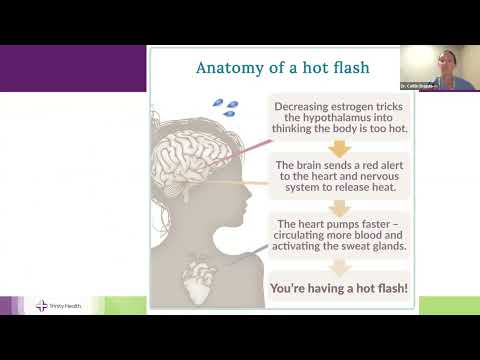
You might experience hot flashes or night sweats—sometimes it feels like you’re suddenly standing in front of a heater! Mood swings are also common. One moment you’re fine; the next? You might be crying over spilled milk.
Sleep problems can arise too. Who knew an unstoppable urge to sleep could come with waking up drenched? And then there are changes in libido or vaginal dryness which some may find uncomfortable.
Effective Treatments
The options for relief are plenty! Hormone Replacement Therapy (HRT) is one choice—it replaces hormones that drop during menopause. Think of it like topping off gas in your car to keep it running smoothly.
If HRT isn’t for you, non-hormonal medications exist too. Antidepressants and certain blood pressure drugs can sometimes help with hot flashes and mood swings.
Lifestyle Tips for Navigating Menopause
- Energize with Exercise: Regular activity helps improve mood and sleep quality while keeping your heart healthy.
- Dive into Nutrition: Eating a balanced diet rich in fruits, veggies, whole grains will do wonders! Calcium and vitamin D are key players for bone health as well.
- Pace Yourself: Stress-management techniques such as yoga or meditation can provide calming effects during turbulent times.
- Sparking Connections: Never underestimate support from friends or communities who understand what you’re going through!
Myths About Menopause
A popular myth is that menopause means an end to sexuality—that’s not true at all! With open communication and perhaps some experimentation with lubricants or other products, many women continue to enjoy fulfilling intimate lives.
Anxiety about gaining weight often pops up too; yes, metabolism may change but maintaining an active lifestyle can help manage those shifts quite nicely!
The Bigger Picture: Embracing Change
This transition isn’t just about discomfort; it’s also a new chapter. Many women find empowerment post-menopause because they often feel freer from societal pressures related to fertility or menstruation.
The journey through menopause might be challenging at times but reaching out for support and educating yourself makes all the difference. Remember: every woman’s experience is unique!
If you’re feeling overwhelmed by this transition, consider talking to someone you trust or looking into resources tailored specifically for women facing similar changes—you’ve got this!
Essential Tips for Navigating Wellness in Your Transition
Understanding Menopause
Menopause is a natural phase in a woman’s life, usually occurring between ages 45 and 55. It’s that time when your body stops producing eggs, and menstrual cycles become irregular before stopping altogether. This transition can bring about various symptoms like hot flashes, mood swings, and sleep problems.
During this stage, hormones like estrogen and progesterone fluctuate. Think of hormones as the body’s messengers; when their levels change significantly, things can feel a bit chaotic.
Effective Treatments
There are several ways to address menopause symptoms. One common approach is hormone replacement therapy (HRT). HRT helps balance those fluctuating hormones. It’s sort of like giving your body the boost it needs during this transition.
But hey, not everyone will go for HRT due to side effects or personal preference. Some might prefer non-hormonal medications, which can also help manage symptoms without introducing extra hormones into the body.
Lifestyle Tips
- Stay Active: Regular exercise can relieve stress and improve mood—almost like hitting the reset button on your day!
- Nutrition Matters: Eating a balanced diet rich in fruits, vegetables, whole grains, and lean proteins can support overall health during menopause. Think of food as fuel that powers your daily activities.
- Sufficient Sleep: Prioritizing a good night’s sleep is really important. Sleep disturbances are common during menopause; establishing a calming bedtime routine can help.
- Mental Well-being: Practicing mindfulness or yoga might help you manage stress levels more effectively—it’s all about finding what works best for you.
- Stay Hydrated: Drinking enough water contributes to better skin health and may even ease some menopausal symptoms!
Avoiding Myths
You may hear some wild stories about menopause from friends or online forums. For example, it’s not just an end of fertility; it’s a new chapter in life! Often people think it means losing all vitality or energy forever; that’s definitely not true!
The experience varies greatly from one woman to another. Some sail through with minimal symptoms while others face more struggles. This diversity highlights the importance of personalized strategies in navigating wellness during this time.
Your Unique Journey
No two journeys through menopause are alike. Engaging with healthcare providers who understand these differences is crucial—they’re there to listen and provide guidance tailored to your needs.
If you’re feeling overwhelmed at any point along the way? That’s totally normal! Consider seeking support from friends or support groups—it really helps when you know you’re not alone in this experience.
Navigating menopause is all about finding balance during a natural transformation process in life—being gentle with yourself makes a significant difference! Remember to explore options that resonate with you personally—the path forward should feel right for your unique situation.
Uncovering the Most Common Change Every Woman Faces
Navigating Menopause: Understanding the Journey
Menopause is a natural part of aging for women, often starting in their late 40s to early 50s. It marks the end of your menstrual cycles and fertility due to hormonal changes. The key hormones involved here are estrogen and progesterone, which decline during this time.
Hey, let’s break it down! Think of menopause like a transition in seasons. Just as fall leads to winter, your body undergoes significant changes before reaching the “winter” phase where periods stop completely.
Common Symptoms
During menopause, many women experience a range of symptoms. Hot flashes, for instance, are quite common. Imagine suddenly feeling intense warmth spreading through your body… that’s a hot flash!
- Night sweats: These can disrupt sleep and leave you feeling sweaty and uncomfortable at night.
- Mood swings: Changes in hormones can play around with your emotions—sometimes you might feel happy; other times, not so much.
- Cognitive changes: Forgetfulness or trouble concentrating is something some women report.
- Physical changes: Weight gain or alterations in skin texture may occur as well.
Lifestyle Tips
The good news? There are ways to navigate this journey that don’t solely rely on medication. Regular exercise is crucial; think about taking walks or joining a fitness class. It not only helps manage weight but also boosts mood and energy levels.
You know, maintaining a balanced diet rich in fruits, vegetables, lean proteins, and whole grains can help too! Staying hydrated makes a difference as well; sometimes we forget how important water is!
Treatments to Consider
If symptoms become overwhelming, there are treatments worth considering. Hormone replacement therapy (HRT) is one option—it involves taking medications that replace hormones no longer produced by your ovaries. However it’s important you discuss this with someone who understands the nuances involved.
You might also explore non-hormonal options like certain antidepressants or herbal supplements that can help manage specific symptoms like hot flashes.
A Support Network
A support network plays an essential role too—talking with friends who’ve been through it or joining support group could be really helpful. Sharing experiences normalizes what you’re going through and might even lighten the load emotionally.
The thing is to remember you’re not alone on this path; many women worldwide face similar challenges during menopause. Understanding the journey can make it feel less daunting—it’s just another chapter in life!
Reflection on “Navigating Menopause: Effective Treatments and Lifestyle Tips”
Menopause is a significant phase in a woman’s life, often accompanied by various physical and emotional challenges. Understanding this transition is crucial for improving quality of life. The article effectively highlights how treatments can alleviate symptoms like hot flashes and mood changes.
Hormone Replacement Therapy (HRT) stands out as an effective medical option, but it’s not for everyone. Some may experience side effects or have health concerns that make HRT unsuitable. It’s essential to consider individual circumstances when choosing a treatment plan.
Lifestyle changes play a vital role too. Regular exercise, a balanced diet, and stress management can make a world of difference. For instance, yoga can help reduce anxiety while also promoting physical health.
The importance of open communication with healthcare providers cannot be overstated. Women should feel empowered to discuss their symptoms candidly, exploring all available options tailored to their needs.
This article presents valuable insights that can foster understanding and support among women navigating menopause. Ultimately, it encourages proactive approaches which make coping with this natural phase easier.