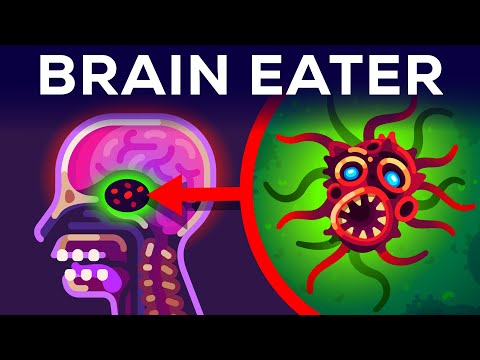
Have you ever heard of a brain-eating amoeba? It sounds like something out of a science fiction movie, but it’s very real. The name itself might send shivers down your spine, but understanding this organism can help you take informed and responsible steps for your health.
This tiny single-celled creature, known scientifically as *Naegleria fowleri*, lives in warm freshwater environments like lakes and hot springs. Though rare, infections can occur if the amoeba enters the body through the nose, usually during activities like swimming or diving. Once inside, it can cause a serious brain infection called primary amoebic meningoencephalitis (PAM).
It’s essential to approach this topic with curiosity rather than fear. Knowledge is empowering. By learning about how this amoeba operates and recognizing the risks associated with it, you can take safer actions when enjoying freshwater activities.
However, it’s equally important to stay informed through reputable sources. There is a lot of misinformation out there about health threats like the brain-eating amoeba. Always consult specialists and utilize various media outlets to get accurate information. Remember: awareness can lead to safety!
The information provided in this article is intended solely for general informational and educational purposes. It does not constitute medical advice, diagnosis or professional treatment, and should not be considered a substitute for consultation with a qualified doctor or other licensed healthcare professional. Any health-related decisions should be made in consultation with accredited medical professionals.
While efforts have been made to ensure the information is accurate and up to date, no guarantees are given—either express or implied—regarding its accuracy, completeness, currency or suitability. Use of this information is at your own discretion.
It is strongly recommended to consult official sources such as the NHS (National Health Service) or other recognised medical institutions before acting on any information contained on this website or article. Under no circumstances should professional medical advice be ignored or delayed due to content read here.
This content is of a general and informational nature only. It is not intended to replace individualised guidance from a healthcare professional or to establish any doctor-patient relationship. The publication of this information does not imply any professional responsibility, guarantee or obligation on the part of the author or this site.
Unveiling the Mysteries of Nature’s Most Unusual Predator
The brain-eating amoeba, known as Naegleria fowleri, is a single-celled organism that can be found in warm freshwater. It’s unusual and often misunderstood. Many people have heard of it but don’t really know what it does or how it behaves.
This amoeba thrives in hot springs, lakes, and poorly maintained swimming pools. Imagine it like a tiny underwater creature that enjoys warm environments. It usually enters the body through the nose when someone swims or dives into contaminated water.
It’s important to note that Naegleria fowleri infections are extremely rare. In fact, there are only about three to five cases reported each year in the United States. This makes it more of a curiosity than a common health threat.
Once inside the body, it can travel to the brain and cause a severe infection called primary amoebic meningoencephalitis (PAM). Symptoms of PAM may start with headaches or fever and quickly progress to nausea, vomiting, and confusion.
Many people think this infection only happens during certain times of the year or specific activities. However, it’s crucial to understand that anyone can be at risk if they swim in contaminated water during warm months.
Ways to reduce risk include:
Another myth is that Naegleria fowleri is transmitted through drinking water. This isn’t true; you can’t get infected by consuming treated tap water. The danger lies mainly in aquatic environments where the amoeba lives.
Understanding how this organism works helps demystify its reputation as a “brain-eating” predator. It’s not specifically targeting humans; rather, it’s just part of its natural lifecycle.
If symptoms develop after exposure to potentially contaminated water, seeking medical attention quickly is vital for better outcomes—even though fatalities are very serious with PAM.
In summary, while Naegleria fowleri can be alarming due to its unusual nickname and effects on health, staying educated about where you swim and taking simple precautions can greatly reduce your risk of infection. Remember: knowledge is your best defense!
Uncovering the Early Symptoms of a Mysterious Infection
Understanding mysterious infections can be challenging, especially when they involve rare pathogens. One such infection is caused by the brain-eating amoeba, scientifically known as Naegleria fowleri. This organism is found in warm freshwater environments like lakes and hot springs.
The early symptoms of an infection may be subtle and can resemble other illnesses. It’s crucial to recognize them to seek timely help. Symptoms typically start within 1 to 9 days after exposure.
Early signs include:
As the condition progresses, more serious symptoms may appear. These can affect the nervous system and lead to significant complications.
As it advances, symptoms may include:
It’s important not to dismiss these symptoms. If you or someone you know experiences them shortly after potential exposure to warm freshwater, it’s wise to seek medical attention quickly.
The key takeaway is that while Naegleria fowleri infections are extremely rare, being aware of the early signs can save lives. Always be cautious in warm bodies of water and understand the risks involved.
Always prioritize your health by staying informed about potential dangers in your environment. Remember that if you have any concerns about symptoms you’re experiencing, consulting a healthcare provider is essential for accurate diagnosis and appropriate care.
Unraveling the Odds Against a Deadly Infection
The brain-eating amoeba, known scientifically as Naegleria fowleri, is a rare but deadly organism. It can cause a serious brain infection called primary amoebic meningoencephalitis (PAM).
This infection is extremely rare but often fatal. Since 1962, there have only been about 150 confirmed cases in the United States. That said, understanding how this microorganism works can help demystify it.
Naegleria fowleri thrives in warm freshwater environments. Think of hot springs, warm lakes, and poorly maintained swimming pools. People typically become infected when water containing the amoeba enters the nose.
One important thing to highlight is that you can’t get infected by drinking contaminated water. The amoeba goes straight to the brain through the nasal passages, which is why flushing your nose with tap water isn’t a good idea.
Symptoms of PAM usually start about one to two weeks after exposure. Initially, they may seem like those of meningitis: headache, fever, nausea, and vomiting. As it progresses, things can become more severe—confusion and seizures may occur.
Prevention strategies are key when it comes to enjoying water activities:
It’s important not to panic—Naegleria fowleri is very uncommon. Knowledge and caution are your best defense against it.
Always consult reliable sources for health information. Check local conditions before entering bodies of water during warmer months for safety advice on potential risks.
Remember that understanding helps demystify risks. Stay informed and enjoy safe practices while swimming!
“Brain-Eating Amoeba: Essential Facts You Should Know” is a critical topic that highlights the importance of understanding rare yet potentially fatal health threats. This reflection underscores key points that can help demystify this complex issue.
The brain-eating amoeba, scientifically known as Naegleria fowleri, is often found in warm freshwater environments. It enters the body through the nose and travels to the brain, where it can cause a devastating infection called primary amoebic meningoencephalitis (PAM). While infections are extremely rare, awareness is essential because almost all cases are fatal.
Key facts include:
Recognizing these symptoms early is vital for increasing survival chances. Current treatments remain limited; thus, prevention is the best strategy. This involves avoiding water-related activities in warm bodies of fresh water.
Public health education is crucial. Misconceptions abound about the amoeba being prevalent everywhere when it’s primarily linked to specific warm environments. By fostering informed discussions and emphasizing safe practices around water activities, we can mitigate risks associated with this organism.
By sharing accurate information and debunking myths surrounding Naegleria fowleri, we empower individuals to make responsible choices regarding their health and safety in natural waters. Understanding this topic can save lives and transform fear into informed action.