The information provided in this article is intended solely for general informational and educational purposes. It does not constitute medical advice, diagnosis or professional treatment, and should not be considered a substitute for consultation with a qualified doctor or other licensed healthcare professional. Any health-related decisions should be made in consultation with accredited medical professionals.
While efforts have been made to ensure the information is accurate and up to date, no guarantees are given—either express or implied—regarding its accuracy, completeness, currency or suitability. Use of this information is at your own discretion.
It is strongly recommended to consult official sources such as the NHS (National Health Service) or other recognised medical institutions before acting on any information contained on this website or article. Under no circumstances should professional medical advice be ignored or delayed due to content read here.
This content is of a general and informational nature only. It is not intended to replace individualised guidance from a healthcare professional or to establish any doctor-patient relationship. The publication of this information does not imply any professional responsibility, guarantee or obligation on the part of the author or this site.
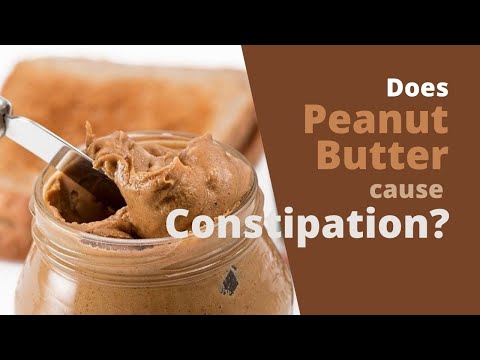
Have you ever noticed that eating peanut butter leaves you feeling a bit… blocked? You’re not alone. Many people have experienced sudden changes in digestion after munching on this creamy favorite.
Peanut butter is packed with protein, healthy fats, and vitamins. But it can also be tricky for some folks when it comes to their bathroom habits. It’s surprising how something that seems so wholesome can cause discomfort. So, what’s going on?
This article dives into the connection between peanut butter and constipation issues. We’ll explore how its ingredients might affect your digestive system and share some practical tips along the way.
It’s essential to remember that everyone’s body reacts differently to food. Just because one person has trouble doesn’t mean you will too! And hey, decisions about your health shouldn’t hinge solely on what you read here, okay? Always chat with a healthcare professional about your specific situation for the best advice.
Buckle up as we unpack this nutty topic!
Unpacking the Truth About Peanuts and Your Digestive Health
When you think about peanut butter, you might picture creamy goodness spread on toast or a delicious dip for fruits. But have you ever wondered how it affects your digestive health? Let’s dive into it.
Peanuts and Fiber
Peanuts are actually a good source of fiber. Fiber helps to move food through your intestines, which is essential for healthy digestion. So, consuming peanut butter could promote regularity to some extent. It’s like having a little helper in your gut!
The Constipation Connection
Now, can peanut butter contribute to constipation? Well, that can depend on various factors. If someone eats a lot of it without other fiber-rich foods, they might experience some digestive issues. Imagine trying to make a smoothie with only peanut butter – kind of thick, right?
- A diet lacking in fruits and veggies can lead to constipation.
- Peanut butter alone won’t provide all the necessary nutrients for good gut health.
- Your overall fluid intake matters too; drinking enough water is key.
People with Sensitivities
Some people may be sensitive to nuts or peanuts specifically. If they consume large amounts of peanut products, it could lead to discomfort or irregular bowel movements. It’s similar to eating too much ice cream – sometimes our stomachs don’t appreciate rich foods in excess.
Portion Control Matters
The thing is moderation plays a vital role. A couple of tablespoons can be fine for most folks but turning it into an all-day snack isn’t advisable. Keeping portion sizes balanced helps maintain not just digestive health but overall wellness too.
Individual Responses Vary
If you’ve noticed that you feel uncomfortable after eating peanuts or peanut butter, it’s worth paying attention! Everyone’s body reacts differently; what sits well with one person might cause issues for another.
- If you’re experiencing constipation consistently:
- Consider adjusting your diet and including more variety.
- You might want to keep track of what foods affect you the most!
Your Gut and Lifestyle Choices
Your gut health is influenced by various lifestyle choices: stress levels, sleep patterns, movement—these all play roles in how well everything runs inside us. Sometimes even the smallest changes can make a difference over time!
The Bottom Line
Peanut butter isn’t necessarily bad for digestion! But keep an eye on how much you’re consuming along with your overall dietary habits. Take note if certain foods trigger discomfort; it’s part of understanding your unique needs.
If you ever feel confused about how things are going in there (your gut), talk about it! Getting insights from friends or nutritionists can help demystify things further.
Unraveling the Truth Behind Your Favorite Spread and Your Digestive Health
Understanding Peanut Butter and Constipation
So, peanut butter is a favorite for many people. It’s creamy, tasty, and can be used in various ways. But sometimes folks wonder if it might contribute to constipation issues. Let’s break this down.
What is Constipation?
Constipation means having trouble passing stool, or bowel movements. You might feel like you can’t go, or maybe you’re going less than three times a week. This can be uncomfortable and frustrating.
The Role of Fiber
Fiber plays a huge role in digestive health. Think of it as the broom that sweeps through your intestines, helping everything move along smoothly. There are two types: soluble and insoluble fiber.
- Soluble fiber: Dissolves in water; found in oats and fruits.
- Insoluble fiber: Doesn’t dissolve; helps bulk up stool; found in whole grains and vegetables.
Pitfalls of Peanut Butter
Peanut butter does contain some fiber, but it’s not enough on its own to keep things moving along in your gut. In fact, if you eat too much peanut butter—without pairing it with other high-fiber foods—you might end up feeling a bit backed up.
The Fats Factor
This spread is rich in healthy fats, which are great for energy but can also slow digestion if consumed excessively. Too much fat without fiber might lead to slower bowel movements.
A Balance is Key
Your digestive system needs variety just like your diet does! Pairing peanut butter with fruits or whole grain bread adds both flavor and necessary fiber which helps ease any potential constipation issues.
Real-Life Example
If you enjoy a peanut butter sandwich on white bread alone, that’s less beneficial than one made with whole grain bread topped with bananas or apples too. The added fiber from those fruits will help balance the meal!
Minding Your Portions
You don’t have to ditch peanut butter entirely—it’s all about how much you consume and what else you eat alongside it.
Moderation truly works wonders here!
If You’re Experiencing Issues
If you’re noticing constipation consistently after eating certain foods like peanut butter, it may be worth keeping track of your overall diet. This way, you can see what works best for your body.
Your digestive health isn’t just about one food—it’s more of an entire symphony where each ingredient plays its part! So keep the rhythm balanced for the best results.
Unpacking the Truth About Peanut Butter and Digestive Health
Peanut butter is a popular spread for many. It’s creamy, tasty, and has a lot of fans. But can it lead to constipation issues? Let’s break it down.
The Basics of Peanut Butter
Peanut butter is made from ground peanuts. It’s rich in proteins and healthy fats. But it also contains dietary fiber. Fiber helps keeps our digestive system running smoothly.
When you eat fiber, it can help form stool and aid in regular bowel movements. So, common sense might suggest that peanut butter could actually help with digestion rather than cause problems.
Constipation Explained
Constipation happens when a person has difficulty passing stools. It can feel uncomfortable, you know? Several factors contribute to this condition including diet, hydration levels, and physical activity.
If we consider peanut butter specifically, the overall diet really matters. For instance, if someone eats a lot of peanut butter but doesn’t include other sources of fiber or drink enough water, that could lead to constipation.
The Role of Fat
Now here’s an interesting point: peanut butter is high in fat. While healthy fats are good for you in moderation, consuming too much fat without enough fiber can slow things down in the digestive tract.
- If you’re eating large amounts of peanut butter daily without balance from other foods, that might not be ideal.
- A diet lacking variety can hinder digestion too; think about fruits and veggies as important companions to your meals!
Avoiding Common Pitfalls
If peanut butter is your jam (pun intended), try pairing it with whole grain bread or slice up some bananas on top! This way you’re adding more fiber into the mix which helps maintain digestion quality.
Also—don’t forget to stay hydrated! Water plays a key role in digestion by helping dissolve nutrients and soluble fibers.
Sensitivity Matters
For some people, peanuts may actually cause digestive issues like gas or bloating due to food sensitivities or allergies. It’s always good practice to pay attention to how your body reacts after eating certain foods including peanut butter.
The Bottom Line
In moderation, peanut butter isn’t likely the culprit behind constipation for most people; it’s more about balance in the diet overall. Make sure to include plenty of fiber-rich foods alongside staying well-hydrated!
If concerns persist regarding digestive health or specific reactions after eating certain foods like peanut butter—consider discussing with someone who specializes in nutrition or health questions for personalized insights!
Peanut butter is a popular spread that many people love. It’s creamy, tasty, and can be part of a healthy diet. However, some individuals might wonder if it can contribute to constipation issues.
Constipation occurs when bowel movements become infrequent or difficult to pass. It can be uncomfortable and is often linked to diet. Peanut butter contains healthy fats and protein, but it also has fibers which vary depending on the type—smooth or crunchy. Generally, fiber helps keep the digestive system running smoothly.
Now here’s the catch: for some people, consuming large amounts of peanut butter without adequate water intake may slow down digestion. Think of it this way: if your body’s like a car engine needing oil to run well, water acts as that necessary oil for digestion.
If someone already has a low-fiber diet overall and then adds peanut butter, they might find it complicates things further. Balancing peanut butter with plenty of fruits, vegetables, and whole grains can help mitigate any potential constipation effects.
In essence, while peanut butter in moderation is unlikely to cause significant issues for most people, it’s important to listen to your body. Staying hydrated and maintaining a balanced diet support digestive health more effectively than focusing on any one food alone.
This reflection on peanut butter reinforces the idea that individual responses can vary widely based on overall dietary habits and personal health conditions.