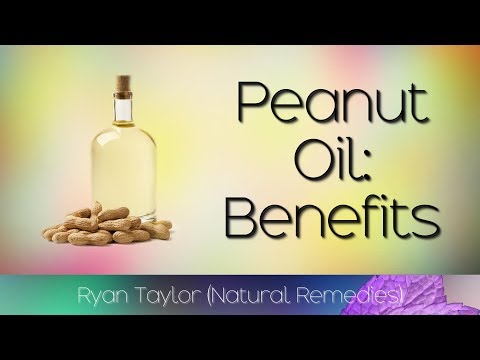
Peanut oil is a cooking oil that has gained popularity in kitchens around the world. Its mild flavor and high smoke point make it perfect for frying, sautéing, and even baking. But did you know that peanut oil offers both health benefits and potential risks? Exploring this versatile oil can uncover its many uses beyond the frying pan, making it a noteworthy addition to your culinary repertoire.
Peanut oil is rich in monounsaturated fats, which are great for heart health. It also contains vitamin E, an antioxidant crucial for skin health and immune function. In Asian cuisines, you might find it used in stir-fries or as a base for sauces. Its nutty taste enhances dishes while providing nutritional advantages.
Yet, it’s essential to consider that peanut oil can pose risks too. For those with peanut allergies, exposure can lead to serious reactions. Even if you’re not allergic, consuming too much of any oil may impact your health negatively.
Warning: Before incorporating peanut oil into your diet or lifestyle, it’s important to inform yourself thoroughly. Consult various specialists and explore multiple reliable sources of information. Knowledge is power when it comes to making healthy choices! Taking the time to understand both benefits and risks can help you use peanut oil responsibly while enjoying its many delicious applications.
The information provided in this article is intended solely for general informational and educational purposes. It does not constitute medical advice, diagnosis or professional treatment, and should not be considered a substitute for consultation with a qualified doctor or other licensed healthcare professional. Any health-related decisions should be made in consultation with accredited medical professionals.
While efforts have been made to ensure the information is accurate and up to date, no guarantees are given—either express or implied—regarding its accuracy, completeness, currency or suitability. Use of this information is at your own discretion.
It is strongly recommended to consult official sources such as the NHS (National Health Service) or other recognised medical institutions before acting on any information contained on this website or article. Under no circumstances should professional medical advice be ignored or delayed due to content read here.
This content is of a general and informational nature only. It is not intended to replace individualised guidance from a healthcare professional or to establish any doctor-patient relationship. The publication of this information does not imply any professional responsibility, guarantee or obligation on the part of the author or this site.
Discover the Versatile Uses and Benefits of Peanut Oil in Your Kitchen and Beyond
Peanut oil is a popular cooking oil that offers a range of benefits. It’s derived from peanuts, making it a plant-based option for various culinary uses. This oil has a lovely flavor and can handle high temperatures well, making it great for frying and sautéing.
Versatile Cooking Uses:
Peanut oil is often used in Asian cuisines. Think stir-fries and deep-fried dishes! Its high smoke point—around 450°F (232°C)—means it won’t break down easily during cooking.
Nutritional Benefits:
This oil contains healthy fats, particularly monounsaturated fats. These fats can be beneficial for heart health when used in moderation. Peanut oil also provides vitamin E, an antioxidant that helps protect cells from damage.
Flavor Profile:
Peanut oil has a mild, nutty flavor. This makes it an excellent choice for dressings or dips. You can even drizzle it over vegetables to enhance their taste without overpowering them.
Beyond the Kitchen:
Peanut oil isn’t just for cooking. It also finds its way into cosmetics and skincare products. Its moisturizing properties can be helpful for dry skin or as a massage oil.
Potential Risks:
While many enjoy peanut oil, those with peanut allergies should avoid it entirely. Allergic reactions can be serious, so it’s essential to be cautious if you have this allergy.
Sustainability Aspect:
If you’re thinking about the environment, consider where your peanut oil comes from. Some brands focus on sustainable farming practices which are better for the planet.
Culinary Tips:
When using peanut oil in your kitchen:
In summary, peanut oil is versatile and beneficial but must be treated with care if allergies are present. It’s always wise to make informed choices about any ingredient you include in your diet or use on your skin.
Uncovering the Hidden Drawbacks of Peanut Oil for Your Health and Cooking
Peanut oil is often praised for its high smoke point and mild flavor. It’s popular in cooking, especially in Asian cuisines. However, like anything we consume, it has its downsides. Let’s explore the hidden drawbacks of peanut oil.
First off, there are allergies. Peanut allergies are among the most common food allergies. For those sensitive to peanuts, even trace amounts of peanut oil can trigger a serious reaction. It’s crucial to be aware of this if you or anyone around you has an allergy.
Then there’s omega fatty acid balance. Peanut oil is high in omega-6 fatty acids but low in omega-3s. Omega-6s are essential but too much can lead to inflammation or other health issues. Our bodies need a balance between these fats for optimal health.
Also, consider the processing method. Most peanut oils on the market are refined. This means they go through heating and chemical processes that may strip away some nutrients and flavor. Unrefined versions retain more natural goodness but can have shorter shelf lives.
Contaminants might also be a concern. Peanut crops can absorb toxins from the soil, such as aflatoxins produced by mold during storage or production. These toxins can pose health risks if consumed over time.
Another aspect to ponder is caloric density. Peanut oil is calorie-rich, so using it liberally could contribute to weight gain if not balanced with physical activity and diet choices.
Lastly, let’s not overlook personal preferences. Some people simply don’t enjoy the taste of peanut oil compared to other oils like olive or avocado oils, which also offer unique health benefits.
In summary, while peanut oil can enhance many dishes with its flavor and cooking properties, it’s important to understand these potential drawbacks. Always consult reliable sources when making decisions about what oils to include in your diet. Awareness helps ensure you make informed choices about your health!
Exploring the Delicious Balance of Nutrition and Caution
Peanut oil is a popular cooking oil known for its unique flavor and high smoke point. It’s derived from peanuts, which are legumes, not nuts. This oil has gained attention for its potential health benefits and versatile uses in kitchens around the world.
One of the key benefits of peanut oil is its heart-healthy fats. It contains mostly monounsaturated fats, which can help lower bad cholesterol levels. Think of it like choosing a good vehicle for a long trip; you want something that doesn’t break down on the way.
Peanut oil also provides Vitamin E, a nutrient known for its antioxidant properties. Antioxidants help protect our cells from damage caused by free radicals, similar to how sunscreen protects your skin from harmful rays.
But just like with most things, moderation is crucial. Peanut oil is calorie-dense. Including too much in your diet can lead to weight gain if you’re not mindful. It’s like adding too much sugar to your coffee; it might taste good at first but can have drawbacks.
People with peanut allergies should avoid peanut oil altogether. Even refined peanut oils may contain traces of proteins that could trigger an allergic reaction. Always read labels carefully if you’re unsure.
When it comes to cooking, peanut oil shines in frying and sautéing due to its high smoke point of around 450°F (232°C). This means it can withstand high heat without burning or breaking down – excellent for those crispy stir-fries!
Another great use for peanut oil is in salad dressings or marinades. Its nutty flavor can add depth to your dishes without overwhelming other ingredients.
Here are some key points about peanut oil:
In conclusion, while peanut oil offers some nutritional perks and culinary versatility, it’s essential to use it wisely and be aware of any personal health considerations. Balancing enjoyment with caution is key when adding any ingredient to your meals!
Peanut oil is a popular cooking oil known for its high smoke point and subtle flavor. Its versatility allows it to be used in frying, sautéing, and salad dressings. Furthermore, peanut oil is rich in monounsaturated fats, which can be beneficial for heart health when used in moderation.
However, it’s important to consider the potential risks associated with peanut oil. For individuals with peanut allergies, even trace amounts can trigger severe allergic reactions. Additionally, while peanut oil provides healthy fats, consuming excessive amounts can lead to unwanted weight gain and other health issues.
When considering its benefits and risks, think of peanut oil as a tool in your kitchen. It offers taste and health advantages but requires careful handling—just like any tool. Understanding your individual health needs and preferences will help you make informed choices about whether to incorporate it into your diet.
Ultimately, balance is key. Using peanut oil occasionally as part of a diverse diet is generally safe for most individuals while providing flavor and nutritional benefits. Always consult with healthcare professionals if you have concerns related to allergies or dietary restrictions.