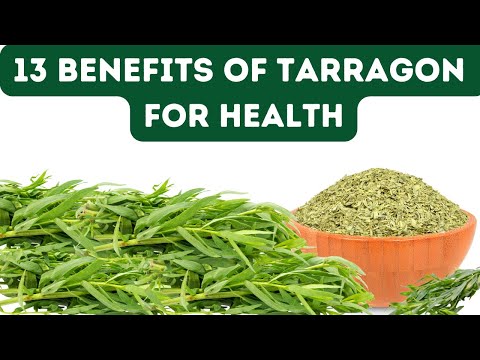
Tarragon is a fragrant herb that has been cherished in cooking and traditional medicine for centuries. Its anise-like flavor makes it a favorite in many dishes, particularly in French cuisine. Whether used fresh, dried, or as an essential oil, tarragon can elevate your meals and even inspire curiosity about its health benefits. Imagine enjoying a beautiful salad topped with tarragon vinaigrette or savoring a delicate tarragon-infused sauce over chicken.
However, while tarragon offers exciting culinary possibilities and potential health perks, it’s essential to approach it thoughtfully. Like all herbs and supplements, there can be hidden complexities. Some individuals may experience side effects or interactions with medications when consuming tarragon in significant amounts. So, before you start incorporating this delightful herb into your routine regularly, it’s vital to stay informed.
Warning: While tarragon is generally safe for culinary use in moderation, some people may have allergic reactions or digestive sensitivities to it. Pregnant or nursing women should be cautious as well since high doses of certain types of tarragon may not be safe. Always consult with healthcare providers or specialists to ensure that any dietary changes you make are appropriate for your personal health situation. It’s wise to seek information from various sources—be it expert opinions or reputable literature—to make informed decisions. Your health is important; take the time to understand how different foods impact you!
The information provided in this article is intended solely for general informational and educational purposes. It does not constitute medical advice, diagnosis or professional treatment, and should not be considered a substitute for consultation with a qualified doctor or other licensed healthcare professional. Any health-related decisions should be made in consultation with accredited medical professionals.
While efforts have been made to ensure the information is accurate and up to date, no guarantees are given—either express or implied—regarding its accuracy, completeness, currency or suitability. Use of this information is at your own discretion.
It is strongly recommended to consult official sources such as the NHS (National Health Service) or other recognised medical institutions before acting on any information contained on this website or article. Under no circumstances should professional medical advice be ignored or delayed due to content read here.
This content is of a general and informational nature only. It is not intended to replace individualised guidance from a healthcare professional or to establish any doctor-patient relationship. The publication of this information does not imply any professional responsibility, guarantee or obligation on the part of the author or this site.
Uncovering the Hidden Risks of this Flavorful Herb
Tarragon is a flavorful herb often used in cooking. It adds a unique taste to dishes, especially in French cuisine. However, while it brings joy to our meals, it’s also important to be aware of its potential risks.
Tarragon contains compounds that might not agree with everyone. One such compound is estragole. While it’s responsible for tarragon’s flavor, some studies suggest it could be harmful in large amounts.
Here are some key points to consider about tarragon:
It’s also worth noting that tarragon essential oil is much more concentrated than the herb itself. Using the oil without proper guidance can lead to toxicity.
Enjoying tarragon in meals is usually harmless for most people when used in moderation. Think of it like salt—too much can spoil the dish and potentially harm your health.
Before adding new herbs like tarragon into your diet regularly, consider your personal health situation. Keep an eye out for any unusual symptoms after consuming new foods.
In summary, while tarragon has delightful culinary uses, understanding its potential side effects ensures you can enjoy it safely. Always feel free to ask questions and stay informed about what you eat!
Exploring the Versatile Uses of Tarragon in Cooking and Beyond
Tarragon is an herb that can add a unique flavor to your meals. Its slightly sweet and anise-like taste makes it popular in French cuisine. You might find tarragon in sauces, dressings, and even with poultry or fish.
It’s not just for cooking! Tarragon has a history of being used for various purposes beyond the kitchen. Some people believe it can have digestive benefits, which is why it’s sometimes included in herbal teas.
In cooking, you can use tarragon fresh or dried. Fresh tarragon has a brighter flavor, while dried tarragon tends to be more muted. When using it in recipes, it’s best to add fresh tarragon towards the end of cooking to preserve its flavor.
Here are some popular uses:
Tarragon also has some intriguing potential side effects or interactions. For instance, people who are allergic to plants in the Aster family may want to avoid tarragon.
Caution is key! Pregnant individuals should consult their healthcare provider before using large amounts of tarragon. Although culinary use generally involves small amounts, the concentrated forms might pose risks.
Remember that while many herbs have health benefits or culinary uses, they should not replace medical treatments or professional advice. Always think critically about information you come across regarding herbs and health.
In conclusion, tarragon adds delightful flavors to your meals and carries some potential benefits worth exploring. Just do so with care and balanced knowledge!
Unlocking the Healing Secrets of a Culinary Herb
Tarragon is a culinary herb that has gained attention not only for its flavor but also for its potential health benefits. It’s an aromatic herb, often used in French cuisine, known for its slightly sweet, anise-like taste.
One of the most fascinating aspects of tarragon is how versatile it is. You can use it in salads, dressings, and sauces. It pairs beautifully with chicken and fish dishes. Adding tarragon to your cooking can enhance flavor while potentially providing some health benefits.
Tarragon has been linked to various positive effects on health. Some people believe it may help with digestion and appetite regulation. This herb contains essential oils that have been traditionally associated with soothing the stomach.
Moreover, tarragon might have antioxidant properties. Antioxidants are important because they help protect our cells from damage caused by free radicals. Think of them as tiny warriors in our body defending against harmful molecules.
However, while tarragon may offer certain benefits, it’s crucial to be aware of possible side effects too. Some individuals might experience allergic reactions or gastrointestinal upset after consuming this herb.
Additionally, pregnant women should approach tarragon with caution. While culinary amounts are generally considered safe, high concentrations could potentially lead to complications during pregnancy.
Here are some key points to consider when using tarragon:
Incorporating tarragon into your meals can be delightful and rewarding. Just remember that moderation is key! Always think critically about any herb or supplement you choose to add to your diet.
As with any change in diet or lifestyle, consider discussing it with a healthcare provider if you have specific health concerns or conditions. Understanding herbs like tarragon can empower you to make informed choices about your nutritional habits without relying solely on supplements or medications for wellness.
Tarragon is a herb that stands out not only for its culinary versatility but also for its potential health benefits. Commonly used in French cuisine, tarragon’s distinct anise-like flavor makes it popular in sauces, dressings, and marinades. Its use extends beyond the kitchen; some traditional medicine practices have highlighted tarragon for its digestive properties and anti-inflammatory effects.
However, it’s essential to consider the potential side effects of tarragon. While generally safe in culinary amounts, excessive consumption can lead to gastrointestinal upset or allergic reactions in some individuals. Additionally, pregnant women are advised to avoid medicinal quantities of tarragon due to its uterine-stimulating properties.
Understanding both the benefits and risks associated with tarragon encourages a balanced approach to its use. When included mindfully within a varied diet, tarragon can enhance flavor while offering some health perks. Yet, staying informed about possible side effects fosters responsible consumption and overall well-being. As with any herb or supplement, moderation is key and consulting with healthcare providers is advisable if there are underlying health concerns or conditions.