The information provided in this article is intended solely for general informational and educational purposes. It does not constitute medical advice, diagnosis or professional treatment, and should not be considered a substitute for consultation with a qualified doctor or other licensed healthcare professional. Any health-related decisions should be made in consultation with accredited medical professionals.
While efforts have been made to ensure the information is accurate and up to date, no guarantees are given—either express or implied—regarding its accuracy, completeness, currency or suitability. Use of this information is at your own discretion.
It is strongly recommended to consult official sources such as the NHS (National Health Service) or other recognised medical institutions before acting on any information contained on this website or article. Under no circumstances should professional medical advice be ignored or delayed due to content read here.
This content is of a general and informational nature only. It is not intended to replace individualised guidance from a healthcare professional or to establish any doctor-patient relationship. The publication of this information does not imply any professional responsibility, guarantee or obligation on the part of the author or this site.
Hey, have you ever looked in the mirror and noticed your gums seem to be getting a bit lower? It’s more common than you think. Receding gums can affect anyone, and they might even cause some discomfort or sensitivity. Sometimes, we just want to know—can they really grow back?
In this article, we’re diving into the intriguing world of receding gums and oil pulling. That ancient practice involves swishing oil in your mouth, and many people swear by its benefits. But does it really help with gum health?
We’ll explore what causes gums to recede and if there’s hope for regrowth. You know, it’s vital to understand our oral health better because it’s connected to so many other aspects of our well-being.
And just a friendly reminder—this isn’t medical advice. Always consult your healthcare professional before making any health decisions. Let’s unravel this together!
A Journey from Pain to Confidence: Restoring My Smile Naturally
Many people face issues with receding gums, which can feel discouraging. But let’s break down this topic in a straightforward way and figure out what options are out there.
What Are Receding Gums?
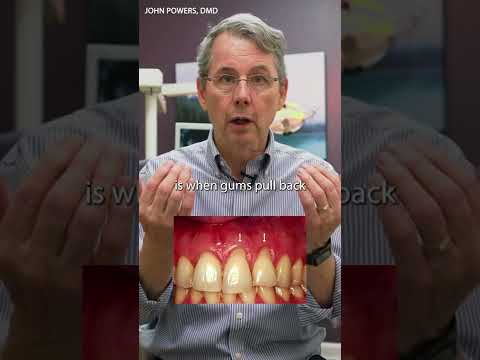
So, you might wonder, what does it mean to have receding gums? Basically, it’s when your gum tissue pulls back from your teeth. This exposes more of the tooth or the root, leading to sensitivity and sometimes even pain.
Can Gums Regrow?
This is a common question that many people ask. Unfortunately, once gum tissue is lost, it doesn’t simply grow back like skin would. But don’t lose hope just yet! There are ways to improve gum health and protect what you have.
The Role of Oil Pulling
You may have heard about oil pulling as a natural remedy. Essentially, it’s swishing oil in your mouth—often coconut or sesame oil—for about 15-20 minutes. The idea is that it helps reduce plaque buildup and fight bacteria.
Benefits of Oil Pulling
- It can potentially reduce bad breath.
- Might help strengthen gums by keeping bacteria in check.
- Some users report improved overall oral hygiene.’
That said, while some people swear by it for better gum health, not every study backs these claims fully. It shouldn’t replace regular brushing or flossing though!
The Importance of Good Oral Hygiene
The foundation for healthy gums starts with good oral hygiene habits. Brushing your teeth twice daily and flossing regularly helps keep plaque away and protects your gums.
A Regular Dentist Visit
- A dentist can spot problems early before they become severe.
- They might offer treatments like deep cleanings for advanced cases.
- Your dentist can answer any specific questions you have regarding your mouth health!
If you’re thinking about incorporating oil pulling into your routine, just make sure to keep up with these habits too! It’s all about balance—treating both the symptoms and managing the underlying causes together.
Coping with Confidence Loss
Losing confidence because of dental issues is something many relate to. It’s totally okay to feel that way; a smile is such an important part of who we are! Finding ways to restore confidence often involves small steps rather than big leaps.
You might consider speaking openly about how you feel or even joining community groups exploring similar issues. Sharing experiences really helps lighten the emotional load!
The Bigger Picture: Holistic Approaches
Naturally restoring your smile isn’t just about physical changes; it’s also mental and emotional well-being that’s important too! Practices such as meditation or yoga can help ease stress related to dental issues, allowing you to approach them with clarity instead of dread.
In all honesty though, don’t hesitate asking professionals for support—sometimes guidance makes all the difference on this journey towards feeling good again!
Discover the Top Oils to Revitalize Your Gums and Enhance Your Oral Health
Understanding Receding Gums
Receding gums happen when the gum tissue pulls back from the teeth. It can expose the roots, which may lead to sensitivity and more serious problems. Many people wonder if gums can grow back after receding. The short answer is not really, at least not on their own. However, good oral hygiene can help prevent further recession and improve overall gum health.
The Role of Oils in Oral Health
Oils like coconut oil, tea tree oil, and olive oil have gained some popularity for improving oral health. They’re often used in a practice known as oil pulling. This involves swishing oil around in your mouth for a few minutes.
Some folks believe that this can help with plaque removal and reduce bacteria levels in the mouth. It might sound a bit strange at first, but think of it like washing your hands—using oils instead of soap to clean your mouth! There isn’t tons of scientific data supporting every claim about these oils yet, but many people feel they notice a difference.
Coconut Oil: A Popular Choice
Coconut oil contains lauric acid, which has antimicrobial properties. This means it could potentially help fight harmful bacteria in your mouth. Some studies suggest that coconut oil may reduce plaque buildup and improve gum health.
Tea Tree Oil: Caution Required
Tea tree oil is known for its antiseptic qualities, so it’s sometimes used in toothpaste or mouthwash products. However, it’s crucial to use it carefully; it’s potent and should never be used undiluted as it can irritate your gums or cheeks.
Olive Oil: A Gentle Option
Olive oil has anti-inflammatory properties too, making it beneficial for soothing inflamed gums. It’s also packed with antioxidants which are good for healing processes in the body.
The Impact of Oral Hygiene
No matter what oils you consider adding into your routine, remember that maintaining good oral hygiene is essential too! Regular brushing and flossing are foundational practices you shouldn’t skip out on.
- Brush twice a day using gentle strokes.
- Floss daily to remove debris between teeth where brushes can’t reach.
- Visit your dentist regularly for check-ups and cleaning sessions.
A Balanced Approach to Gum Health
If you’re curious about using oils for oral health—it’s worth discussing with someone knowledgeable about dental care or holistic treatments first! Integrating them into proper hygiene routines might just give you that extra boost you’re looking for without causing unnecessary irritation or harm.
In the end, while oils could be part of an overall healthy routine, don’t forget: there’s no magic solution out there when it comes to gum health—just consistent care over time!
Discover the Journey to a Healthier Smile and Renewed Confidence
Understanding Receding Gums
Receding gums happen when the gum tissue pulls back from the teeth, exposing more of the tooth or even its root. It’s pretty common and can be caused by several factors like gum disease, brushing too hard, or even genetics. When gums recede, it can lead to sensitivity and an increased risk of cavities.
Can Receding Gums Regrow?
The thing is, once your gums start to recede, they don’t really grow back on their own. This doesn’t mean that there isn’t hope. A good dental routine can help manage the situation. Regular cleanings and proper oral hygiene are key here.
Some people consider surgical options if the recession is severe. But that’s usually discussed with a dentist based on individual cases.
Oil Pulling: What’s the Deal?
Now let’s talk about oil pulling. It’s an ancient practice that involves swishing oil—often coconut or sesame—in your mouth for about 15-20 minutes. The idea is that it helps remove harmful bacteria and may improve oral health.
- Skeptics often say there isn’t enough scientific evidence to fully back up these claims.
- However, some folks report feeling fresher breath and less plaque buildup after trying it.
This leads us to an interesting point: oil pulling could potentially be part of a broader oral care routine, but it shouldn’t replace traditional methods like brushing and flossing.
The Psychological Effect of a Healthy Smile
A healthy smile is not just about teeth; it also affects how we feel about ourselves. When people have a confident smile, they tend to feel more self-assured overall. If you notice your gums receding and it bothers you, talk to someone—a friend or dental professional—about what steps you might take.
Your Path Forward
If you’ve been dealing with receding gums or just want to boost your oral health in general, consider these steps:
- Maintain regular check-ups with your dentist.
- Brush gently with a soft-bristled toothbrush.
- You might explore complementary practices like oil pulling but remember it’s not a replacement for standard care.
The goal is finding balance in your approach to oral health while understanding what works personally for you—every mouth is unique! Stay informed and proactive; both are essential for keeping both your smile bright and your confidence high!
Gum recession is a common dental issue that many people face. It happens when the gum tissue pulls back from the teeth, exposing more of the tooth or the tooth’s root. This can lead to increased sensitivity and a higher risk of cavities.
There’s been discussion about whether receding gums can actually regrow. The thing is, once gum tissue has receded, it doesn’t typically grow back on its own. However, some treatment options can help manage the condition, such as good oral hygiene practices, and in some cases, gum grafting.
Now let’s talk about oil pulling. This ancient practice involves swishing oil—often coconut or sesame—around in your mouth for about 15-20 minutes. Some proponents claim it helps with oral health by reducing bacteria and promoting healthier gums.
Research on oil pulling is still limited, though some studies suggest it might reduce plaque and gingivitis symptoms. It’s important to note that while it may be beneficial as an adjunct to traditional oral care methods like brushing and flossing, relying solely on oil pulling isn’t enough for serious issues like receding gums.
People should approach this practice cautiously. It shouldn’t replace standard treatments prescribed by dental professionals; rather, think of it as a potential complementary option in your routine.
In conclusion, while receding gums don’t typically regrow naturally, maintaining good oral hygiene along with possible treatments can help manage the problem. And though oil pulling has some perks worth considering, it’s best used alongside regular dental care routines.