The information provided in this article is intended solely for general informational and educational purposes. It does not constitute medical advice, diagnosis or professional treatment, and should not be considered a substitute for consultation with a qualified doctor or other licensed healthcare professional. Any health-related decisions should be made in consultation with accredited medical professionals.
While efforts have been made to ensure the information is accurate and up to date, no guarantees are given—either express or implied—regarding its accuracy, completeness, currency or suitability. Use of this information is at your own discretion.
It is strongly recommended to consult official sources such as the NHS (National Health Service) or other recognised medical institutions before acting on any information contained on this website or article. Under no circumstances should professional medical advice be ignored or delayed due to content read here.
This content is of a general and informational nature only. It is not intended to replace individualised guidance from a healthcare professional or to establish any doctor-patient relationship. The publication of this information does not imply any professional responsibility, guarantee or obligation on the part of the author or this site.
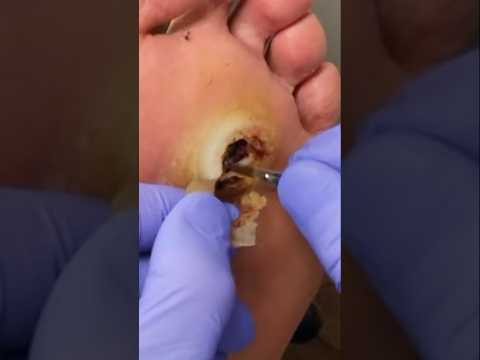
Have you ever noticed a sore on your foot that just won’t heal? If you or someone close to you has diabetes, this could be a serious issue. Diabetic ulcers are more than just annoying; they can lead to complications if not taken seriously. It’s surprisingly common—almost 15% of people with diabetes will experience some kind of foot ulcer at some point in their lives.
This article is here to guide you through caring for diabetic ulcers effectively. We’ll cover essential tips and practical strategies that can make a real difference. Understanding how to manage these wounds can help prevent complications and improve quality of life.
You might be wondering why this matters. Well, taking action early can mean the difference between healing at home and needing serious medical intervention. So, being informed is key! Remember though, the advice here doesn’t replace professional medical guidance. Always consult a healthcare professional for personalized care and treatment options.
Simple Strategies to Keep Your Feet Healthy and Pain-Free
Understanding Foot Health
Hey, let’s talk about something that might not get enough attention: our feet. They carry us everywhere, right? Keeping them healthy is super important, especially for people with diabetes. You know, even a small cut can turn into a big problem if it’s not taken care of properly.
Why Are Feet Particularly Important for Diabetics?
Diabetes can lead to nerve damage and poor blood flow. This means you might not feel an injury right away. Imagine walking around with a pebble in your shoe and not realizing it until it causes pain! That’s kind of how it works.
Daily Check-Ups
A simple strategy is to check your feet daily. Look for cuts, blisters, or any signs of infection. Even a tiny scratch can get worse if ignored. Make this a habit—just like brushing your teeth!
Keeping Feet Clean and Dry
You want to wash your feet every day with mild soap and warm water. Rinse well, then dry them completely—especially between the toes where moisture can hide out.
- Avoid soaking your feet for long periods as it can lead to dryness.
- If you have rough skin, use a pumice stone gently to keep calluses at bay.
Socks and Shoes Matter
Investing in the right footwear is crucial. Your shoes should fit well—not too tight or too loose—and have good support. Think of shoes like the foundation of a house; if they’re off, everything else could crumble!
- Select breathable materials like cotton socks.
- Change socks daily to keep moisture levels down.
Nail Care Tips
Trim your toenails straight across to avoid ingrown nails—ouch! If you’re unsure how to do this safely, ask someone you trust or see someone who does know what they’re doing.
Moisturize but Avoid Between the Toes!
You might think moisturizing is just for dry skin—but hey—it helps maintain skin health! Just remember: apply lotion on the tops and soles but steer clear from between the toes where moisture can build up.
Sugar Control is Key
Keeeping blood sugar levels in check benefits overall health including foot health! A balanced diet full of vegetables, whole grains, and lean proteins goes a long way—every meal counts!
When to Seek Help
If you notice something unusual—a wound that won’t heal or redness that doesn’t go away—it’s time to reach out for professional advice. Early intervention is better than waiting until it’s serious! You’d be surprised how fast small issues can escalate without proper care.
The Bottom Line
Your feet deserve some love and attention! By taking simple steps every day—checking them regularly, choosing proper footwear, and keeping an eye on diabetes—you’ll be setting up yourself for long-term foot health. It’s really about making prevention part of your routine rather than waiting until problems pop up.
Stay proactive; your feet will thank you!
Simple Steps to Promote Healing and Comfort in Your Own Space
Creating a Healing Environment for Diabetic Ulcers
Caring for diabetic ulcers can feel overwhelming at times. It’s about more than just medical treatment; your surrounding space plays a big role too. A comfy, clean environment can boost healing. Let’s look at some simple steps you can take.
Keep it Clean
First off, cleanliness is key. When you have an ulcer, it’s crucial to prevent infection. Make sure your living area is tidy and free from dirt or germs. Regularly disinfect surfaces, especially where you might place bandages or other medical supplies.
Comfortable Space
Your comfort matters too. Think about where you spend most of your time while healing. A cozy chair with good support or a soft place to rest may help you feel less stressed and more relaxed.
Proper Lighting
The right lighting can make a big difference as well. Natural light is ideal, but if that’s not possible, consider soft artificial lights that don’t strain your eyes. Good lighting helps in checking the ulcer without feeling discomfort.
Avoid Tight Clothing
Wearing loose-fitting clothes can be really beneficial too. Tight clothes could rub against the ulcer and make things worse! Opt for breathable fabrics that keep your skin intact and allow air circulation.
Nourishment Matters
Your diet affects how well your body heals, so focus on nutritious meals. Foods rich in vitamins like fruits and vegetables support the healing process—think of them as fuel for recovery!
Stay Hydrated
Don’t forget to drink enough water each day. Staying hydrated is super important! It keeps your skin healthy and helps transport nutrients throughout your body.
Mental Comfort
Mental health also influences physical healing. Stress management techniques like mindfulness or deep breathing exercises can promote relaxation and help manage pain levels.
Avoiding Laying in One Position
If possible, try not to stay in one position for too long—this includes sitting or lying down! Move around gently to improve blood flow which is good for overall healing.
Caution with Footwear
If the ulcer is on your foot, footwear choice becomes even more crucial. Soft shoes with a wide toe box provide cushioning while reducing pressure on the affected area.
Regular Check-ups
This might sound obvious but keeping up with medical appointments is essential! Regular visits ensure that any issues are caught early before they become bigger problems.
- Main Takeaway: Your space has a direct impact on how comfortably you heal from diabetic ulcers.
- No Guarantees: Just remember that these tips support good care; they aren’t replacements for professional treatment plans!
A Step-by-Step Guide to Promoting Healing and Comfort
Caring for Diabetic Ulcers: Promoting Healing and Comfort
So, diabetic ulcers can be tricky. They often develop on the feet or legs, mainly due to poor circulation and nerve damage caused by diabetes. But don’t worry! There are steps you can take to help promote healing and comfort.
Understand the Ulcer
First things first, it’s key to understand what you’re dealing with. A diabetic ulcer is essentially a sore that forms when blood sugar levels are too high for too long. It’s important to keep an eye on these spots, as they can become infected if not cared for properly.
Regular Cleaning
Cleaning the ulcer is crucial. Use mild soap and warm water daily. Gently pat it dry with a clean towel afterward. You want to avoid using anything harsh that could irritate the skin further.
Dressing Changes
Next, let’s talk about dressings. Keeping the ulcer covered helps protect it from dirt and bacteria. Change the dressing regularly—at least once a day or whenever it gets wet or dirty. Look for breathable dressings that allow moisture control.
Control Blood Sugar Levels
This step might seem obvious but managing blood sugar is super important. High levels can slow down healing significantly. Regular monitoring helps catch any spikes early so adjustments can be made.
Nourishment Matters
You know how they say “you are what you eat”? Well, that’s pretty true! Eating a balanced diet rich in vitamins and minerals aids healing. Focus on lean proteins, fruits, vegetables, and whole grains.
- Vitamin C supports collagen formation which is vital for skin health.
- Zinc promotes wound healing too!
- Avoid foods high in sugar which can elevate blood glucose levels.
Podiatrist Visits
If you’ve got diabetes, seeing a podiatrist regularly is a good idea—those foot specialists know their stuff! They can provide tailored advice based on your specific situation and help spot potential issues before they get worse.
Avoid Pressure Points
You might not think about it much but pressure on an ulcer can delay healing. Try wearing comfortable shoes that fit well to reduce friction around the area of concern.
Switching positions frequently also helps relieve pressure points on your feet.
Be Aware of Warning Signs
While caring for an ulcer at home is important, knowing when to seek help is just as vital; watch out for increasing redness, swelling or drainage from the ulcer—these could signal infection!
- If something feels off or doesn’t improve as expected after some time, don’t hesitate to reach out for professional advice.
- Your health journey isn’t something you have to navigate alone!
The bottom line?
Caring for diabetic ulcers involves regular cleaning, dressing changesg , controlling blood sugar levels…and other steps we’ve talked about! This holistic approach might make all the difference in promoting healing and comfort over time.
Caring for diabetic ulcers requires attention and precision. You know, these wounds can develop due to poor circulation and nerve damage, which makes them tricky to treat. The goal is to promote healing while preventing complications.
First, proper wound care is essential. This means cleaning the ulcer gently with saline or mild soap. It’s important to keep the area moist with suitable dressings, as this can speed up healing. Using specialized dressings can help protect the wound from infection
Next, managing blood sugar levels plays a crucial role. High glucose levels can slow down healing and increase infection risk. Regular monitoring and adjustments in diet or medications are vital in keeping those levels in check.
Another factor is offloading pressure from the ulcerated area. This could involve using special shoes or pads to reduce strain on the wound. Sometimes even crutches might be necessary for a short time.
Don’t overlook nutrition either! A balanced diet rich in vitamins and minerals supports overall skin health and helps recovery.
Lastly, regular follow-ups with healthcare professionals are key for ongoing assessment and adjustment of the treatment plan. Remember: it’s not just about immediate care; it’s about long-term health.