The information provided in this article is intended solely for general informational and educational purposes. It does not constitute medical advice, diagnosis or professional treatment, and should not be considered a substitute for consultation with a qualified doctor or other licensed healthcare professional. Any health-related decisions should be made in consultation with accredited medical professionals.
While efforts have been made to ensure the information is accurate and up to date, no guarantees are given—either express or implied—regarding its accuracy, completeness, currency or suitability. Use of this information is at your own discretion.
It is strongly recommended to consult official sources such as the NHS (National Health Service) or other recognised medical institutions before acting on any information contained on this website or article. Under no circumstances should professional medical advice be ignored or delayed due to content read here.
This content is of a general and informational nature only. It is not intended to replace individualised guidance from a healthcare professional or to establish any doctor-patient relationship. The publication of this information does not imply any professional responsibility, guarantee or obligation on the part of the author or this site.
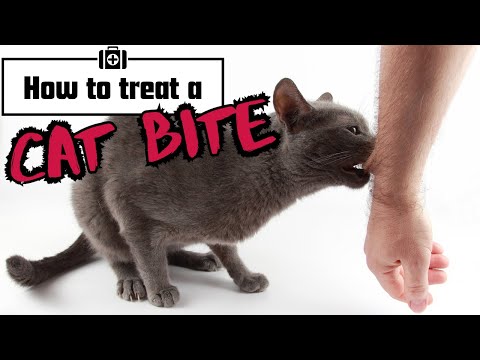
Have you ever been nibbled by your cat during playtime? It happens more often than you’d think! Cat bites and scratches can seem like a small thing, but they deserve some attention.
Believe it or not, cat bites can lead to serious infections. Cats’ mouths carry bacteria that can easily enter through broken skin. This isn’t just a scratch on the surface; it’s something we need to talk about!
This article will guide you through essential treatment tips for those pesky bites and scratches. You’ll learn how to clean wounds properly, recognize signs of infection, and what steps to take if things don’t look right.
Your health matters. While this information is helpful, remember it doesn’t replace medical advice. Always consult with a healthcare professional for personalized guidance. Knowledge is power, and being prepared can make all the difference in keeping you—and your furry friend—healthy.
Essential Antibiotic Advice for Treating Cat Bite Infections
Understanding Cat Bite Infections
Cat bites can lead to infections. This is because cats have bacteria in their mouths that can enter through even a tiny puncture. You know, unlike a scratch, a bite can push those germs deeper into the skin. So, it’s really important to take cat bites seriously.
Why Are Cat Bites Risky?
The risk mainly comes from two factors: the depth of the wound and the type of bacteria present. When a cat bites, it often punctures the skin quite deeply, which allows bacteria to flourish. Common culprits in these infections include Bartonella, Pasteurella multocida, and others.
Recognizing Symptoms
If you’ve been bitten, watch for signs like redness, swelling, warmth around the wound, or even pus coming out. Sometimes you might also feel feverish or experience chills. If you notice any of these symptoms—especially if they get worse—consider reaching out for medical advice.
Caring for Cat Bites at Home
Treating a cat bite starts with immediate care. Rinse the wound gently under running water for several minutes to cleanse it well. You want to remove any dirt or saliva—keeping it as clean as possible helps lower infection risks.
- Use soap around but not directly in the wound.
- If bleeding occurs, apply gentle pressure with a clean cloth.
- Once cleaned, cover it with a sterile bandage.
When to Seek Help?
If you find that your bite doesn’t stop bleeding or seems very deep, it’s wise to see someone who can help more professionally. Additionally, if symptoms like redness and swelling show up later on—don’t hesitate!
The Role of Antibiotics
You might be thinking about antibiotics if an infection is suspected or already present. Doctors often prescribe them for animal bites because they help fight those nasty bacteria effectively.
- A common choice is amoxicillin-clavulanate (think of it as “Amox-Clav”), which targets various types of bacteria commonly found in cat bites.
- It’s crucial not to self-prescribe antibiotics; using them incorrectly can lead to resistance and other issues down the line.
Myths About Antibiotics
Sometimes people think antibiotics are always necessary for all animal bites—that’s not entirely true! Many minor wounds heal without them if properly cared for at first. It’s all about assessing how severe things are.
Preventing Future Bites
Cats may bite for various reasons—fear, pain or even playfulness gone wrong! To reduce chances of getting bitten again:
- Avoid putting your hand near their face when they seem agitated.
- You might want to socialize with cats at your own pace so they feel comfortable around you!
The Bottom Line
Caring for cat bites involves cleaning them properly and monitoring for signs of infection. While antibiotics play a role sometimes—as prescribed by professionals—they’re not always necessary right away unless there are clear warnings signifying trouble ahead! The best strategy? Stay calm and focus on prevention while taking action when needed!
Simple Solutions for Soothing Pain and Promoting Healing
Understanding Cat Bites and Scratches
Cat bites and scratches are pretty common, especially if you have a playful feline at home. These injuries can range from minor to more serious. The thing is, cats use their teeth and claws for a lot of different things, like hunting or even just playing.
When they bite or scratch you, it might seem small at first. But it’s important to take proper care of those wounds right away. This not only helps with healing but also reduces the risk of infection.
Initial Care Steps
If you get scratched or bitten by a cat, the first thing to do is wash the wound carefully with warm water and soap. Use your hands gently to clean around the area; don’t scrub too hard. Rinsing it thoroughly is key.
After cleaning, pat it dry with a clean towel or let it air dry. Bandaging may be necessary, especially if it’s bleeding or looks deeper than just a surface wound.
- Apply an antiseptic: You can use over-the-counter antiseptics to help prevent infection.
- Avoid covering too tightly: If you cover it with a bandage, make sure it’s not too tight—it needs air!
- Moisture matters: Keeping the area somewhat moist can support healing; just don’t soak it!
Watch for Signs of Infection
This part’s important—keep an eye on that scratch or bite for signs of infection. If you notice redness surrounding the wound, increased swelling, warmth, pus discharge, or if it’s hurting more than expected then maybe consult someone who knows about this stuff.
If fever sets in? Or if there’s pain that’s not going away? Those could be red flags that need attention.
Pain Relief Options
If you’re feeling discomfort after getting bitten or scratched, there are simple ways to soothe that pain at home. Something as basic as over-the-counter pain relievers like ibuprofen or acetaminophen often help. Just follow those dosing instructions on the label.
Nurturing Your Skin
Your skin’s an amazing barrier against germs! Supporting its healing becomes really crucial when dealing with pet injuries. Applying aloe vera gel can bring some cooling relief and moisture to the skin.
The Healing Power of Rest
Your body does its best work while resting! Taking time off from activities that might irritate the wounded area can speed along your recovery process too.
A Few Words on Future Prevention
Cats sometimes scratch and bite in playfulness but also when they’re scared or stressed out. Try providing them safe spaces while encouraging gentle playtime —that way everyone stays happy and healthy!
- Mental stimulation: Toys keep them busy!
- Avoid rough play: It makes them think biting is okay!
Caring for cat bites and scratches shouldn’t feel overwhelming—it’s all about taking those simple steps in your day-to-day life! Trust your instincts on how things feel as they heal up.
When a Little Nibble Becomes a Big Concern
Caring for Cat Bites and Scratches: Essential Treatment Tips
Hey, let’s chat about cat bites and scratches. You know, our furry friends sometimes get a little too playful or defensive. While most nibbles seem harmless, they can lead to bigger issues if we’re not careful.
Understanding the Risks
First off, cat bites can transmit bacteria. The mouth of a cat isn’t exactly clean—it’s filled with bacteria that can enter your body through broken skin. That’s why even small wounds might need attention.
Look, scratches are slightly different but still concerning. If a cat has sharp claws and scratches you deeply, it can introduce germs as well. Plus, if you’re not up to date on your tetanus vaccine, that could be something to think about.
Immediate Steps After a Bite or Scratch
- Wash the Wound: The first thing you should do is wash the area with soap and warm water. Really scrub it gently for at least 5 minutes.
- Disinfect: After washing, use an antiseptic like hydrogen peroxide or rubbing alcohol to help kill any lingering germs.
- Stop the Bleeding: If it’s bleeding a lot, apply pressure with a clean cloth until it stems.
- Cover It Up: Once cleaned and dried, cover the wound with a sterile bandage to keep it protected from dirt.
When to Seek Help
You might wonder when it’s time to see someone else about it. If you notice swelling, redness spreading from the wound site, or if it starts oozing pus—those are signs that you should probably check in with a medical professional.
If you’ve been bitten or scratched by a cat that seems sick or if they were acting oddly before the incident—definitely get professional advice soon. It might sound scary but these situations happen more than you think!
Tetanus and Rabies Concerns
This is an important one: make sure your tetanus vaccination is up to date after any puncture or deep scratch. Tetanus can be serious if left untreated; however, it’s usually preventable through vaccines.
If there’s any chance that the bite involved an unknown animal or one that isn’t vaccinated against rabies—like a stray—you need immediate help because rabies is very serious and often fatal without treatment.
Caring for Yourself After Treatment
- Monitor the Wound:Your job isn’t over yet! Keep an eye on how it’s healing over several days for any changes in color or swelling.
- Pain Management:If it’s painful after cleaning but not majorly severe—over-the-counter pain relievers could help ease discomfort.
No one wants complications from something as simple as playtime gone wrong! Look out for yourself and remember those nibbles can turn into bigger concerns very quickly if we don’t pay attention early on.
Caring for Cat Bites and Scratches: Essential Treatment Tips
Cat bites and scratches can happen unexpectedly, often during play or when a cat feels threatened. It’s important to treat these injuries properly to avoid complications.
The first step is cleaning the wound. You know that phrase “cleanliness is next to godliness”? Well, here, it’s vital. Rinse the area with mild soap and water for at least five minutes. This helps remove dirt and bacteria that could cause infection.
Now, let’s talk about disinfection. After cleansing, pat the area dry gently with a clean cloth or paper towel. apply an antiseptic solution or ointment—this creates a barrier against germs.
For minor scratches, you can cover them with a bandage if needed. But what about deeper bites? These could be more serious and may require medical attention. If a bite punctures the skin deeply or doesn’t stop bleeding after 10 minutes of applying pressure, it’s wise to see a healthcare professional.
Also, keep an eye out for signs of infection like redness, swelling, increased pain, or pus discharge from the wound. If any of these occur several days after your initial care, reaching out for help is key.
Finally—here’s something most people don’t think about—tetanus vaccinations are important too! If your tetanus shot isn’t up-to-date and the injury looks concerning, get it checked out.
Caring for cat bites and scratches might feel daunting at first but remember: prompt treatment can prevent complications down the line!