The information provided in this article is intended solely for general informational and educational purposes. It does not constitute medical advice, diagnosis or professional treatment, and should not be considered a substitute for consultation with a qualified doctor or other licensed healthcare professional. Any health-related decisions should be made in consultation with accredited medical professionals.
While efforts have been made to ensure the information is accurate and up to date, no guarantees are given—either express or implied—regarding its accuracy, completeness, currency or suitability. Use of this information is at your own discretion.
It is strongly recommended to consult official sources such as the NHS (National Health Service) or other recognised medical institutions before acting on any information contained on this website or article. Under no circumstances should professional medical advice be ignored or delayed due to content read here.
This content is of a general and informational nature only. It is not intended to replace individualised guidance from a healthcare professional or to establish any doctor-patient relationship. The publication of this information does not imply any professional responsibility, guarantee or obligation on the part of the author or this site.
Ever come back from a hike and thought, “What’s that little bump on my leg?” Well, it could be a tick! Believe it or not, these tiny creatures can cause serious health issues. In fact, some ticks carry diseases like Lyme disease and Rocky Mountain spotted fever.
Understanding how to deal with tick bites is super important. The last thing you want is to overlook something that could lead to bigger problems down the road. In this article, we’ll chat about essential care for tick bites—what to do if you find one, how to remove it safely, and ways to prevent them in the first place.
It’s all about keeping you healthy while enjoying the great outdoors! Remember, though: this content isn’t a substitute for medical advice. It’s always best to check in with a healthcare professional for personal guidance.
Let’s dive in and make sure you’re well-prepared next time those pesky ticks come knocking!
Simple Solutions to Soothe and Heal Tick Bites at Home
Understanding Tick Bites
Tick bites can be a real nuisance. These tiny creatures latch onto your skin and feast on your blood. But don’t worry; most tick bites are harmless. However, it’s essential to know how to handle them properly.
First Steps After a Tick Bite
If you find a tick on you, the first step is removing it carefully. Use fine-tipped tweezers to grasp the tick as close to your skin as possible and pull upward steadily. Avoid twisting or jerking, which could cause parts of the tick to break off and stay in your skin.
Cleaning the Area
Once you’ve removed the tick, clean the bite area with soap and water or alcohol wipes. This helps prevent any potential infection.
Soothe Itchiness and Swelling
- Applying a cool compress can help reduce swelling and soothe itchiness.
- An over-the-counter hydrocortisone cream might ease discomfort too.
- If you’re feeling particularly itchy, an antihistamine can help relieve that sensation.
Easing Pain
If there’s pain at the site, using acetaminophen or ibuprofen can alleviate it. Remember that everyone’s body reacts differently; what works for one person may not work for another.
Keeping an Eye Out for Symptoms
After a tick bite, monitoring for any unusual symptoms is important. Look out for rash, fever, or flu-like symptoms developing in the next few weeks. If you notice anything like that—especially if it’s getting worse—it’s best to talk with someone who can help further.
Keeing Your Surroundings Tick-Free
Prevention is key! To keep ticks away from your space:
- Mow your lawn regularly.
- Create a barrier of wood chips or gravel between wooded areas and recreational spaces.
- Avoid walking through tall grasses without protective clothing—protection goes a long way!
Your Clothing Matters
Wearing light-colored clothing makes it easier to spot ticks before they attach themselves to your skin. Tucking pants into socks when hiking also creates an extra layer of defense against these critters.
The Importance of Insect Repellent
Using insect repellent is another good practice when spending time outdoors in tick-populated areas. Look for products containing DEET, picaridin or oil of lemon eucalyptus—they generally provide solid protection against ticks.
Remember to always follow product instructions correctly!
A Final Word on Tick Bites
Additionlly, while most ticks do not carry disease, some can transmit Lyme disease and other infections if left untreated. So just being cautious is sensible! Always trust your instinct; if something feels off after a bite please seek advice from someone qualified like healthcare professionals!
Everything You Need to Know About Identifying Tick Bites Through Visuals
Understanding Tick Bites
Tick bites can be tricky to spot sometimes, but knowing what to look for makes a big difference. These little pests cling onto your skin, often going unnoticed until they’re fully embedded. You might find them in grassy or wooded areas, so it’s good to be aware when you’re out in nature.
What Does a Tick Bite Look Like?
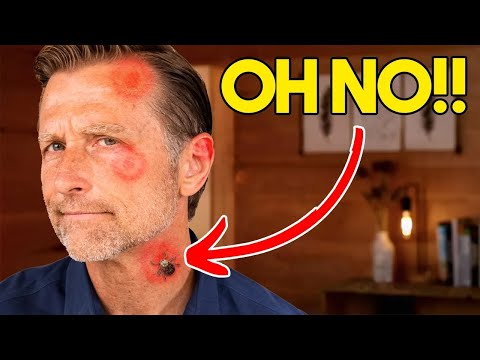
A tick bite can resemble the bite of other insects, but there are some specific signs to look for. You may notice a small red bump where the tick has fed. Sometimes there’s a slightly raised rash that might swell around the bite area.
Ticks come in different types, and some can transmit diseases. The black-legged tick carries Lyme disease and looks different from a dog tick or lone star tick. Each type has distinct coloration and size, making visual identification important.
Identifying Ticks on Your Body
If you suspect you’ve been bitten by one of these guys, take a few moments to check your body—especially behind your ears, under your arms, and even between your toes! Ticks can be as small as a poppy seed or as large as a pencil eraser when they’re filled with blood.
Treatment for Tick Bites
If you find a tick on yourself, it’s essential to remove it carefully with tweezers—grabbing as close to the skin’s surface as possible. Pull straight out without twisting; this helps reduce the risk of leaving parts embedded in your skin.
After removal, wash the area thoroughly with soap and water or an antiseptic wipe. Keep an eye on the site over the next few days for any unusual changes like rashes or flu-like symptoms—those might indicate it would be wise to seek professional advice.
Preventing Tick Bites
The best way to deal with ticks is really prevention! When venturing outside, wear light-colored clothing so ticks are easier to spot against your clothes. Consider using sprays containing repellents like DEET on exposed skin and gear.
Avoiding tall grasses and dense bushes also helps lower risk; think of them like high traffic zones where ticks hang out waiting for their next meal.
Common Myths About Ticks
- Ticks only live in forests: Nope! They can thrive in backyards too!
- You only get Lyme disease from deer ticks: That’s not entirely true; other kinds of ticks can carry diseases too.
- If you find one quickly after being bitten, you’re safe: It’s not always that simple; symptoms may take time before showing up.
The key takeaway? Always stay vigilant while enjoying nature! Checking yourself for ticks is just part of being responsible outdoorsy person. If something seems off after a tick bite—don’t hesitate to reach out for help! It’s better safe than sorry!
Understanding the Signs That Call for Concern
After a Tick Bite
Hey, let’s talk about tick bites. They might seem pretty harmless at first, but sometimes they can lead to more serious issues. Knowing what to look for can make a huge difference in how efficiently you respond.
Common Signs After a Tick Bite
- Redness and Swelling: It’s normal to have some redness around the bite, but if it keeps spreading or gets really swollen, that’s worth noting.
- Pain: Some discomfort is expected. However, sharp or increasing pain could be a warning sign.
- Flu-like Symptoms: Fever, chills, fatigue? These might point towards an infection.
If you notice any of these symptoms developing after getting bitten by a tick, it’s important to pay attention. Remember that ticks can carry diseases like Lyme disease and Rocky Mountain spotted fever.
The Rash: What To Look For
A specific type of rash called “erythema migrans” often appears with Lyme disease. It looks like a bullseye—red circle with pale center. If you see this glow on your skin days or weeks after the bite? It’s time to take action.
Sensitivity and Allergic Reactions
- Allergic Reactions: Sometimes people’s immune systems react strongly to tick saliva. This could result in hives or severe itching.
- A focus on the Bite Site: If you notice pus or an increasingly hot area around the bite, it’s best to consult someone who has more knowledge about medical conditions.
If Symptoms Persist
If you’re feeling unwell and symptoms last more than a few days—even if they’re mild—don’t hesitate to reach out for advice. It’s okay to be cautious! Better safe than sorry, right?
The Role of Prevention
The good news is that there are ways to prevent tick bites altogether. Wearing long sleeves in grassy areas and using insect repellent are effective methods for minimizing your risk of getting bitten in the first place.
If you think you’ve been bitten by a tick, check yourself thoroughly or get someone else to help out if needed. Ticks can attach themselves pretty well and go unnoticed for hours!
You know? Understanding these signs isn’t just about worrying; it’s about being informed. Take care of yourself and stay safe while enjoying nature!
Essential Care for Tick Bites: Treatment and Prevention Tips
Ticks are small, blood-sucking arachnids that can transmit various diseases. When it comes to ticks, prevention is always better than cure. For instance, wearing long pants and using insect repellent when hiking can significantly reduce your risk of a bite.
If you do get bitten, don’t panic. Most tick bites are harmless. However, it’s crucial to remove the tick promptly and properly using fine-tipped tweezers. Grasp the tick as close to the skin’s surface as you can without pinching yourself and pull upward with steady, even pressure.
After removal, clean the bite area with soap and water or rubbing alcohol. Keep an eye on it for a few days – if you notice any unusual symptoms like fever or rash, consult a healthcare professional.
Some common illnesses from ticks include Lyme disease and Rocky Mountain spotted fever. Knowing symptoms like headaches or joint pain can help in early detection.
- Always check yourself for ticks after being outdoors.
- If you’re in an area known for ticks, consider using clothing treated with permethrin.
- Avoid sitting directly on the ground or logs when in wooded areas.
Ultimately, understanding ticks is key to staying safe while enjoying nature. Education goes a long way in preventing bites and ensuring prompt treatment when they do occur.