The information provided in this article is intended solely for general informational and educational purposes. It does not constitute medical advice, diagnosis or professional treatment, and should not be considered a substitute for consultation with a qualified doctor or other licensed healthcare professional. Any health-related decisions should be made in consultation with accredited medical professionals.
While efforts have been made to ensure the information is accurate and up to date, no guarantees are given—either express or implied—regarding its accuracy, completeness, currency or suitability. Use of this information is at your own discretion.
It is strongly recommended to consult official sources such as the NHS (National Health Service) or other recognised medical institutions before acting on any information contained on this website or article. Under no circumstances should professional medical advice be ignored or delayed due to content read here.
This content is of a general and informational nature only. It is not intended to replace individualised guidance from a healthcare professional or to establish any doctor-patient relationship. The publication of this information does not imply any professional responsibility, guarantee or obligation on the part of the author or this site.
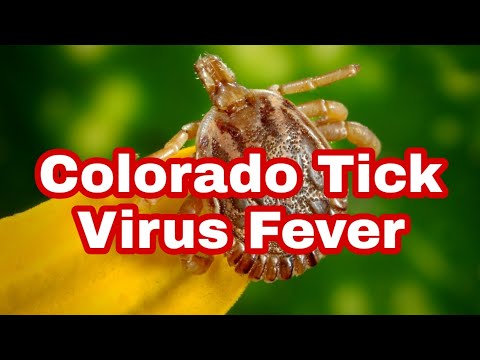
Have you ever found a tick on your skin after a hike? It’s unnerving, right? The thing is, while most ticks are harmless, some carry viruses that can lead to serious illnesses. One such illness is Colorado Tick Fever (CTF).
This viral infection can sound scary, but understanding it helps. That’s what we’re diving into here—symptoms and diagnosis of CTF. Knowing what to look for might just help you react in time if you or someone you know gets bitten.
Imagine waking up with a fever, headache, and fatigue after spending time outdoors. These symptoms could be signs of Colorado Tick Fever. But don’t panic! Recognizing these indicators early is key.
This article breaks down how doctors diagnose CTF, so if those symptoms pop up, you’ll have a clearer idea of what steps to take. Remember though; this information doesn’t replace medical advice. Always talk to a healthcare professional for personal concerns about health issues.
Effective Strategies for Managing Colorado Tick Fever Symptoms
Understanding Colorado Tick Fever
Colorado Tick Fever (CTF) is a viral illness transmitted by tick bites. It’s primarily caused by the Colorado tick fever virus, which can be found in certain areas where ticks thrive, particularly the western United States. After a tick bite, symptoms can appear within a week.
Symptoms of Colorado Tick Fever
The symptoms often resemble those of the flu. People might experience fever, chills, headache, and muscle aches. Some might also have a rash or feel really tired. It’s kind of like your body is getting hit by a truck—everything feels worse than just regular fatigue.
Managing Symptoms
While there is no specific treatment for CTF itself, managing the symptoms can make you feel better while your body fights off the virus.
- Rest: Your body needs energy to combat the illness. Taking it easy can help with recovery.
- Hydration: Drinking fluids like water and herbal teas helps prevent dehydration caused by fever.
- Pain relief: Over-the-counter medications such as ibuprofen or acetaminophen may help relieve headaches and body aches.
Nutritional Support
The food you eat matters too! Incorporating fruits and veggies into your diet provides essential vitamins that support your immune system. Look for options that are high in Vitamin C like oranges or bell peppers; they’re usually tasty and refreshing.
Mental Well-being
Your emotions play a big role in how you feel when you’re sick. It’s normal to feel down during an illness. Engaging in mild activities—like listening to music or watching funny shows—can lift your spirits a bit!
Avoiding Complications
If symptoms worsen (such as high fever persisting), it’s important to reach out for medical advice. In rare cases, more serious complications can arise from CTF; so keeping an eye on how you’re feeling is smart.
Tick Prevention Tips
You know? Prevention is always easier than dealing with the consequences later! Wearing long sleeves while hiking and using repellents that contain DEET on exposed skin can significantly reduce your chances of getting bitten by ticks. And don’t forget to check yourself after being outdoors!
Coping with Uncertainty
If you ever find yourself wondering about tick-related illnesses or any other health concerns, reaching out for advice from healthcare providers is key. They could provide personalized guidance based on individual circumstances—because every person’s situation is unique!
The good news is that most people recover well from Colorado Tick Fever without lasting effects! So hang in there—you’ve got this!
Unraveling the Mystery Behind a Hidden Threat in the Rocky Mountains
Understanding Colorado Tick Fever
Hey there! Let’s chat about Colorado Tick Fever (CTF). It’s a viral infection you might catch from a tick bite while exploring the beautiful Rocky Mountains. Honestly, ticks can be tiny but their impact can be quite significant.
What Are Ticks?
Ticks are little arachnids that feed on blood. They live in grassy and wooded areas, which means, if you’re hiking or camping, you could cross paths with them. It’s kinda like they’re waiting for your next adventure—you know?
Symptoms of Colorado Tick Fever
The symptoms usually appear 1 to 14 days after a tick bite. At first, you might feel like you’ve come down with the flu.
- Fever: Often sudden and can go pretty high.
- Headaches: Ouch! These can be pretty intense.
- Malaise: This just means feeling tired or unwell.
- Nausea: Some folks even feel sick to their stomachs.
If you’re thinking it sounds rough, it can be—but many people recover fully without needing serious medical help. It’s like catching a cold that drags on longer than you’d hope.
Diagnosis of CTF
A doctor will look at your symptoms and ask about your recent outdoor activities. Blood tests may help confirm if you’ve got CTF. It’s all about pieceing together the puzzle through history and lab results.
Treatment Options
The thing is, there’s no specific treatment for CTF; it’s mostly supportive care. That means rest, staying hydrated, and managing any fever or pain with over-the-counter medicine. It’s kinda like treating a bad cold—wait it out while taking care of yourself.
A Little Prevention Goes A Long Way
If you’re headed to the Rockies, wear protective clothing! Long sleeves and pants can really reduce your risk of getting bitten by ticks. Also consider using bug spray—it works wonders!
A Final Note
If you feel off after being outdoors in tick-friendly areas, don’t hesitate to reach out to a healthcare provider. They’re there to help untangle those strands of doubt—or confusion!
Unlocking the Secrets of a Hidden Health Risk in the Rockies
Understanding Colorado Tick Fever
Hey there! Let’s talk about something that might not be on your radar—Colorado tick fever. This disease is caused by a virus that ticks, especially the Rocky Mountain wood tick, can pass to humans. You might wonder why this is important. Well, if you’re spending time outdoors in the Rockies or similar areas, being informed is key!
What are the Symptoms?
The symptoms of Colorado tick fever often appear within a week after a tick bite. Common symptoms include:
- Fever and chills
- Headaches
- Muscle aches
- Nausea or vomiting
- A general feeling of fatigue
This can feel a lot like the flu at first which can be confusing. Sometimes, people experience marked fatigue that comes and goes. So, it’s not always easy to pin down.
How is it Diagnosed?
If you suspect you might have Colorado tick fever after spending time in areas where ticks are common, getting diagnosed quickly is important. Doctors usually rely on your history of exposure to ticks along with your symptoms.
Sometimes they might order blood tests to confirm the presence of the virus. However, since there’s no specific treatment for this virus, managing symptoms becomes crucial.
Treatment Options
You know what? There isn’t really a specific treatment for Colorado tick fever itself. Most people recover without needing special medical care. Resting and staying hydrated can help your body heal faster.
Pain relievers like ibuprofen may assist with discomfort—just make sure to follow directions or check with someone who knows about it if you’re unsure.
Avoiding Ticks
The best defense against Colorado tick fever involves prevention strategies. When trekking through grassy or wooded areas:
- Wear long sleeves and long pants.
- Tuck your pants into your socks if you can.
- Use insect repellent containing DEET.
If you find a tick on yourself after being outdoors, remove it carefully using tweezers as close to the skin as possible—and don’t forget to check other family members and pets too!
A Final Thought
. Look, while Colorado tick fever isn’t something everyone will encounter, knowing about it can really make a difference when you’re enjoying outdoor activities in those beautiful Rockies! If you have any concerns or questions regarding ticks or symptoms you’ve experienced after being outdoors—don’t hesitate to reach out to someone who knows more about health issues . Staying informed helps keep us all safe!
Understanding Colorado Tick Fever: Symptoms and Diagnosis
Colorado Tick Fever (CTF) is an interesting viral illness, you know? It’s transmitted primarily by the Rocky Mountain wood tick. This illness tends to occur mainly in the mountainous regions of Colorado but can pop up in other areas, too.
The symptoms usually show up about one week after a tick bite. Initially, a person might experience fever, chills, headache, and muscle aches. Some folks also report fatigue or loss of appetite. It’s a mix that feels similar to the flu at first glance.
What’s key here is how CTF is diagnosed. There’s no specific test for it; diagnosis relies heavily on symptoms and exposure history—basically where someone has been recently. Doctors often rule out other illnesses before making a determination.
In terms of treatment? Well, there isn’t a specific antiviral medication for CTF. The best approach is supportive care: rest, hydration, and over-the-counter medications for pain relief can really help manage those nagging symptoms.
It’s also essential to be aware of ticks to prevent bites. Wearing long sleeves and using insect repellent are simple steps that make a huge difference in avoiding this illness.
So remember, if you suspect you’ve got CTF after being outdoors in tick-prone areas: don’t hesitate to seek medical advice! Early communication with healthcare providers can help alleviate concerns and ensure proper care.