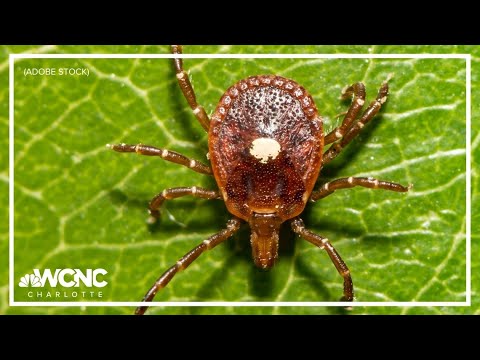
The Lone Star tick might be small, but its impact on health can be significant. Found primarily in the southeastern and eastern United States, this little creature is gaining attention for its role in spreading certain diseases. Understanding these ticks, the illnesses they can transmit, and where they thrive is crucial for anyone who enjoys the outdoors.
Imagine stepping into your favorite hiking trail only to unknowingly welcome a tiny hitchhiker onto your skin. This tick can potentially lead to health complications that extend beyond a simple bite. You may wonder: what does that mean for me and my loved ones?
The Lone Star tick is not just about being cautious while walking through long grasses or wooded areas; it’s about recognizing the symptoms of diseases like human ehrlichiosis or even alpha-gal syndrome, which can affect how you react to certain foods.
Key Information:
The information provided in this article is intended solely for general informational and educational purposes. It does not constitute medical advice, diagnosis or professional treatment, and should not be considered a substitute for consultation with a qualified doctor or other licensed healthcare professional. Any health-related decisions should be made in consultation with accredited medical professionals.
While efforts have been made to ensure the information is accurate and up to date, no guarantees are given—either express or implied—regarding its accuracy, completeness, currency or suitability. Use of this information is at your own discretion.
It is strongly recommended to consult official sources such as the NHS (National Health Service) or other recognised medical institutions before acting on any information contained on this website or article. Under no circumstances should professional medical advice be ignored or delayed due to content read here.
This content is of a general and informational nature only. It is not intended to replace individualised guidance from a healthcare professional or to establish any doctor-patient relationship. The publication of this information does not imply any professional responsibility, guarantee or obligation on the part of the author or this site.
However, awareness doesn’t stop at understanding symptoms. It’s essential to dive deeper into credible sources from health specialists and trusted media outlets. The world of ticks and their associated risks can be complicated. Engaging with reliable information ensures you’re prepared without becoming anxious. Always remember: knowledge empowers you in making informed choices for your well-being!
Uncovering the Signs of a Hidden Threat in Your Backyard
In your backyard, a hidden threat might be lurking—a tiny creature known as the Lone Star tick. This tick has gained attention recently, and for good reason. It can carry some serious diseases that may affect your health.
Lone Star ticks are commonly found in the southeastern and eastern United States. They thrive in wooded or grassy areas where they can easily latch onto animals and humans. Understanding their habitat is crucial for avoiding bites.
Key Diseases:
The Lone Star tick is known to transmit several illnesses, including:
It’s essential to recognize the symptoms of these diseases early. For instance, Ehrlichiosis can cause fever, chills, and body aches within a week of being bitten. STARI may present with a rash similar to Lyme disease.
When you’re outdoors, keep an eye out for ticks on yourself and pets. After spending time in nature, do a thorough check—especially in areas like your armpits, groin, and behind the knees.
Tips for Tick Prevention:
If you find a tick on yourself or your pet, remove it promptly with tweezers. Grasp it close to the skin’s surface and pull straight out without twisting.
Stay informed! Learn about local tick activity during different seasons. Ticks tend to be most active in warmer months.
Remember that not all ticks carry diseases, but it’s wise to act cautiously. Knowledge is your best defense against these hidden threats in your yard.
If you notice any unusual symptoms after being bitten by a tick, reach out for medical guidance. Taking action quickly may help prevent more severe health issues down the road.
Discovering the Habitat of the Lone Star Tick
The Lone Star Tick is gaining attention for its ability to spread diseases. Understanding its habitat is key to protecting yourself from tick bites and associated illnesses.
These ticks are commonly found in the southeastern and eastern United States. They thrive in forests, grasslands, and even suburban areas. Think of them as tiny hitchhikers waiting for a warm-blooded host to pass by.
Here are some common habitats of the Lone Star Tick:
Lone Star Ticks prefer humid environments. They tend to be most active during warmer months when humidity levels rise.
You might bump into them when hiking or walking your dog in these habitats. Staying on trails can help minimize contact with ticks.
These ticks are attracted to body heat and carbon dioxide. When you walk through their territory, they can latch onto clothing or skin.
Prevention is crucial. Wearing light-colored clothing can help spot ticks more easily. Additionally, using insect repellent with DEET is often recommended.
If you find a tick on your body, it’s important to remove it properly. Use fine-tipped tweezers and grasp the tick as close to the skin’s surface as possible.
Remember, not all ticks carry diseases, but being aware helps keep you safe. Keeping an eye on your surroundings will go a long way in preventing encounters with Lone Star Ticks.
Stay informed about local tick populations, especially during warm months. Knowledge is a powerful tool for your health!
Understanding the Hidden Signs of Lone Star Tick Bites
Lone Star ticks are becoming more common in certain regions of the United States. They can carry diseases that may not show immediate symptoms. Understanding the hidden signs of their bites is crucial for your health.
When a Lone Star tick bites, you might not feel it right away. They have a special saliva that numbs the area. This can make it hard to notice you’ve been bitten until later.
One of the most concerning signs after a bite is an unusual rash that looks like a red spot or bulls-eye shape. This could indicate Lyme disease, which some Lone Star ticks can transmit.
Other symptoms might include fatigue, fever, or muscle aches. If you start feeling unusually tired or achy after spending time outdoors, pay attention to any tick bites you might have had.
In some cases, people develop an allergy to red meat after being bitten by a Lone Star tick. This is known as Alpha-gal syndrome. If you find yourself feeling sick after eating beef or pork for no apparent reason, consider this link.
Always remember to check your body for ticks after being in wooded areas or tall grass. It’s also smart to wear light-colored clothing and use repellent on exposed skin.
If you suspect you’ve been bitten by a Lone Star tick and feel unwell afterward, it’s wise to seek medical advice. Early diagnosis can help manage any potential complications effectively.
Being aware and informed will help you make safe decisions about your health while enjoying outdoor activities. Always take preventive measures when you’re in areas where ticks are prevalent, and stay alert for any unusual signs afterward!
Lone Star ticks are gaining attention due to their link to several diseases that can affect human health. Recognizing the symptoms and understanding where these ticks thrive is essential for prevention and awareness.
Key Diseases: The Lone Star tick is known to transmit diseases like ehrlichiosis, tularemia, and even Alpha-gal syndrome. The latter causes an allergy to red meat, which can significantly impact diets.
Symptoms: Symptoms of infections can vary but generally include fever, chills, fatigue, headaches, and rash. Alpha-gal syndrome may present as hives or gastrointestinal issues after consuming red meat.
Habitat: These ticks are commonly found in wooded or brushy areas across the southeastern and eastern United States. Their presence often correlates with warmer months when outdoor activities increase.
Understanding the Lone Star tick is crucial as awareness fosters proactive health measures. Taking precautions such as using repellents, wearing suitable clothing, and performing tick checks after outdoor activities can reduce the risk of tick-borne illnesses. Staying informed enhances our ability to make safer choices in our environments.