The information provided in this article is intended solely for general informational and educational purposes. It does not constitute medical advice, diagnosis or professional treatment, and should not be considered a substitute for consultation with a qualified doctor or other licensed healthcare professional. Any health-related decisions should be made in consultation with accredited medical professionals.
While efforts have been made to ensure the information is accurate and up to date, no guarantees are given—either express or implied—regarding its accuracy, completeness, currency or suitability. Use of this information is at your own discretion.
It is strongly recommended to consult official sources such as the NHS (National Health Service) or other recognised medical institutions before acting on any information contained on this website or article. Under no circumstances should professional medical advice be ignored or delayed due to content read here.
This content is of a general and informational nature only. It is not intended to replace individualised guidance from a healthcare professional or to establish any doctor-patient relationship. The publication of this information does not imply any professional responsibility, guarantee or obligation on the part of the author or this site.
Have you ever wondered why some doctors choose a CT scan over an MRI, or vice versa? It’s like deciding between two different tools for the job. Both can give us important pictures of what’s happening inside our bodies, but they do it in different ways.
Look, understanding these differences isn’t just a matter of curiosity. It can swing how your health journey progresses. For instance, if you’re dealing with pain or confusion about a diagnosis, knowing which scan might offer clearer insights could be crucial.
This article dives into the key differences between CT scans and MRIs. We’ll explore what each one is best at and when you might need one over the other. It’s not a simple choice, and thing is, making informed decisions about your health matters so much.
Remember, though—this isn’t meant to replace professional medical advice. Always chat with your healthcare provider so that you can make the most informed choices for your unique situation.
Decoding the Best Imaging Choice for Understanding Your Brain Health
Understanding Imaging Techniques for Brain Health
When it comes to understanding brain health, imaging techniques are crucial. Two of the most common methods you’ll hear about are CT scans and MRIs. They each have their unique advantages and can be used for different reasons.
What is a CT Scan?
A CT scan, orComputed Tomography scan, uses X-rays to create detailed images of your body, including the brain. Think of it like slicing a loaf of bread: the scanner takes multiple pictures from different angles. Then, these images are combined into cross-sectional views.
CT scans are often quick and effective for diagnosing things like bleeding or tumors in emergency situations. They’re especially useful when time is of the essence.
What is an MRI?
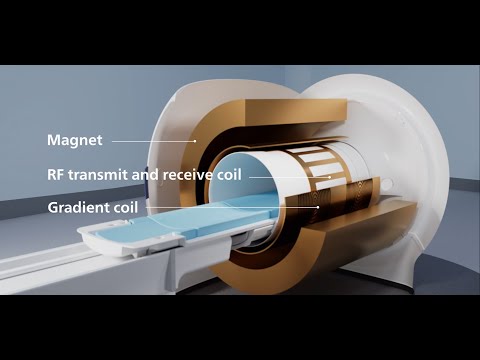
An MRI, which stands for Magnetic Resonance Imaging, uses powerful magnets and radio waves instead of X-rays. Imagine taking a picture with a camera that sees inside your body—it’s more detailed in terms of soft tissues.
This makes MRIs particularly good at spotting issues with brain structure or conditions such as multiple sclerosis or brain tumors. However, they take longer than CT scans so you might spend about 30 minutes lying still inside a tube-shaped machine!
Key Differences
- Speed: CT scans are faster; they can be done in minutes while MRIs take longer.
- Type of Details: MRIs provide better detail on soft tissues while CTs focus more on bones and bleeding.
- X-ray Exposure: A CT scan involves exposure to radiation while MRIs do not have this risk.
When to Use Which?
If you’re having sudden headaches or symptoms suggestive of a stroke, doctors might choose a CT scan first due to its speed. On the other hand, if there are concerns about soft tissue abnormalities or chronic conditions—like migraines—an MRI could be more appropriate.
The Bigger Picture
Your medical team will consider various factors when deciding between these two imaging types. Age, medical history, and current symptoms all play roles in this decision-making process. It’s always good to ask questions about why one method is recommended over another so you feel informed!
Misperceptions Around Imaging
A common myth is that one imaging technique is universally “better.” Truth is; it depends on what you’re looking for. It’s also normal to feel nervous about undergoing either test—just remember they’re tools designed for better understanding your health.
Your Role in Brain Health Decisions
Eagerly learning about these imaging options can empower you when discussing your health with professionals. Always feel free to voice any concerns! After all, understanding more about how we explore our brain’s health helps us make informed decisions together.
Unveiling the Best Imaging Tool for Cancer Diagnosis
Understanding Imaging Tools for Cancer Diagnosis
When it comes to diagnosing cancer, two common imaging tools are CT scans and MRIs. Both have their unique strengths and weaknesses. It’s worth looking into how they differ so you can make an informed decision.
What is a CT Scan?
A CT scan, or computed tomography scan, combines X-ray images taken from different angles and uses computer processing to create cross-sectional images of bones, blood vessels, and soft tissues inside the body. Imagine slicing a loaf of bread; a CT scan gives you a look at all those slices in detail.
What About MRI?
An MRI, or magnetic resonance imaging, uses powerful magnets and radio waves to create detailed images of organs and tissues. Think of it like taking a very high-definition photograph—except instead of light, it’s using magnets. This method is particularly useful for soft tissue evaluations.
Key Differences
- Radiation: CT scans use ionizing radiation while MRIs do not. Some people might worry about exposure to radiation during scans.
- Speed: A typical CT scan takes just a few minutes. An MRI can take anywhere from 15 to 90 minutes, depending on what’s being examined.
- Tissue Detail: MRIs are generally better at showing soft tissues like the brain or muscles in detail compared to CT scans.
- Bones vs Soft Tissues: If you need to look more closely at your bones or detect certain types of cancers quickly, CT may be useful where as an MRI would shine when looking at brain tumors or other soft tissue abnormalities.
Your Health Decisions Matter
The choice between a CT scan and an MRI often depends on the type of cancer suspected and where it’s located in the body. For instance, something like lung cancer may be assessed more effectively with a CT scan because it gives clear views of the lungs whereas breast cancer often requires an MRI for better imaging detail.
The Comfort Factor
If you ever feel anxious about these procedures—you’re not alone! MRIs usually require you to lie still in a narrow tube-like machine which can feel claustrophobic for some. On the other hand, many find CTs more comfortable due to their shorter duration. It’s always good to communicate any concerns with your healthcare provider so they can assist with comfort options.
The Bottom Line
No single imaging tool is perfect for every situation. Each has its own advantages that can aid in accurate diagnosis and treatment planning.If you’re facing this decision yourself—or helping someone who is—taking time to understand these differences makes total sense! Each person’s situation is unique; it’s important to chat with healthcare professionals about what’s best for individual needs.
Decoding Your Diagnostic Options: A Closer Look at CT Scans and MRIs
Understanding CT Scans and MRIs
Hey, so let’s talk about CT scans and MRIs. Both are imaging tools used to help doctors understand what’s going on inside your body. But they work quite differently, which is important to know when you’re faced with a decision.
What is a CT Scan?
A CT scan, or computed tomography scan, uses X-rays together with computer technology. Picture it like slicing a loaf of bread; each slice gives you a view of a different part of the loaf. Similarly, the CT scan creates multiple images or slices of your body from different angles.
CT scans are great for visualizing bones, organs, and blood vessels quickly. They can show internal injuries or bleeding very well. Think of them as quick snapshots that give a broad view in emergencies.
What is an MRI?
An MRI, short for magnetic resonance imaging, uses strong magnets and radio waves instead of X-rays. Imagine how you use magnets on your fridge; an MRI works by aligning atoms in your body and then creating detailed images as they return to their original position.
This method shines when it comes to soft tissues—like the brain, nerves, muscles, and cartilage—providing more detailed pictures than a CT scan in those areas.
Key Differences
- Radiation: A key difference is that CT scans expose you to ionizing radiation while MRIs do not. So if you’re concerned about radiation exposure, that’s something to consider.
- Speed: Generally speaking, CT scans are faster—often taking just minutes! MRIs can take longer due to their complex nature; sometimes up to an hour or more!
- Noisy vs Quiet: MRIs can be noisy because of the magnets at work; some people find this discomforting. In contrast, CT scans are silent during operation.
- Cost: MRIs tend to be pricier compared to CT scans. If budget matters in healthcare decisions for you or your family, this could play a role.
The Decision Process
You might wonder why one would be chosen over the other? Ultimately it often depends on what exactly needs examining. For instance: if there’s trauma involved like a car accident that might have caused broken bones—doctors may lean towards a CT scan first for its speed and efficiency in detecting fractures.
If there’s concern about soft tissue issues—like possible tumors—it might make more sense to go with an MRI because it’s better at picking up those subtleties.
Your Role in Health Decisions
Don’t hesitate to ask questions! It’s totally ok if you’re unsure about which option seems best for your situation. Sometimes it’s even worth getting more than one opinion from different healthcare providers before making any final decisions.
This way you feel informed rather than rushed into anything. Remember: understanding these differences equips you better for conversations about your health & wellbeing!
CT Scan vs. MRI: Key Differences for Better Health Decisions
When it comes to imaging technologies, both CT scans and MRIs are invaluable tools in modern medicine. However, they serve different purposes and come with unique advantages.
A CT scan uses X-rays to create detailed images of the body. Think of it like slicing a loaf of bread—you get many cross-sections of your organs. It’s fast, often taking just a few minutes, making it great for emergencies. For instance, if you have a suspected injury or internal bleeding, a CT scan can quickly provide vital information.
On the other hand, an MRI uses strong magnets and radio waves to create images. Imagine you’re picking up a really detailed painting—this is what an MRI does for soft tissues like muscles and the brain. It takes longer—usually 30 minutes or more—but gives you incredible detail about these tissues.
Key Differences
- Speed: CT scans are quicker than MRIs.
- Radiation: CTs use radiation; MRIs do not.
- Tissue Details: MRIs excel in soft tissue imaging while CTs are better for bone injuries or detecting tumors.
The choice between the two often depends on what your doctor suspects is going on in your body. They’ll consider factors like urgency, specific symptoms, and overall health when recommending one over the other.
You might wonder about costs or availability; these can vary widely based on location and healthcare systems. Always discuss any concerns with your healthcare provider to make informed decisions tailored to your health needs.
No matter which method is chosen, both imaging techniques play critical roles in diagnosing conditions accurately and efficiently. Understanding the differences helps empower you in discussions about your health care options.